


Last Updated: November 19, 2026
Quick Summary
Managing dog arthritis pain takes a daily plan, not just a pill: combine vet-prescribed pain relief, joint support, weight control and gentle daily movement. Small habits like non-slip floors, orthopaedic beds and short leash walks protect muscle and keep your dog mobile longer.
- Dogs often show arthritis through stiffness after rest, slower rising and shorter walks rather than yelping.
- NSAIDs are prescription-only and dose is calculated by body weight, so never give human ibuprofen or aspirin.
- PrimeVet Joint Care Paste 60ml costs $59.95 and the 150g powder costs $79.95.
- Short, gentle, consistent exercise beats long hard sessions, and pushing through a limp usually causes a flare.
- Match beds and ramps to your dog's size and build, since a small breed setup differs from a giant breed's.
Table of Contents
- Why Dog Arthritis Pain Needs a Daily Plan, Not Just a Pill
- Signs Your Dog Is in Pain and When to Get a Veterinary Diagnosis
- Dog Arthritis Treatment: What Your Vet Can Offer and What It Costs
- Joint Supplements for Dogs: What the Ingredients Actually Do
- Exercises for Dogs with Arthritis That Build Strength Without Flare-Ups
- Home Care for Dogs with Arthritis: Floors, Beds, Ramps and Routine
- Keeping an Immobile Dog Mentally Stimulated and Comfortable
- Choosing the Right Joint Support for Your Dog
- Frequently Asked Questions
Why Dog Arthritis Pain Needs a Daily Plan, Not Just a Pill
Managing dog arthritis pain is not a once-a-day tablet and forget. It is a daily routine of small decisions about movement, weight, comfort and nutrition.
Arthritis in dogs is a chronic condition. The cartilage inside the joint wears down over time, and the joint lining becomes inflamed.
A pill can ease a flare. It cannot rebuild the joint, protect muscle, or stop stiffness setting in after a long sleep.
Signs Your Dog Is in Pain and When to Get a Veterinary Diagnosis
Dogs hide pain well. The first sign is often a change in habit, not a yelp.
Watch for these clues:
- Stiffness after rest, especially in the morning
- Slower to rise, or hesitant on stairs
- Shorter walks, or lagging behind
Any of these warrants a vet visit. Early diagnosis gives you more options.
Early Detection Markers in Young Dogs and Puppies
Arthritis is not only an old-dog problem. Some young dogs show early signs tied to breed, body shape or old injuries.
Look for subtle markers:
- A pup that tires faster than littermates
- Slight limping after play that fades with rest
- Reluctance to bear weight on one leg
Catching these early lets you start weight control and low-impact activity before damage deepens. A vet can confirm with a physical exam, gait analysis and, if needed, imaging.
Dog Arthritis Treatment: What Your Vet Can Offer and What It Costs
Dog arthritis treatment usually combines pain relief, joint support and lifestyle change. Your vet decides the mix, and the mix changes as the disease progresses. What follows is a plain-language map of the options so you can ask better questions at the consult.
Pain relief
- NSAIDs (non-steroidal anti-inflammatory drugs) are the mainstay for most dogs. They reduce joint inflammation and pain. They are prescription-only, and the dose is calculated by body weight. Never give a human NSAID such as ibuprofen or aspirin unless your vet specifically directs it, because the margin of safety in dogs is narrow.
- Adjunctive analgesics are added when NSAIDs alone do not control pain. These include drugs that act on nerve pain or on different pain pathways. They are used under veterinary direction, often in combination, and the combination is tailored to the individual dog.
- Monoclonal antibody injections target nerve growth factor and are given as a course of injections by a vet. They suit some dogs and not others, and availability and suitability are a conversation for your vet.
Non-drug treatment
- Therapeutic diets formulated for joint health, often with added omega-3s and controlled calories, are a core part of long-term management.
- Physical rehabilitation includes hydrotherapy on an underwater treadmill or in a warm pool, therapeutic exercise, and manual therapy. It is guided by a rehab vet or qualified canine physiotherapist.
- Weight control is itself a treatment. Carrying less weight reduces load through every sore joint.
What it costs
Costs vary widely with the clinic, the drug, the dog's size and the monitoring schedule. Rather than quote a single figure, budget in categories:
- Consult and diagnosis: an initial exam, plus imaging or blood work if needed.
- Ongoing medication: a monthly cost that scales with body weight, so a large dog costs more than a small one for the same drug.
- Monitoring blood work: build this in from the start, because long-term medication means periodic testing.
- Rehab sessions: hydrotherapy and physiotherapy are usually charged per session, and a course is typically several sessions.
Ask your vet for a written estimate before starting a long-term plan, and check what is covered if you hold pet insurance. Ask your vet which combination of pain relief, joint support and weight management suits your dog's situation.
Watch out: stopping NSAIDs abruptly or mixing them with other anti-inflammatories without veterinary advice can cause serious harm, so any change to the medication plan goes through your vet.
Joint Supplements for Dogs: What the Ingredients Actually Do
Joint supplements for dogs are a supporting part of a wider plan. Discuss them with your vet alongside your dog's treatment.
Here is what the common ingredients do:
- Glucosamine and chondroitin are building blocks linked to cartilage repair and synovial fluid
- Omega-3 fatty acids from fish oil support the body's anti-inflammatory response
- MSM is a sulphur compound used for joint comfort
- Collagen supports cartilage structure and joint health
For a deeper look at which natural ingredients are worth choosing, see our guide to the best natural supplements for dog joints. If collagen specifically interests you, our practical guide to collagen for dog mobility covers how it fits a daily plan.
Dosage by Dog Size and What to Watch For
Dosage depends on the product and the dog's weight. Always follow the label, and ask your vet if your dog is on medication.
A small dog needs far less than a large one. Overdoing glucosamine is not a shortcut.
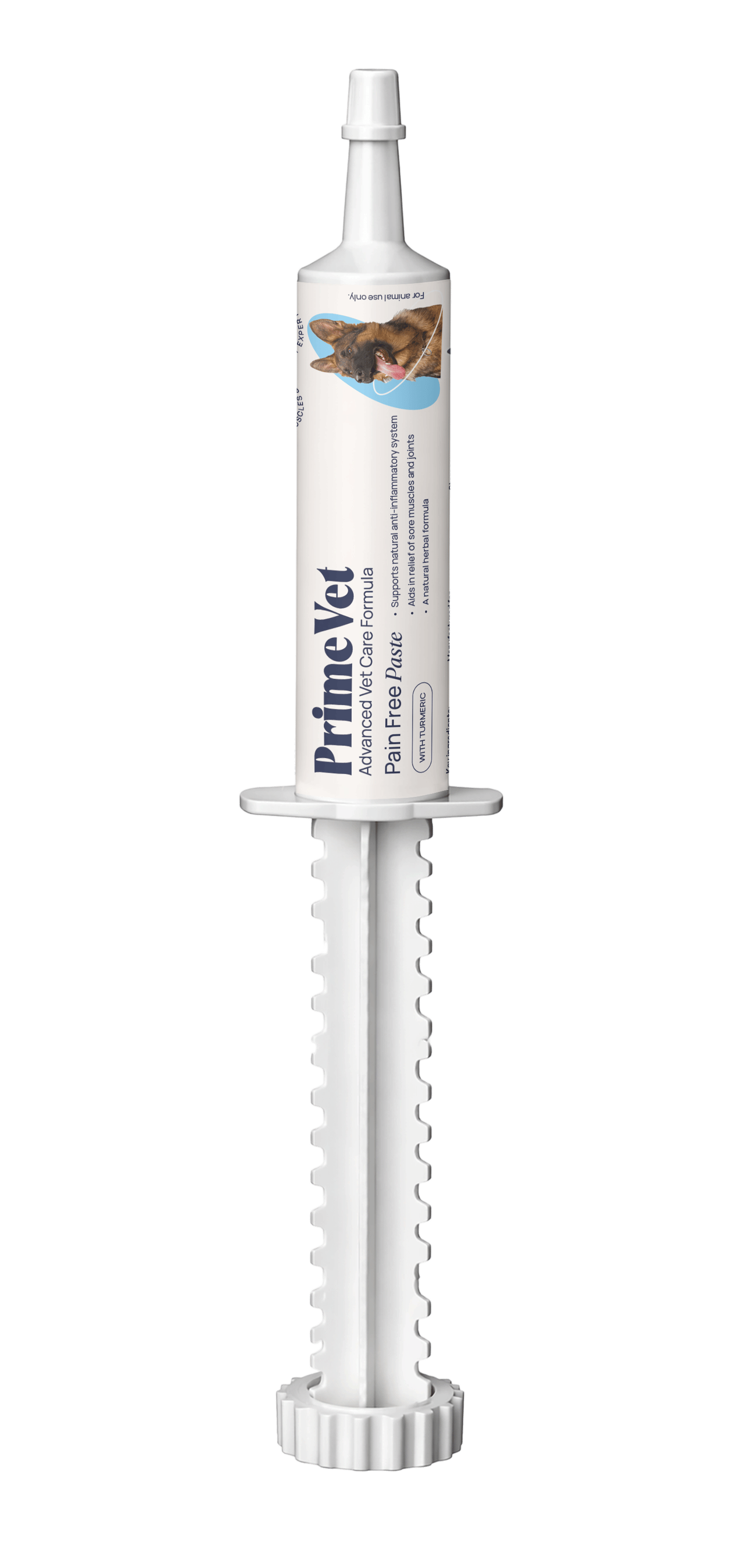
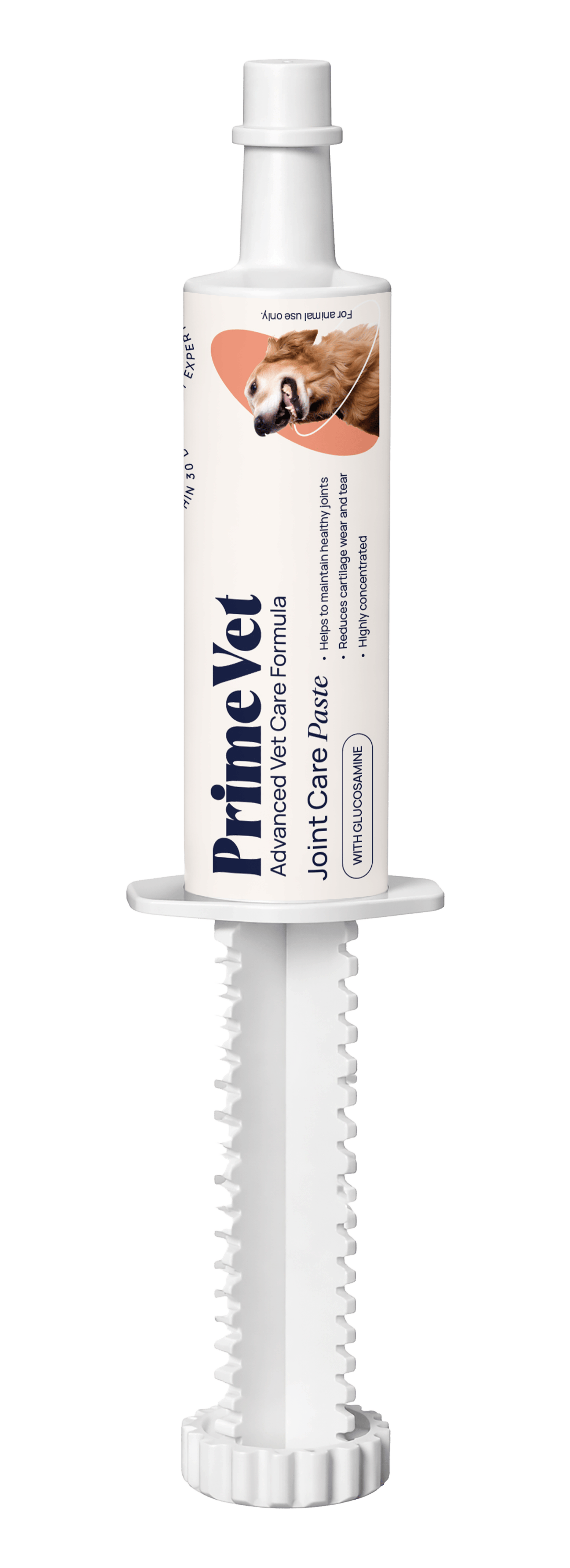
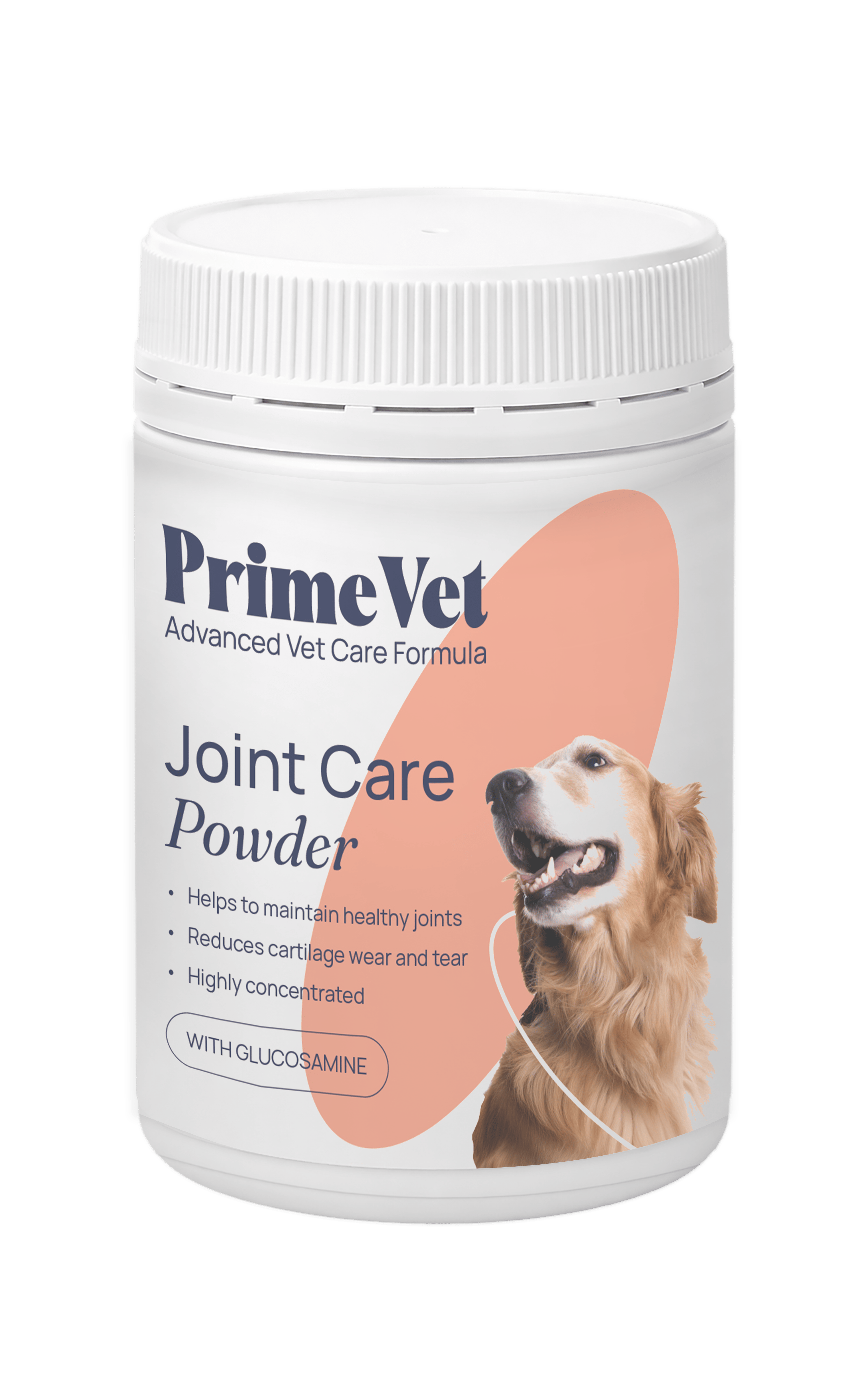
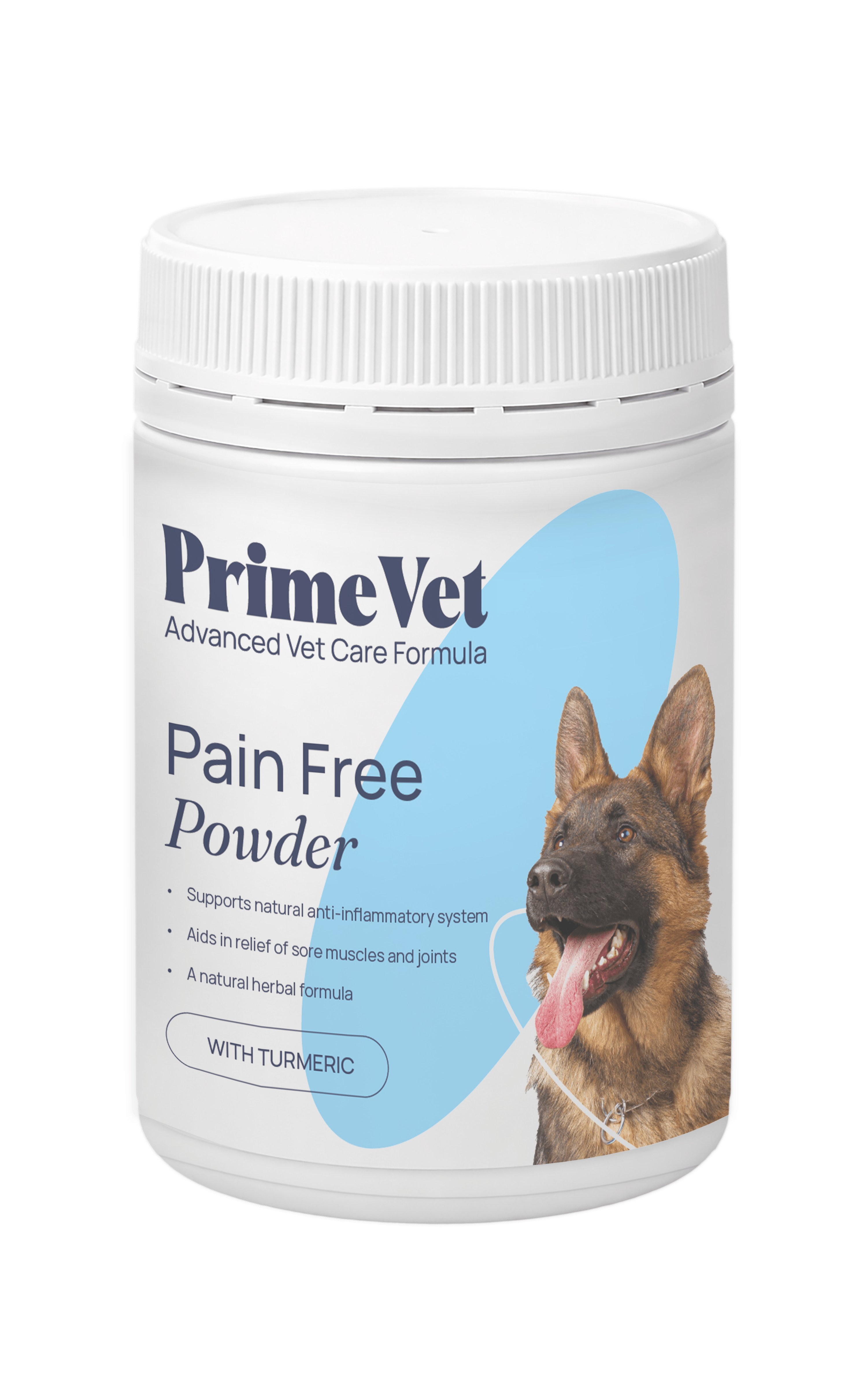
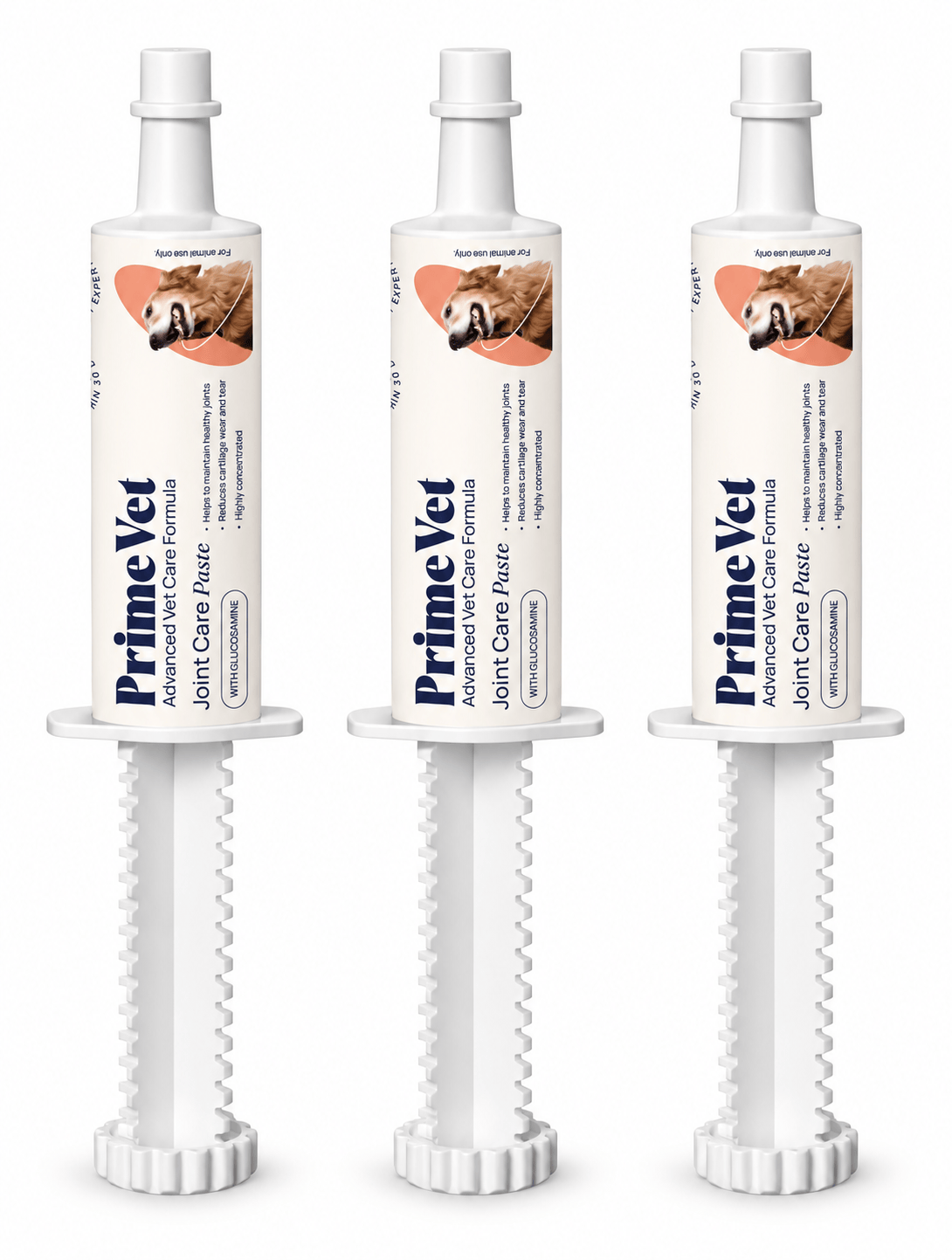
PrimeVet™ Joint Care Paste for Dogs 60ml ($59.95) and Joint Care Powder 150g ($79.95) both list glucosamine at 553.2g/kg, with chondroitin, MSM, hyaluronic acid and collagen.
Exercises for Dogs with Arthritis That Build Strength Without Flare-Ups
Exercises for dogs with arthritis should build muscle without triggering a flare. Short, gentle and consistent beats long and hard.
Try these:
- Leash walks on soft ground, starting short and building slowly
- Controlled stair work only if your vet approves
- Weight shifts by gently rocking your dog side to side
- Sit-to-stand repetitions for hind-leg strength
- Hydrotherapy in a warm pool, guided by a rehab vet
Stop if your dog stiffens or lags. A day of rest after a good session is fine. Watch out: pushing through a limp "to build it up" usually causes a flare that sets you back weeks.
Home Care for Dogs with Arthritis: Floors, Beds, Ramps and Routine
Home care for dogs with arthritis is about removing daily strain. Slippery floors, cold beds and high jumps all add load to sore joints. Most articles stop at a generic checklist.
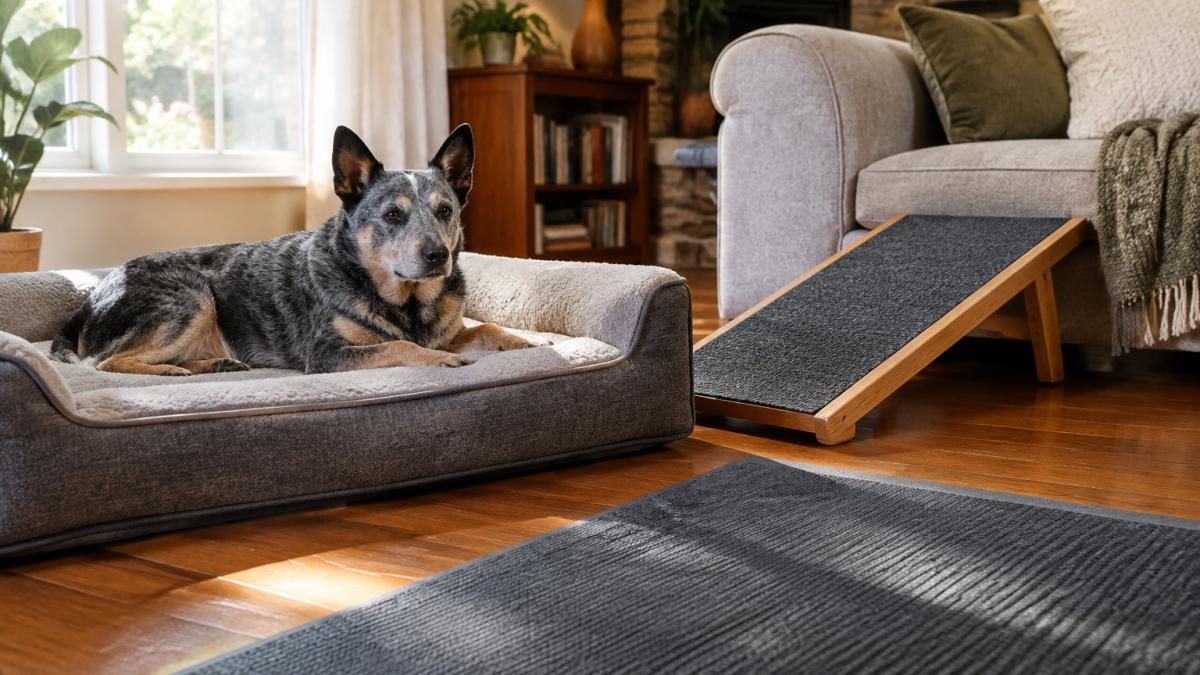
Start with the floor
Slippery timber and tile are the single biggest hidden strain in most homes. A dog that scrabbles for grip tenses every muscle around the sore joint. Non-slip matting, runners along main walkways and a mat at the food bowl and doorway make an immediate difference. For a large dog, use wider runners and secure them at the edges so they do not slide under a heavy paw.
Match the bed to the body
- Small breeds: a low, close-to-floor bed the dog can step into without a hop, with a washable cover.
- Medium dogs: a firm orthopaedic bed that supports the body without sinking, placed away from draughts.
- Large and giant breeds: a heavy-duty orthopaedic bed rated for the dog's weight, with a low lip so the dog does not have to climb in. A bed that compresses to the floor defeats the purpose.
- Long-backed breeds: a flat, supportive surface that keeps the spine level, and avoid beds that encourage curling into a tight ball.
Ramps and steps, sized properly
- Small breeds and long-backed dogs: short, low-angle ramps or a single wide step. A steep ramp is worse than no ramp because it loads the joints on the way down.
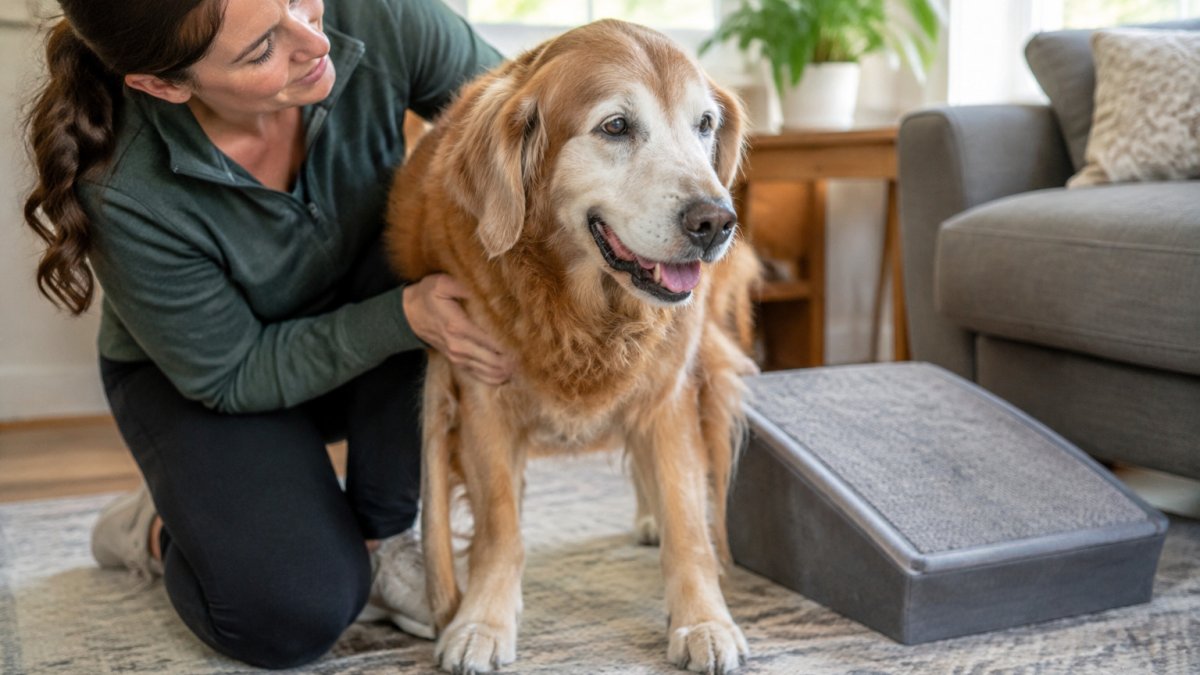
- Medium dogs: a standard ramp to the couch and car, with a non-slip surface and side rails.
- Large and giant breeds: a wide, heavy-duty ramp rated for the dog's weight, with a shallow angle and a stable base. A flimsy ramp that flexes under a heavy dog is a fall risk.
- Car access: a ramp is usually kinder than lifting a large dog, but if you must lift, support the chest and hindquarters together rather than pulling on the front legs.
Bowls, routes and routine
Raise food and water bowls slightly so the dog does not have to drop the neck and load the front joints.
Watch out: a ramp or step that is the wrong angle for your dog's leg length can increase strain rather than reduce it, so test the setup and watch how the dog uses it before relying on it.
Match each home fix to your dog's size and build, because the right bed or ramp for a small breed is not the right one for a giant breed.
| Dog type | Bed | Ramp or steps |
|---|---|---|
| Small breeds | Low bed the dog can step into, washable cover | Short, low-angle ramp or single wide step |
| Medium dogs | Firm orthopaedic bed that does not sink | Standard ramp with non-slip surface and side rails |
| Large and giant breeds | Heavy-duty orthopaedic bed rated for weight, low lip | Wide, heavy-duty ramp rated for weight, shallow angle |
| Long-backed breeds | Flat, supportive surface that keeps spine level | Short, low-angle ramp or single wide step |
Keeping an Immobile Dog Mentally Stimulated and Comfortable
A dog that cannot move much still needs a working mind. Boredom makes pain feel worse.
Try these:
- Snuffle mats and scatter feeding
- Puzzle toys with soft food
- Short scent games around the room
- Gentle grooming as bonding time
Browse our Dog Comfort & Mobility Support range for PrimeVet™ products.
Choosing the Right Joint Support for Your Dog
Choosing joint support comes down to three things: what your dog needs, what the ingredients do, and how you will give it daily.
Our PrimeVet™ dog joint supplements are formulated by Professor David Evans BVSc PhD and veterinary nutritionists.
If you are building a long-term plan for an older dog, our complete guide to joint support for aging dogs walks through it step by step.
Arthritis will change how your dog moves. It does not have to change how they live.
Frequently Asked Questions
What can I give my dog for arthritis pain?
Prescription options such as NSAIDs and analgesics come from your vet after a diagnosis. Alongside those, joint supplements for dogs containing glucosamine, chondroitin, MSM and omega-3 fatty acids support cartilage and joint lubrication over time. PrimeVet™ Joint Care Powder, $79.95 for a 150g jar, lists glucosamine at 553.2g/kg plus MSM, chondroitin, hyaluronic acid and collagen. Always confirm the dose with your vet, particularly if your dog is already on medication.
What exercise is best for a dog with arthritis?
Short, frequent, low-impact sessions beat one long walk. Two or three 10 to 15 minute walks on soft, level ground, plus daily range-of-motion stretches, keep muscles working without loading sore joints. Hydrotherapy and physiotherapy-led rehabilitation are worth asking your vet about for dogs with significant stiffness or lameness. Warm up slowly, avoid stairs and ball chasing, and stop if you see limping or reluctance to move.
How do I know if my dog's arthritis is getting worse?
Watch for changes in gait and daily habits rather than waiting for obvious limping. A dog that hesitates at stairs, shifts weight off one leg, sleeps more, or becomes irritable when touched is telling you the pain has increased. Your vet can track body condition score and joint range of motion at each visit. Keep a simple log of walks, stiffness and appetite so you can show patterns rather than guess.
Can home changes really make a difference for an arthritic dog?
Yes. Slippery floors are one of the most common reasons an arthritic dog stops moving around the house. Non-slip runners, a firm orthopaedic bed, ramps instead of stairs and raised food bowls reduce the daily effort of getting around. For larger or heavier breeds, a support harness for hindquarters helps with toileting and car trips.




Leave a comment
All comments are moderated before being published.
This site is protected by hCaptcha and the hCaptcha Privacy Policy and Terms of Service apply.