

Table of Contents
- Understanding Joint Health and Mobility in Senior Dogs
- Signs of Arthritis in Older Dogs
- How Joint Supplements for Senior Dogs Support Cartilage and Comfort
- Exercise for Dogs with Arthritis: Building a Mobility Plan
- Home Modifications for Dogs with Arthritis
- Safe Dosing, Interactions, and When to Consult Your Veterinarian
- Building a Complete Joint Support Routine for Your Aging Dog
- Frequently Asked Questions
Last Updated: October 11, 2026
Understanding Joint Health and Mobility in Senior Dogs
As your dog ages, maintaining joint support for aging dogs becomes crucial. Senior dogs experience natural changes in cartilage, joints, and connective tissues that significantly impact mobility and quality of life.
Aging dogs lose cartilage elasticity, synovial fluid production decreases, and inflammation develops in joints, affecting everything from stair climbing to play.
Joint health maintains independence and vitality: dogs that move freely stay mentally engaged, maintain muscle tone, and experience better wellbeing.
Signs of Arthritis in Older Dogs
Early indicators include hesitation before jumping, slower standing after rest, or morning stiffness. Early intervention makes a real difference, but diagnosis is essential.
Common Symptoms That Suggest Joint Problems
Common warning signs include limping after exercise, reluctance to climb stairs, difficulty rising, reduced enthusiasm for walks or play, bunny-hop gait, or favouring one leg.
Swelling, heat, clicking sounds, stiffness in cold weather, licking or chewing at joints, reluctance to bear weight, or yelping when touched may signal joint discomfort.
When to Consult Your Veterinarian: Diagnosis Matters
Not every sign of stiffness is arthritis. Lameness, swelling, or persistent reluctance to move can indicate ligament injuries, fractures, neurological conditions, or infections requiring different treatment. Starting supplements without ruling out these conditions may delay proper care.
You should schedule a veterinary appointment if your dog shows:
- Sudden onset of limping or lameness (within days)
- Swelling, heat, or visible deformity around a joint
- Reluctance to bear weight on a limb
- Yelping or signs of pain when touched or moved
- Loss of mobility that worsens rapidly over weeks
- Difficulty urinating, defecating, or controlling bladder (may indicate spinal involvement)
- Fever or lethargy alongside joint symptoms
What a Veterinary Joint Assessment Involves
Your veterinarian will perform a physical examination, palpating joints to assess range of motion, pain response, and swelling, and observe gait and posture to identify affected areas.
If arthritis is suspected, your vet may recommend radiographs to visualise joint damage and establish a baseline for monitoring progression. Blood work may rule out systemic conditions like Lyme disease or immune-mediated arthritis.
Once diagnosed, your veterinarian can recommend a tailored treatment plan including prescription pain relief, joint supplements, weight management, or physiotherapy. Supplements are most effective when integrated into a veterinary-guided plan.

How Joint Supplements for Senior Dogs Support Cartilage and Comfort
Joint supplements provide building blocks your dog's body needs to maintain and repair cartilage, directly addressing the root cause of mobility loss.
Key Ingredients: Glucosamine, Chondroitin, and Beyond
Glucosamine helps maintain cartilage structure and stimulates synovial fluid production. Chondroitin helps cartilage retain water and resist compression, reducing wear and tear.
Effective formulas also include MSM (which supports collagen and reduces inflammation), hyaluronic acid (shock absorption), collagen (structural support), and amino acids like L-arginine and L-glycine.
Research on joint supplement ingredients demonstrates that these components work synergistically. A formula combining multiple ingredients typically outperforms single-ingredient supplements because they address different aspects of joint health simultaneously.
Evidence Quality and Ingredient Effectiveness
Not all joint supplements are equal. The difference lies in ingredient concentration and quality. A supplement listing glucosamine as the fifth ingredient delivers far less benefit than one where it's primary.
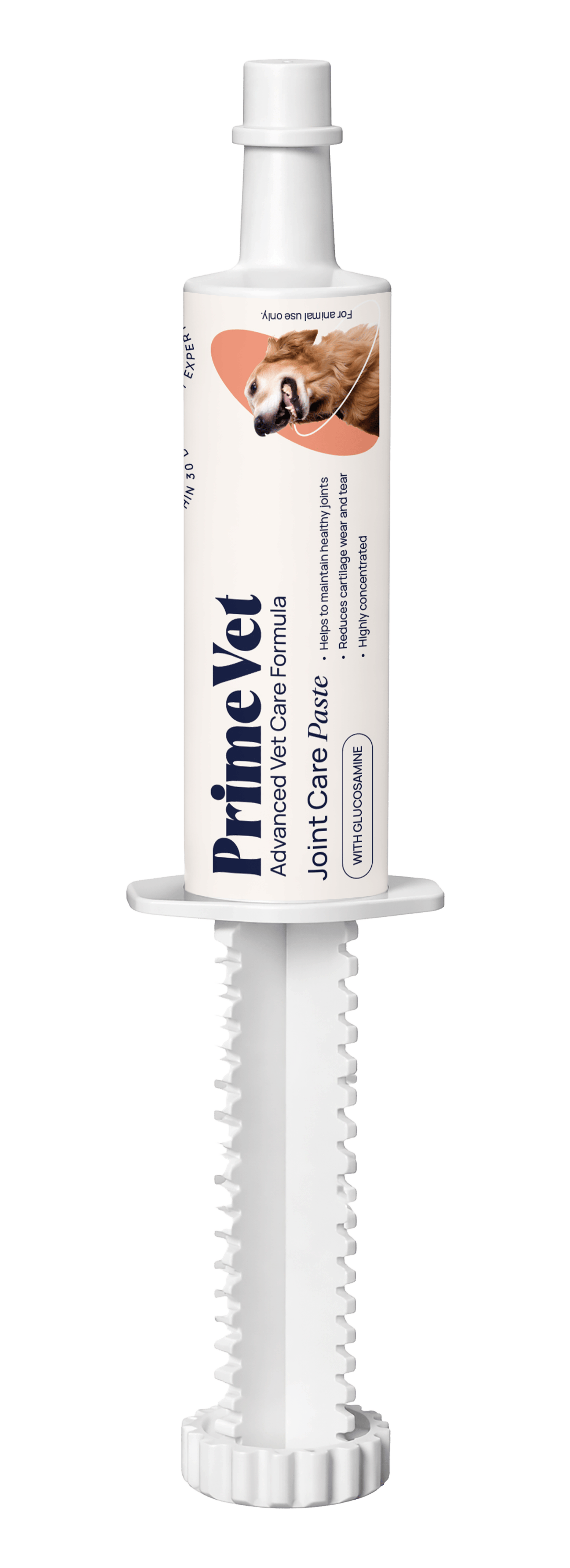
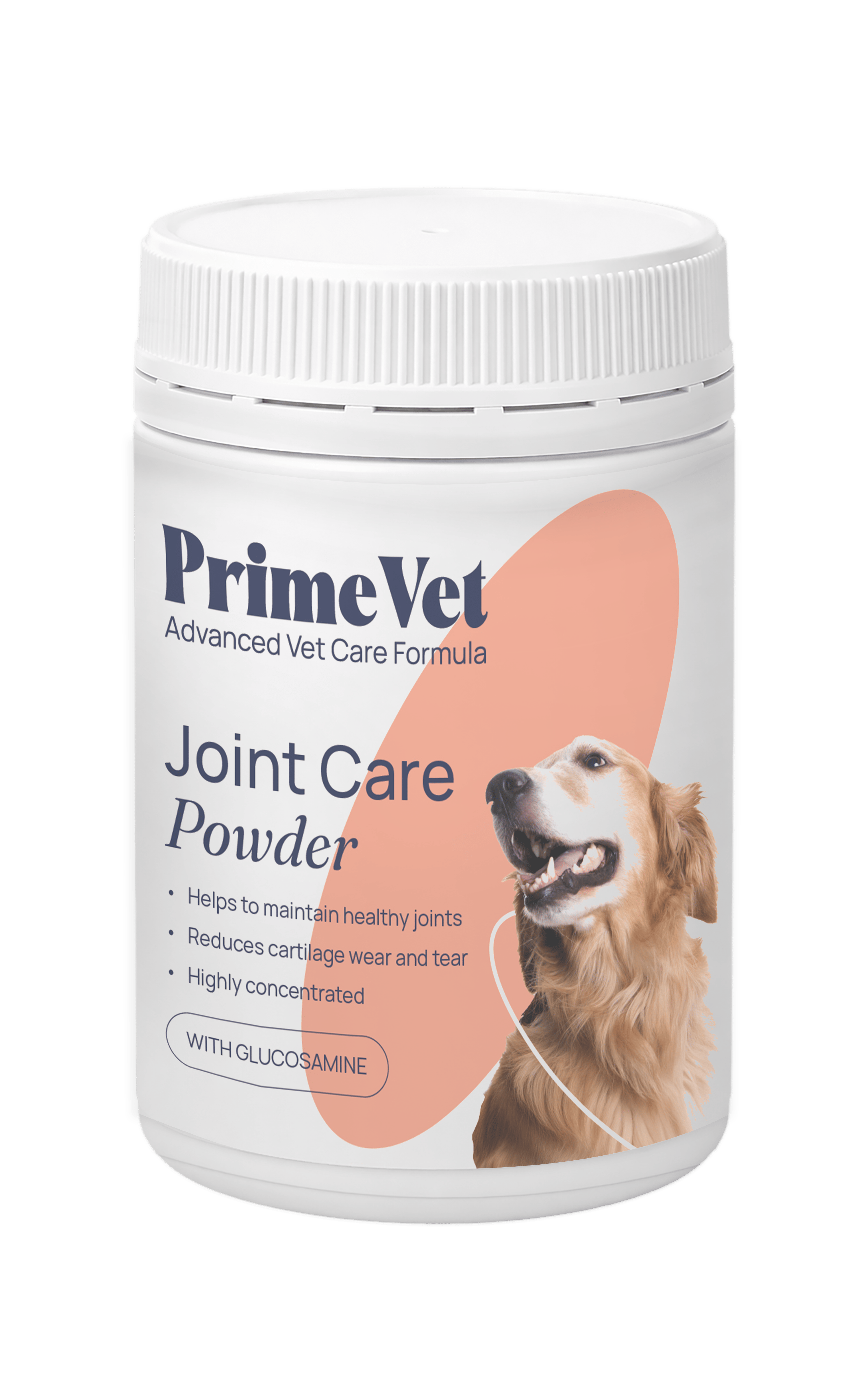
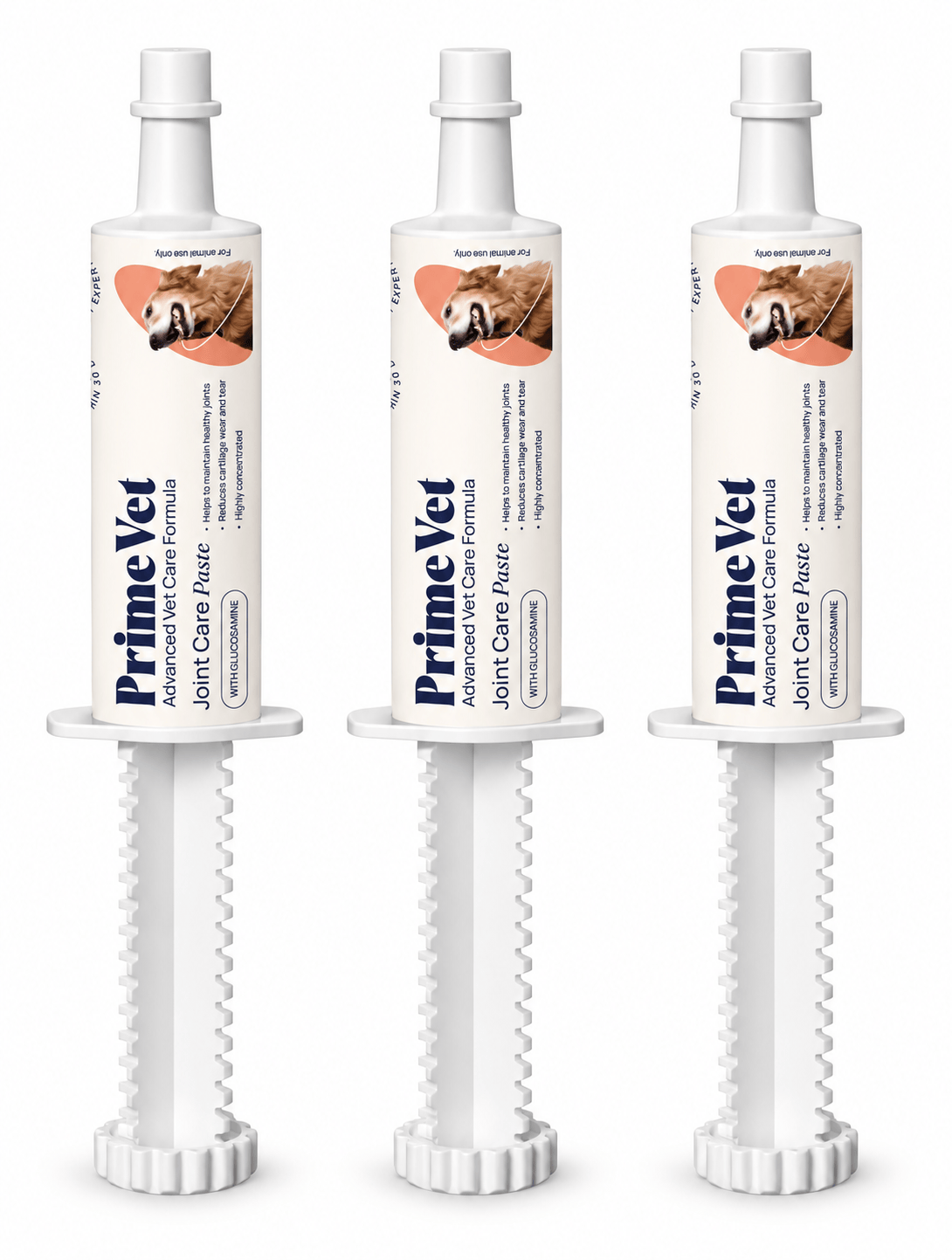
PrimeVet Joint Care Paste contains glucosamine at 553.2g/kg, chondroitin sulphate (28.8g/kg), MSM (96g/kg), hyaluronic acid, DL-Methionine, collagen, and an essential amino acid complex to deliver comprehensive joint support.

When evaluating any supplement, look for transparent ingredient labelling with specific concentrations. Vague descriptions like "joint complex" or "proprietary blend" often signal lower-quality formulations where manufacturers hide weak ingredient levels.
Exercise for Dogs with Arthritis: Building a Mobility Plan
Movement is essential for maintaining joint health, but the type and intensity of exercise matter enormously for dogs with arthritis. The goal is consistent, gentle activity that keeps muscles strong without stressing compromised joints.
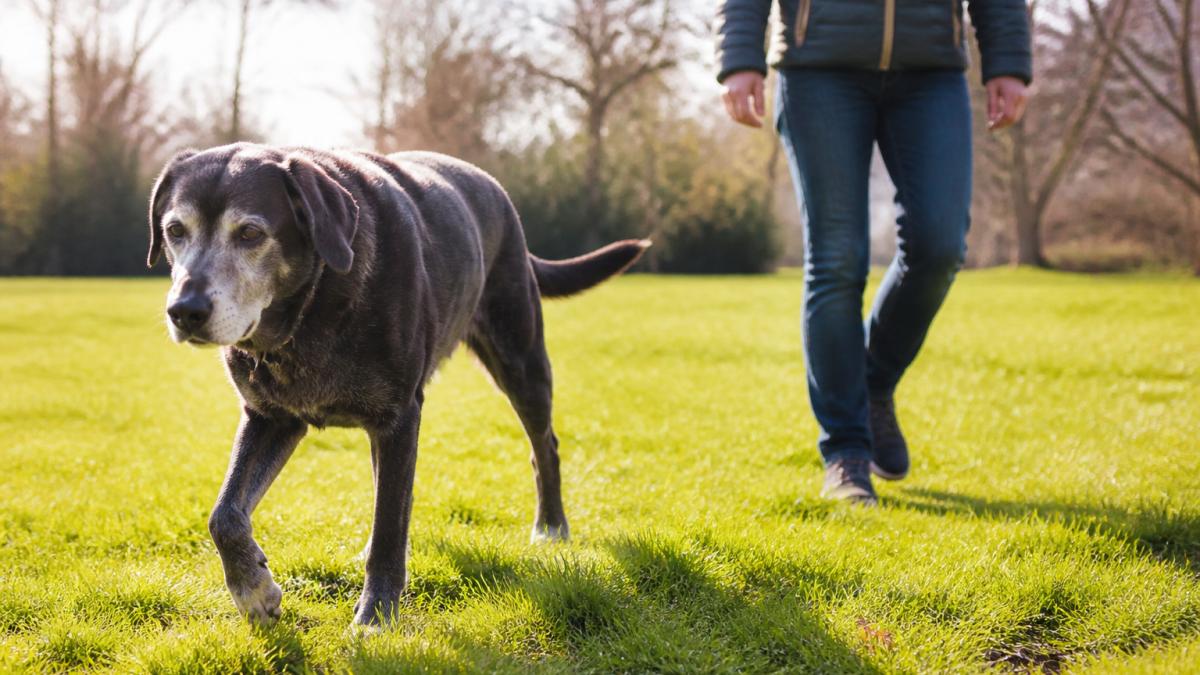
Start with short, frequent walks on soft surfaces like grass or dirt. A 10-15 minute walk twice daily maintains mobility without causing fatigue or inflammation spikes.
Avoid high-impact activities like jumping, running at full speed, or activities that involve sudden direction changes. Stairs can be problematic for dogs with significant arthritis, consider ramps or carrying your dog up and down when possible.
Monitor your dog's response: some stiffness immediately after activity is normal, but significant lameness the next day signals you've overdone it.
Home Modifications for Dogs with Arthritis
Simple home modifications can dramatically reduce strain on arthritic joints and improve quality of life.
Provide orthopedic bedding, elevate food and water bowls, and use ramps or steps to help your dog access furniture and vehicles without jumping.
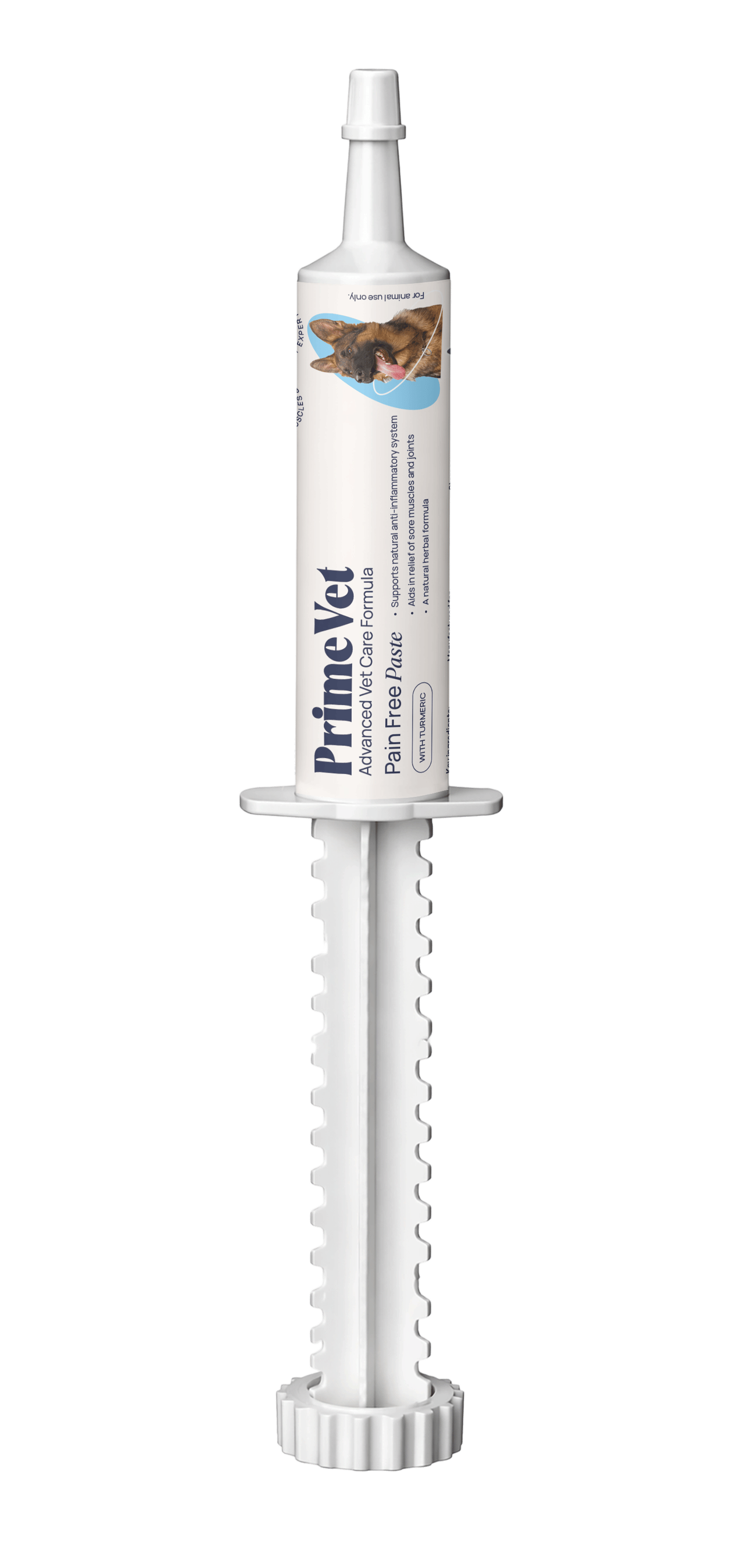
PrimeVet™ Joint Care Paste for Dogs 60ml →
Non-slip flooring is crucial. Hardwood and tile floors force arthritic dogs to work harder to maintain balance and grip, increasing joint strain. Rugs, yoga mats, or non-slip coatings provide better traction and reduce the effort required for movement. Keep frequently used items, beds, toys, water bowls, on the main floor to minimise stair climbing.
Temperature matters as well. Warm environments reduce stiffness; many arthritic dogs improve noticeably in warmer weather or with heating pads in their sleeping areas. During cold months, consider keeping your dog in warmer rooms and limiting time outdoors in freezing conditions.
Safe Dosing, Interactions, and When to Consult Your Veterinarian
Proper dosing of joint supplements depends on your dog's weight, age, and the specific product formulation. Most quality supplements provide dosing guidelines based on weight ranges. Following these guidelines ensures your dog receives therapeutic doses without overdosing.
Joint supplements are generally very safe, they're food-based nutrients rather than pharmaceuticals. However, certain interactions warrant attention. If your dog takes blood thinners or anticoagulants, discuss any new supplement with your veterinarian first, as some ingredients may have mild anticoagulant properties (pubmed.ncbi.nlm.nih.gov). Dogs with shellfish allergies should avoid green-lipped mussel supplements.
Consult your veterinarian before starting joint support for aging dogs if your dog has kidney disease, as some ingredients require normal kidney function for proper processing. If your dog is on prescription pain medication, your vet may recommend adjusting dosages once joint supplements begin working, as mobility and comfort typically improve within 4-6 weeks.
Building a Complete Joint Support Routine for Your Aging Dog
Effective joint support combines multiple strategies working together. Supplements provide the nutritional foundation, but exercise, weight management, environmental modifications, and veterinary monitoring create the complete picture. The key to success is consistency and measurement: knowing whether your dog is actually improving guides your decisions and helps your veterinarian adjust the plan.
The Four-Pillar Approach
Pillar 1: Quality Supplementation Start by selecting a high-quality supplement formulated specifically for joint health. Look for transparent ingredient labelling with specific concentrations (measured in g/kg) for glucosamine, chondroitin, and complementary ingredients.
Pillar 2: Appropriate Movement Pair supplementation with gentle, regular exercise tailored to your dog's current mobility. Short walks on soft surfaces (grass, dirt) twice daily are often more effective than one long walk. Swimming or shallow-water walking provides resistance without joint stress.
Pillar 3: Weight Management and Nutrition Excess weight accelerates joint deterioration by increasing load on compromised joints. Work with your veterinarian to assess your dog's body condition and establish a target weight. Even a 5-10% reduction in an overweight dog can noticeably improve mobility.
Pillar 4: Environmental Support and Monitoring Modify your home to reduce joint strain: provide orthopedic bedding, elevate food bowls, use ramps for stairs, and ensure non-slip flooring. Keep your dog warm, as cold stiffens arthritic joints.
Measuring Progress: A Mobility Tracking Checklist
Vague impressions like "he seems better" are unreliable. Track specific, observable changes to know whether your routine is working. Use this simple checklist weekly or fortnightly to document your dog's mobility and comfort:
Movement and Gait:
- Does your dog walk with a normal gait, or is there still visible limping or bunny-hopping?
- How many steps before your dog shows fatigue or reluctance to continue?
- Does your dog favour one limb, or is weight distributed evenly?
Rising and Lying Down:
- How many seconds does it take your dog to stand after resting? (Measure the first few times; improvement shows as faster rise times.)
- Does your dog struggle, yelp, or require assistance to stand?
- Can your dog rise on the first attempt, or does it take multiple tries?
Stairs and Obstacles:
- Will your dog climb stairs independently, or does it avoid them?
- Can your dog jump onto furniture, or does it need a ramp or assistance?
- Does your dog navigate slopes or uneven ground confidently?
Activity and Engagement:
- How long does your dog walk comfortably before stopping or showing reluctance?
- Does your dog initiate play, fetch, or other activities it previously enjoyed?
- Is your dog more willing to move around the house or yard?
Pain Indicators:
- Does your dog lick, chew, or guard any joints?
- Does your dog yelp or show discomfort when touched or moved?
- Does your dog seem stiff in the morning or after rest, and if so, how long does stiffness last?
Record these observations in a simple table or notes app. After 4-6 weeks, compare your baseline observations to current ones. Improvement might appear as faster rise times, longer walks, willingness to play, or reduced limping. Lack of improvement after 8-12 weeks warrants a veterinary follow-up to reassess the plan.
Adjusting Your Routine Based on Progress
If your dog shows clear improvement, maintain the current routine and continue monitoring. If progress plateaus after 12 weeks, discuss with your veterinarian whether to increase supplement dosage, add a complementary ingredient, or explore additional treatments such as physiotherapy or prescription pain relief.

If your dog shows no improvement or worsens, do not assume the supplement has failed. Instead, return to your veterinarian to rule out underlying conditions that supplements cannot address, confirm proper dosing, or explore alternative approaches. Some dogs respond better to specific ingredient combinations; your vet can recommend adjustments based on your dog's individual needs.
Frequently Asked Questions
What are the most common signs of arthritis in older dogs?
Early signs include reluctance to jump, climb stairs, or get up after resting. You may notice stiffness in the hind legs, limping, or reduced activity. As arthritis progresses, dogs often struggle with basic movements, show visible discomfort when touched on affected joints, and may develop a hunched posture. Some dogs become withdrawn or sleep more than usual. If your aging dog displays any of these signs, consult your veterinarian for diagnosis and a tailored support plan.
How do joint supplements for senior dogs actually work to reduce stiffness?
Joint supplements contain ingredients like glucosamine and chondroitin that help maintain cartilage structure and support joint lubrication. Glucosamine provides building blocks for cartilage repair, whilst chondroitin helps retain water in cartilage, improving shock absorption. Together, these support the body's natural cartilage maintenance and may ease discomfort, though results develop gradually over weeks of consistent use.
Is it safe to give my dog joint supplements alongside prescribed arthritis medication?
Most natural joint supplements are safe alongside veterinary medications, but always inform your vet before starting any new supplement. Some ingredients may interact with blood thinners or certain medications. Your veterinarian can review the specific ingredients and dosage for your dog's health profile. Consistent dosing matters, follow the product instructions based on your dog's weight, and avoid exceeding recommended amounts. If you notice any adverse reactions, contact your vet immediately.
How long does it take to see improvement in my aging dog's mobility after starting a joint supplement?
Most dogs show noticeable improvement within 4 to 8 weeks of consistent supplementation, though some owners report changes within 2 to 3 weeks. Results depend on the severity of joint damage, your dog's age, weight, and overall health. Combining supplements with appropriate exercise, weight management, and home modifications typically produces faster and more visible results. Keep a simple log of your dog's activity level and comfort to track progress objectively.



Leave a comment
All comments are moderated before being published.
This site is protected by hCaptcha and the hCaptcha Privacy Policy and Terms of Service apply.