

Last Updated: November 17, 2026
Quick Summary
Natural pet supplements are not automatically safe just because the label says natural, since the word has no fixed legal meaning and products sit in a regulatory gray area. Check the species, every ingredient, the dose per kilogram and any medication interactions before giving any supplement.
- Natural has no fixed legal meaning on a pet supplement label.
- Run a five-step label, dose and species check before the first serve.
- Cats lack liver enzymes needed to break down many plant compounds.
- Review the dose every three to six months for sustained use.
- Stop the supplement and call your vet if you suspect a reaction.
Table of Contents
- Natural Does Not Automatically Mean Safe
- A Five-Step Safety Check Before You Give Any Supplement
- Pet Supplement Ingredients to Avoid
- Pet Supplement Dosage: Why Body Weight and Species Decide It
- Pet Supplements and Medication Interactions
- The Long-Term Effects of Pet Supplements
- What to Do After an Adverse Reaction or Accidental Overdose
- Choosing a Supplement You Can Actually Verify
- Frequently Asked Questions
Natural Does Not Automatically Mean Safe
Natural pet supplements are products made from plant, mineral or animal sources and sold to support health, and these natural pet supplements are not automatically safe just because the label says natural. The first thing any pet owner should know is this: the word on the front of the tub tells you very little.
What the Word Natural Actually Covers
"Natural" has no fixed legal meaning on a pet supplement label. It can describe a single herb, a blend of extracts, or a product with a tiny botanical trace added to a mostly synthetic formula. Arsenic is natural. So is foxglove.
What matters is the ingredient list, the dose and the species. A herb that helps a horse can harm a cat. A safe dog dose can be too much for a puppy. Many owners find that reading the back label, not the front, is the real safety step.
How Supplements Are Regulated in Australia
Pet supplements sit in a regulatory gray area. Products making therapeutic claims may fall under the APVMA guidance on veterinary medicines, while many are sold as animal feeds or general health products with far lighter oversight.
That means quality control and manufacturing standards rest heavily on the maker. Ask whether the product is made in small batches, who formulated it, and whether the label states a clear dose per kilogram. Our range, for example, is formulated by Professor David Evans BVSc PhD and veterinary nutritionists, and is produced in small batches.
A Five-Step Safety Check Before You Give Any Supplement
The fastest way to judge a supplement is a five-minute check of the label, the dose and the animal in front of you. Run this before the first serve, not after.
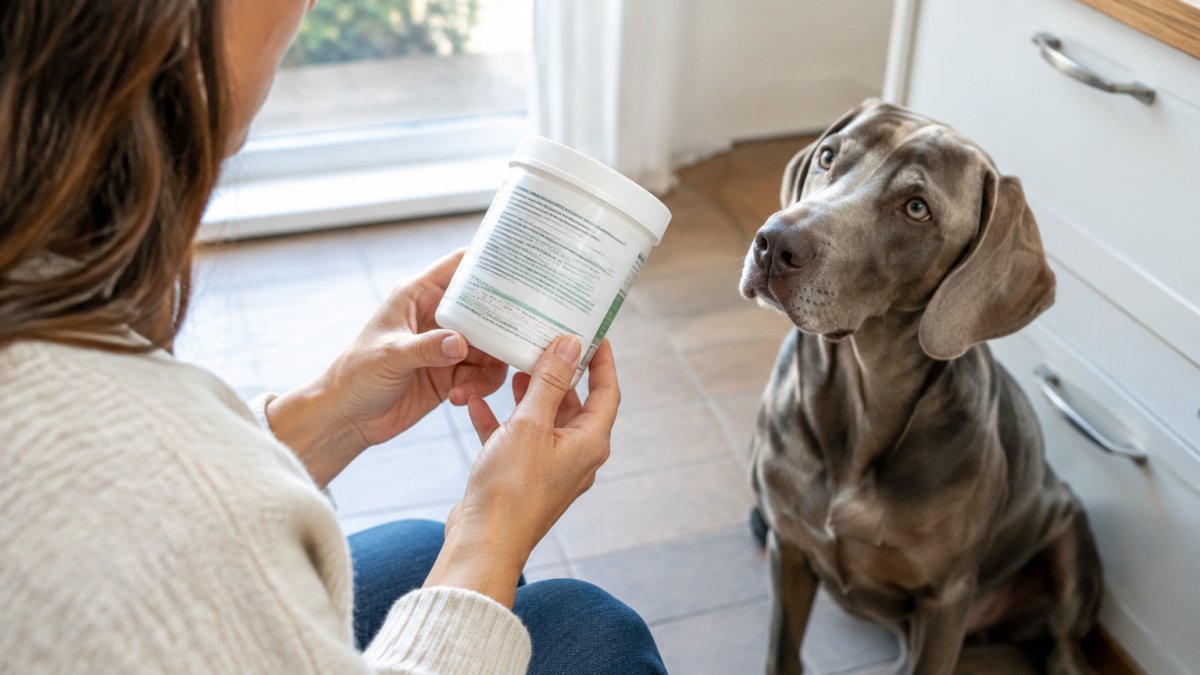
- Confirm the species. Is it labelled for dogs, cats or horses? Never assume.
- Read every ingredient, including the "other" list. Watch for xylitol, onion, garlic and caffeine.
- Check the dose against your pet's weight in kilograms.
- List every medication your pet takes and check for known interactions.
- Note the batch number and start date so you can trace any reaction.
Watch out: the most common mistake is doubling a dose because "it's only natural". Herbal ingredients have real effects, and more is not better.
Run this five-minute check before the first serve, not after.
| Step | What to do |
|---|---|
| 1 | Confirm the species the product is labelled for |
| 2 | Read every ingredient, including the "other" list |
| 3 | Check the dose against your pet's weight in kilograms |
| 4 | List every medication and check for known interactions |
| 5 | Note the batch number and start date |
Pet Supplement Ingredients to Avoid
Some pet supplement ingredients to avoid appear on labels with friendly names, so you need to know what to look for and why each one matters. The risk is highest in cats, who process many plant compounds differently to dogs, and in horses, whose pasture and herbal exposures are different again. The table below sets out the main offenders by species, the mechanism behind the harm, and what a safe owner should do.
Toxic Ingredients for Dogs
- Xylitol, a sweetener that triggers a rapid insulin release and can cause dangerous low blood sugar, liver injury and, in severe cases, collapse. Even small amounts in chewing gum or baked goods can be serious for a small dog.
- Onion and garlic powder, which damage red blood cells over time and can cause anaemia. Powdered forms are more concentrated than fresh, so a small sprinkle in a treat can matter.
- Macadamia, linked to weakness, tremors and hind-limb wobbling, usually within 12 hours of eating.
- Caffeine and guarana, which overstimulate the heart and nervous system and can cause racing heart, restlessness and tremors.
- Grapes and raisins, associated with kidney harm, though the exact toxin is still not fully identified and individual sensitivity varies.
- Vitamin D in excess, often from rodenticides or overly concentrated supplements, which can cause dangerous calcium elevation and kidney damage.
Toxic Ingredients for Cats and Horses
Cats lack several liver enzymes needed to break down plant compounds, so essential oils, tea tree, citrus, phenols and many herbal extracts that are tolerable for dogs can be harmful to cats. A common pattern is a cat licking a dog's supplement or walking through a spilled oil; even topical exposure can matter because cats groom themselves.
Horses face different risks. Ragwort and other pasture plants cause cumulative liver damage, and some herbal blends sold for dogs or humans are simply not tested in equines. A herb that supports a dog's joints may be untested or unsafe in a horse, and the reverse is also true.
How to Read a Label for Hidden Risks
Ingredient panels are not always complete. Watch for vague terms such as "proprietary blend", "natural flavouring" or "herbal extract" without a plant name, because these can hide both the identity and the amount of an ingredient.
Watch out: the most common mistake is assuming a small amount is harmless because the ingredient is natural.
If you are weighing up a specific ingredient such as collagen, our guide to the benefits of collagen for dog mobility explains what it does and where it fits.
Pet Supplement Dosage: Why Body Weight and Species Decide It
Correct pet supplement dosage is set by body weight and species, not by age or enthusiasm. A 5 kg terrier and a 40 kg greyhound need very different amounts, and a cat is not a small dog.
Dosing rules to follow:
- Weigh your pet, don't guess. Use the same scale each time.
- Follow the label's grams or millilitres per kilogram.
- Split the daily serve if the label allows it.
- Recheck the dose as weight changes, especially in puppies and seniors.
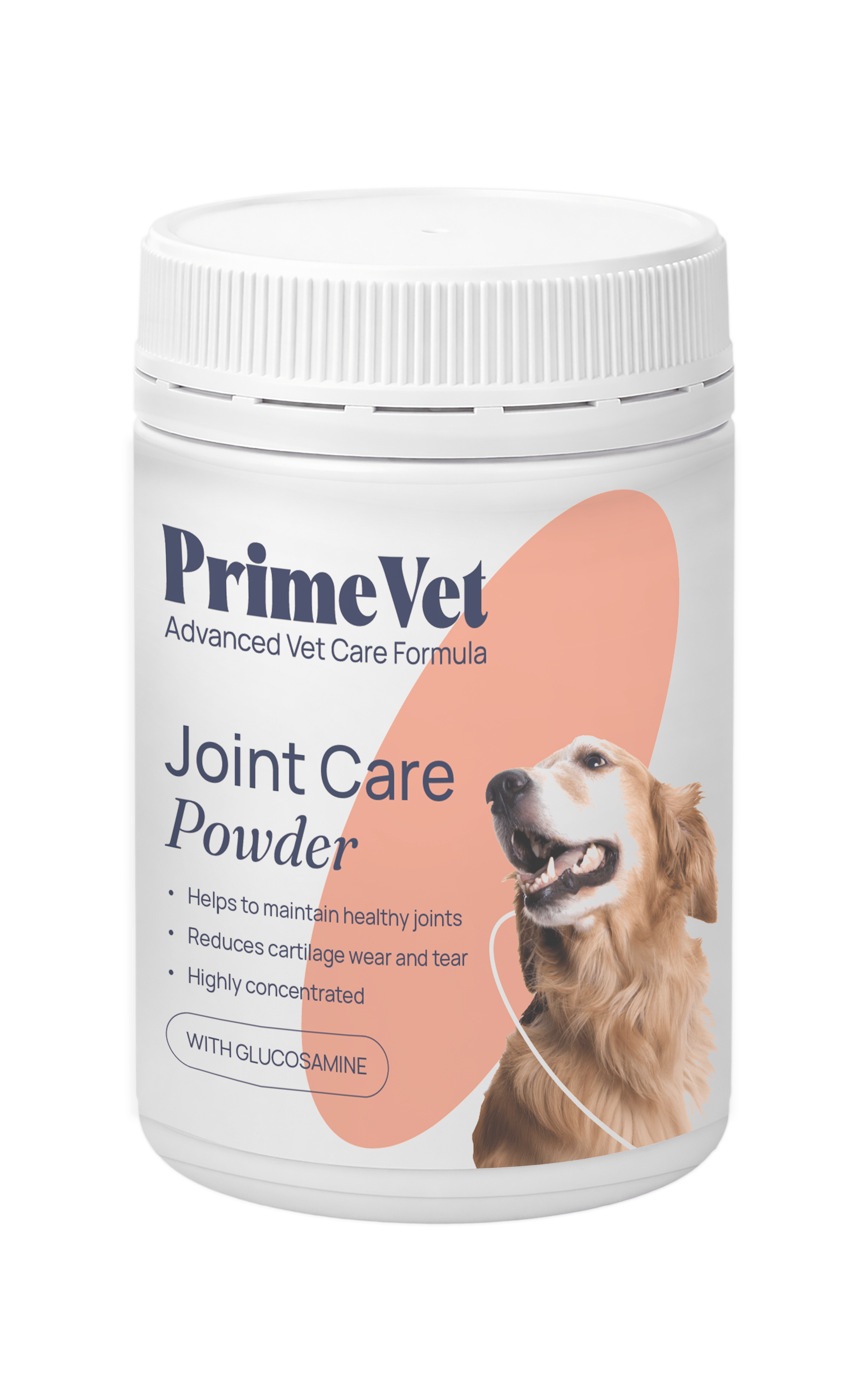
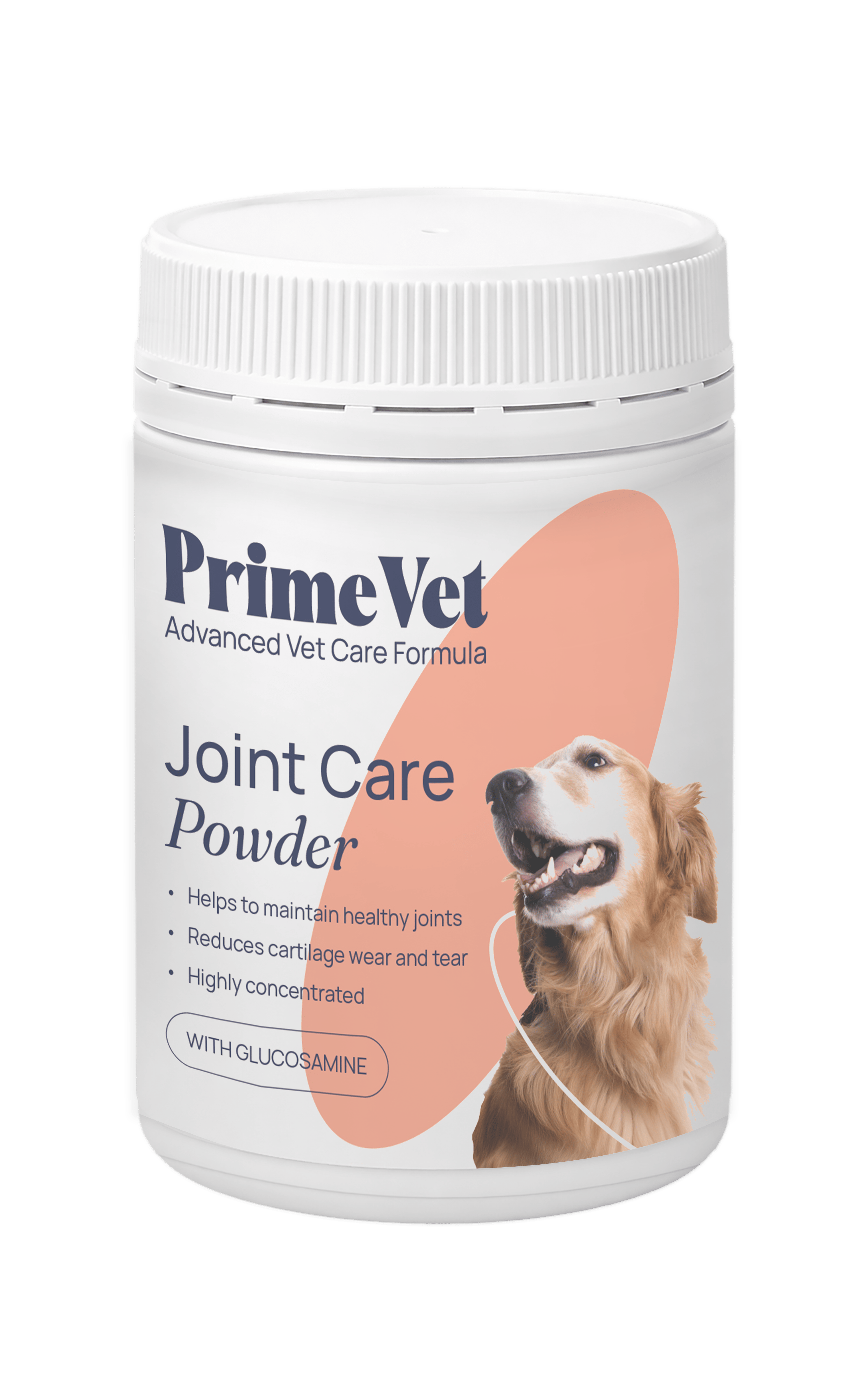
Our PrimeVet Joint Care Powder 150g is a 30-day supply with dosing printed on the label, so you can match the serve to your dog's weight without guesswork.
Pet Supplements and Medication Interactions
Pet supplements and medication interactions are the risk most owners never check. Herbal ingredients can speed up or slow down how a drug is processed, and some can amplify bleeding risk.
Common examples worth raising with your vet:
- Turmeric or fish oil alongside blood thinners
- St John's wort alongside sedatives or anaesthetics
- Calcium or magnesium alongside certain antibiotics
- Kelp alongside thyroid medication
Bring the actual tub to your vet appointment. A photograph of the ingredient panel is the next best thing, and it lets your vet check the full list rather than a single ingredient.
The Long-Term Effects of Pet Supplements
Long-term use is where supplements quietly prove themselves or quietly cause trouble. Many products are well tolerated for months, but the effects build slowly in both directions.
What we suggest for sustained use:
- Review the dose every three to six months
- Note changes in appetite, stool, energy and coat
- Repeat bloodwork if your vet advises it, especially in older animals
- Stop and reassess if you see no benefit after a fair trial
For an aging dog, our complete guide to joint support for aging dogs walks through what sustained support looks like over months rather than weeks.
What to Do After an Adverse Reaction or Accidental Overdose
Stop the supplement immediately and call your vet or a poisons service if you suspect an overdose or a reaction. Do not wait for symptoms to worsen, and do not induce vomiting unless a vet tells you to.
Signs that need urgent help:
- Vomiting, diarrhoea or drooling
- Tremors, wobbling or weakness
- Fast or irregular heartbeat
- Pale gums or collapse
- Seizures
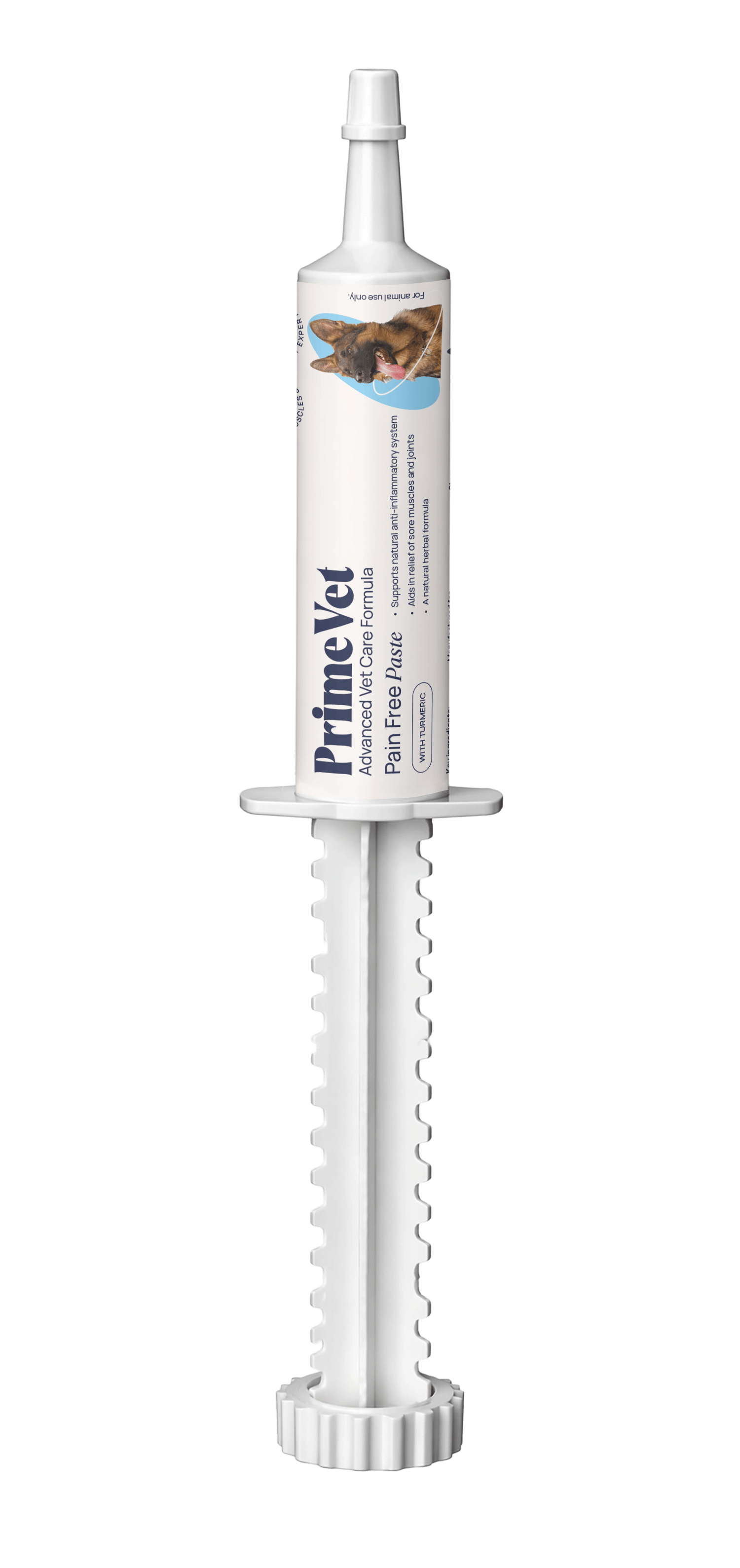
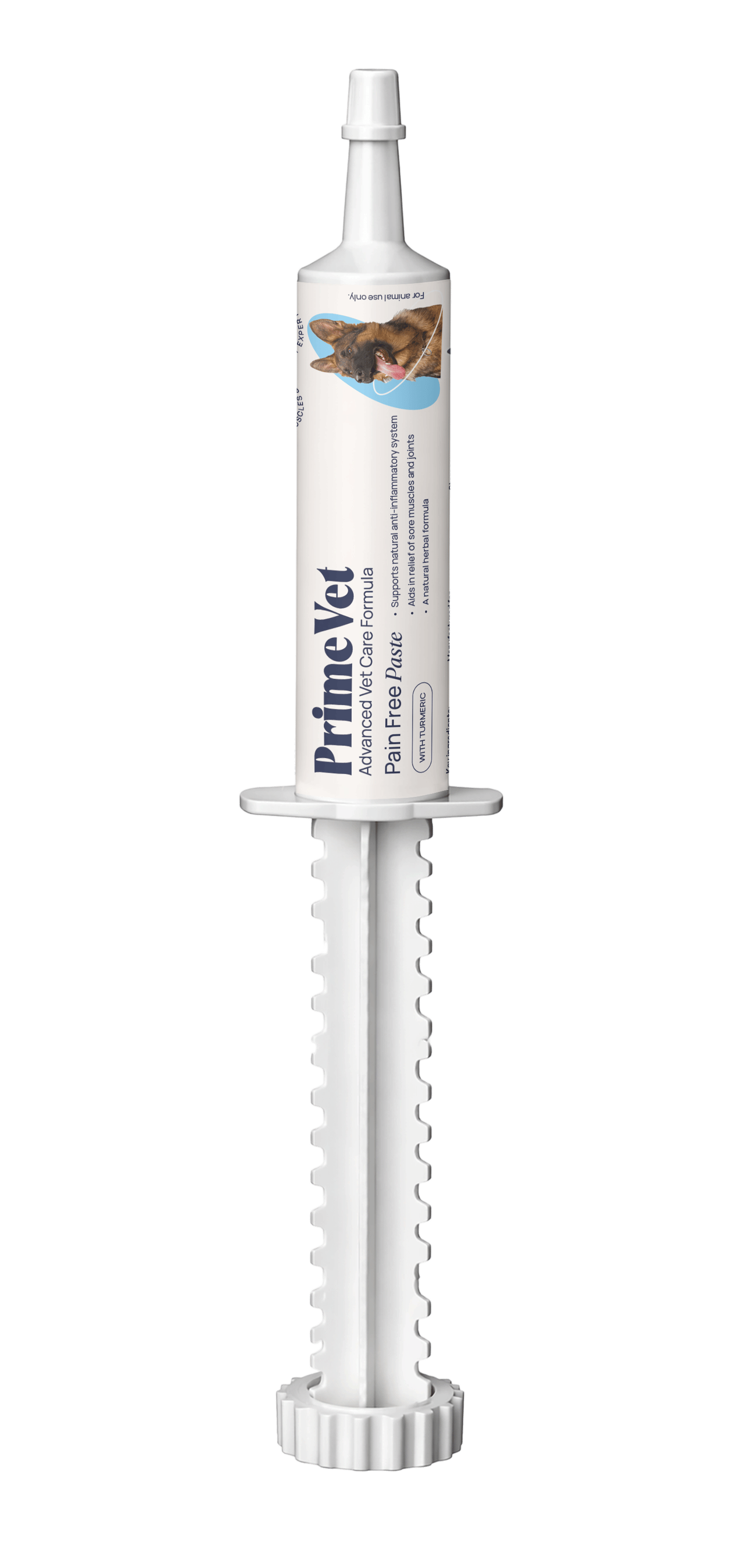
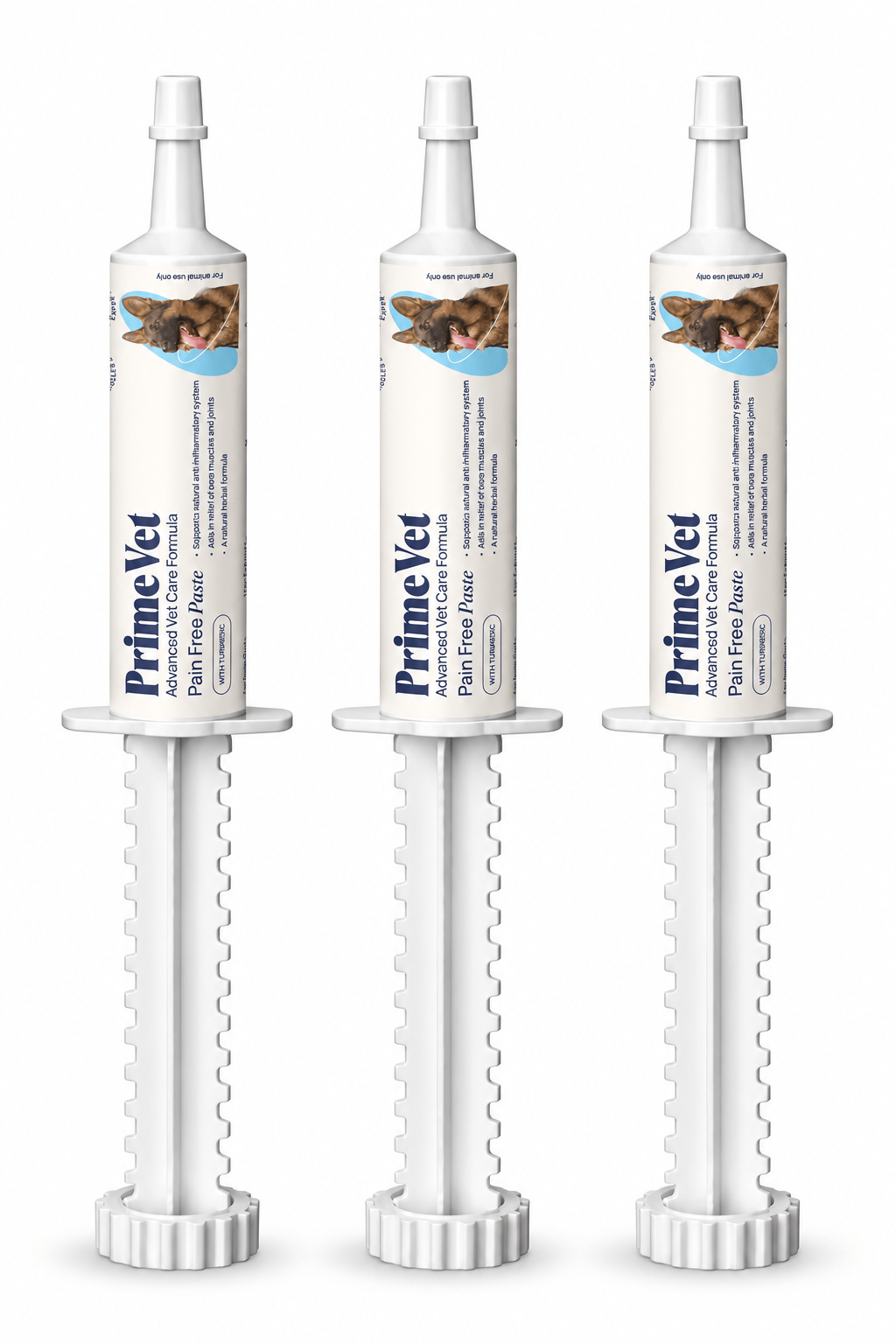
Bring the tub, the batch number and a note of how much was eaten and when. That information speeds up treatment more than anything else you can do. Once your pet is stable, a clearly labelled single-purpose product is easier to manage safely, such as our PrimeVet Pain Free Paste for Dogs 32ml.
Choosing a Supplement You Can Actually Verify
Verification beats marketing every time. A product you can check is safer than one you simply hope is fine, and the difference usually comes down to what the maker is willing to disclose about formulation, testing and manufacturing.
What Regulation Does and Does Not Cover
Pet supplements sit in a regulatory gray area. Products making therapeutic claims may fall under the APVMA guidance on veterinary medicines, while many are sold as animal feeds or general health products with far lighter oversight. In practice, this means a supplement can reach the shelf without the kind of pre-market efficacy review applied to registered veterinary medicines.
What this means for you: a label claim is not the same as independent proof. Ask whether the maker can explain how the product is tested, who formulated it, and what manufacturing standard applies.
Questions That Reveal Quality
Ask these before you buy:
- Who formulated it, and are their credentials named? A named veterinarian or veterinary nutritionist is easier to verify than an unnamed "expert panel".
- Is the dose stated per kilogram on the label, so you can match it to your pet's weight?
- Is the batch traceable, and is the supply size sensible for the trial period you have in mind?
- Does the maker explain what each ingredient does, rather than hiding behind a proprietary blend?
- Are the claims modest and specific, or do they promise to cure a long list of unrelated conditions?
- Is there a stated policy for adverse reactions and batch recalls?
How to Assess Evidence for a Claim
The strongest evidence for a supplement generally comes from studies in the target species rather than from human trials or laboratory work.
Watch out: a label that says "human-grade" or "natural" does not by itself prove safety or quality. Those terms describe sourcing or marketing, not testing, dose accuracy or species suitability.
If you are ready to compare vetted options, our roundup of the best natural supplements for dog joints sets out what to look for side by side.
Choosing a supplement for a pet you love should feel careful, not hopeful.
Frequently Asked Questions
Are natural pet supplements safe for dogs and cats?
They can be, but safety depends on the ingredient, the species and the dose rather than the word natural. Some herbal ingredients that suit dogs are harmful to cats, and a serving size built for a 30 kg dog is far too much for a 4 kg one. Before giving any natural pet supplements, check the label for species suitability, confirm the dose against your pet's weight, and ask your vet if your pet is on medication or has a health condition.
Can natural pet supplements interact with prescription medicines?
Yes. Herbal ingredients can change how a prescription medicine is absorbed or metabolised, and some can add to its effects. Turmeric, for example, may increase the effect of blood-thinning medication, and certain calming herbs can compound the sedation of anaesthetics or anti-anxiety drugs. Always tell your vet every supplement your pet takes, including joint powders and herbal pastes, and pause them before surgery unless your vet says otherwise.
How can I tell whether a pet supplement is safe?
Look for a full ingredient list with amounts per serving, a named manufacturer, a batch number and a clear species and weight-based dose. Check that the product names the condition or use it supports rather than making vague claims. Avoid products with undisclosed blends, and be cautious with anything imported without an Australian supplier. If the label does not tell you what is in it and how much, you cannot assess the risk.
What should I do if my pet has a reaction to a supplement?
Stop the supplement immediately and note the time, the amount given and the symptoms. Mild signs such as loose stool or mild itching can be monitored with your vet's advice, but vomiting, wobbliness, tremors, swelling or difficulty breathing need urgent veterinary care. Keep the tub and its batch number so your vet can identify the ingredient, and report the reaction to the supplier so the batch can be traced.





Leave a comment
All comments are moderated before being published.
This site is protected by hCaptcha and the hCaptcha Privacy Policy and Terms of Service apply.