


Last Updated: November 26, 2026
Quick Summary
Calming treats can take the edge off mild, short-term stress like fireworks, car trips or vet visits, but they are not a cure for anxiety. Most take roughly 30 to 90 minutes to work and last a few hours, so timing matters more than dose.
- Calming treats are a support tool, not a treatment for deep-seated fear.
- Give calming treats 60 to 90 minutes before fireworks or storms.
- Match the weight range on the label and never double up on a dose.
- Check with your vet first if your dog is on medication for behaviour, seizures, pain or thyroid.
- Log the trigger, timing, onset and a 1 to 5 score for three or four events before judging a product.
Table of Contents
- What Calming Treats Can and Cannot Do for an Anxious Dog
- Calming Treats for Dogs Ingredients and What the Evidence Shows
- How Long Do Calming Treats Take to Work and How Long Do They Last
- Are Calming Treats Safe for Dogs and What Interactions Matter
- Calming Treats for Separation Anxiety in Dogs and Other Stress Triggers
- A Step-by-Step Checklist for Evaluating a Calming Product
- How to Track Whether a Calming Treat Is Actually Helping Your Dog
- Choosing the Right Calming Support for Your Dog
- Frequently Asked Questions
What Calming Treats Can and Cannot Do for an Anxious Dog
Calming treats for dogs are edible supplements that deliver ingredients such as L-tryptophan, magnesium and herbal extracts to help a dog stay relaxed during stressful events. They are not a cure for anxiety. Calming treats are best thought of as a support tool, not a treatment.
So do calming treats work for dogs? They can take the edge off mild, short-term stress. They will not fix a deep-seated fear on their own.
A calming treat changes the raw material your dog's body has to work with. It does not change what your dog has learned to fear. That gap explains why some owners see a softer dog within an hour and others see nothing at all.
Mild Situational Stress Versus Clinical Anxiety
A dog that trembles during a thunderstorm but settles afterwards is showing situational stress. A dog that cannot settle for hours, destroys doors, or stops eating for days is showing signs closer to clinical anxiety.
- Mild stress: fireworks night, a car trip, a vet visit, a new house. Calming treats are a reasonable first step.
- Clinical anxiety: ongoing, severe, or escalating behaviour. This needs a veterinarian and a behaviour plan.
- Middle ground: a dog that reacts strongly but recovers. Treats plus training often work here.
Watch out: owners often buy calming chews for a dog that actually needs a vet workup. If your dog's behaviour has changed suddenly, or comes with appetite loss, that is a health question first.
Calming Treats for Dogs Ingredients and What the Evidence Shows
The evidence behind calming treat ingredients varies widely by active. The formula matters as much as the ingredient list, and the evidence for a single ingredient is not the same as evidence for a finished product.
L-Theanine, Alpha-Casozepine and Other Common Actives
L-theanine is an amino acid found in green tea and one of the better-studied calming ingredients. Many owners report a softer, less reactive dog without drowsiness.
Alpha-casozepine is a peptide derived from milk protein, studied for its calming effect in dogs and used in several veterinary calming products.
L-tryptophan is an amino acid your dog's body uses to make serotonin. It is common in calming supplements.
Magnesium and B vitamins support normal nerve and muscle function.
Probiotics are an emerging area.
Melatonin is a hormone linked to sleep cycles (Melatonin).
Withanolides, found in ashwagandha, are another common inclusion in calming products. The evidence in dogs is limited.
The practical point: a product with one token ingredient at a low dose is not the same as a properly formulated blend. For a wider look at how ingredient quality is judged, our guide to science backed pet health supplements covers the evidence side in more detail.
Evidence Quality by Ingredient and Product
Separate two questions before you buy. First, is there evidence for the ingredient at the dose used? Second, is there evidence for this finished product? Many products rely on ingredient-level studies rather than studies of the finished formula.
A common pattern is a product that lists a well-studied active at a dose far below the studied amount, or combines several actives at low doses so no single one is likely to have an effect. Look for named actives with amounts per weight range, and be sceptical of "proprietary blends" that hide doses.
Quality control is part of the evidence question. If you want a deeper safety read, our vet-informed guide to natural pet supplement safety walks through what to check.
How Long Do Calming Treats Take to Work and How Long Do They Last
Most calming treats take roughly 30 to 90 minutes to show an effect, and the effect usually lasts a few hours. That timing is why they suit predictable events better than sudden ones.
- Fireworks or storms: give the treat 60 to 90 minutes before the expected trigger.
- Car trips: give it 45 to 60 minutes before you leave.
- Vet visits: give it before you get in the car, not in the waiting room.
- Separation: give it 30 to 60 minutes before you walk out the door.
The thing nobody tells you about calming treats is that timing beats dose. A perfectly good product given five minutes before a thunderstorm will look like it did nothing.
Duration varies by dog, by product, and by how stressful the event is. Some dogs get three hours of calm. Others get six. Track it, because your dog's pattern is the only data that matters.
Recommended timing to give calming treats before each trigger
Are Calming Treats Safe for Dogs and What Interactions Matter
Calming treats are generally safe for healthy dogs when you follow the label dose.
Interactions are the one owners underestimate. If your dog is on medication for behaviour, seizures, pain, or a thyroid condition, check with your vet before adding anything.
Dose errors matter most in small dogs. A chew sized for a labrador is not a small dog's dose.
Health conditions change the risk profile.
Quality control is the quiet risk. Supplements are not all made to the same standard, and small-batch production with clear ingredient sourcing is worth paying for.
Watch out: if your dog becomes drowsy, wobbly, or off their food after a calming treat, stop and call your vet. That is not a normal calming response.
When Calming Treats Are Inappropriate or Insufficient
Calming treats are not the right tool for every dog. They are inappropriate as a standalone solution for severe, persistent, worsening, or sudden-onset anxiety. Because a sudden change or loss of appetite can signal more than anxiety, check with your vet before trying natural calming treats, especially if your dog’s stomach is upset.
They are also insufficient where the anxiety is learned and deep-seated. Separation anxiety, noise phobia, and fear-based aggression need a behaviour plan, and treats at best lower arousal enough for training to work.
A practical rule: use treats for predictable, mild, short-term stress, and escalate to veterinary advice when the problem is frequent, severe, or changing.
Calming Treats for Separation Anxiety in Dogs and Other Stress Triggers

Calming treats for separation anxiety in dogs can help, but they work best as one part of a plan. Separation anxiety is a learned panic response. A treat lowers arousal; it does not teach your dog that being alone is safe.
The same applies to other triggers:
- Noise phobia: fireworks and thunderstorms respond well to good timing.
- Travel anxiety: car trips and crates are predictable, so plan ahead.
- Vet visits: a calmer dog is easier to examine and less stressed afterwards.
- Environmental change: moving house, a new baby, a new pet.
Behaviour modification is the other half. Short absences, gradual build-up, and calm departures do the teaching. The treat makes training possible by lowering the panic enough for learning to happen.
A Step-by-Step Checklist for Evaluating a Calming Product
Use this checklist before you buy any calming product. It takes two minutes and saves wasted money.
- Full ingredient list on the label, not just "proprietary blend"
- Dose stated per weight range, small, medium and large dog guidance
- Named actives with amounts, L-theanine, L-tryptophan, magnesium and so on
- Clear onset guidance, how long before the event to give it
- Non-sedating claim, your dog should stay alert, not dopey
- Sourcing and batch info, who formulates it and how it is made
- Interaction warning, a note to check with a vet if on medication
- Return policy, you should be able to try it without risk
- Format suits your dog, powder, paste or chew
- Price per dose, not just the packet price
That last point is where cheap products lose. A low packet price with a weak dose per kilogram is not good value. If you have quick questions on dosing or returns, the PrimeVet FAQ covers the common ones.
How to Track Whether a Calming Treat Is Actually Helping Your Dog
Most owners judge a calming treat by memory, which is unreliable. A simple log turns guesswork into evidence.
Score your dog before and after each event on a 1 to 5 scale:
| Score | What You See | What It Means |
|---|---|---|
| 1 | Panicked, cannot settle, destructive | No effect, review the plan |
| 2 | Very tense, pacing, panting | Mild effect, check timing and dose |
| 3 | Anxious but settles with help | Partial effect, keep going |
| 4 | Slightly tense, recovers quickly | Good effect |
| 5 | Calm and relaxed throughout | Strong effect |
Log four things for each event: the trigger, the time you gave the treat, the onset you noticed, and the score. Do this for three or four events before you judge the product.
The pattern will tell you what to change. If your dog scores well but only after the event starts, your timing is late. If the score never moves, the dose or the product is wrong. If scores improve week on week, the treat plus your training is working.
Choosing the Right Calming Support for Your Dog
Match the product to the situation, not to the loudest label. A dog that struggles with car trips needs something fast-acting and easy to give.
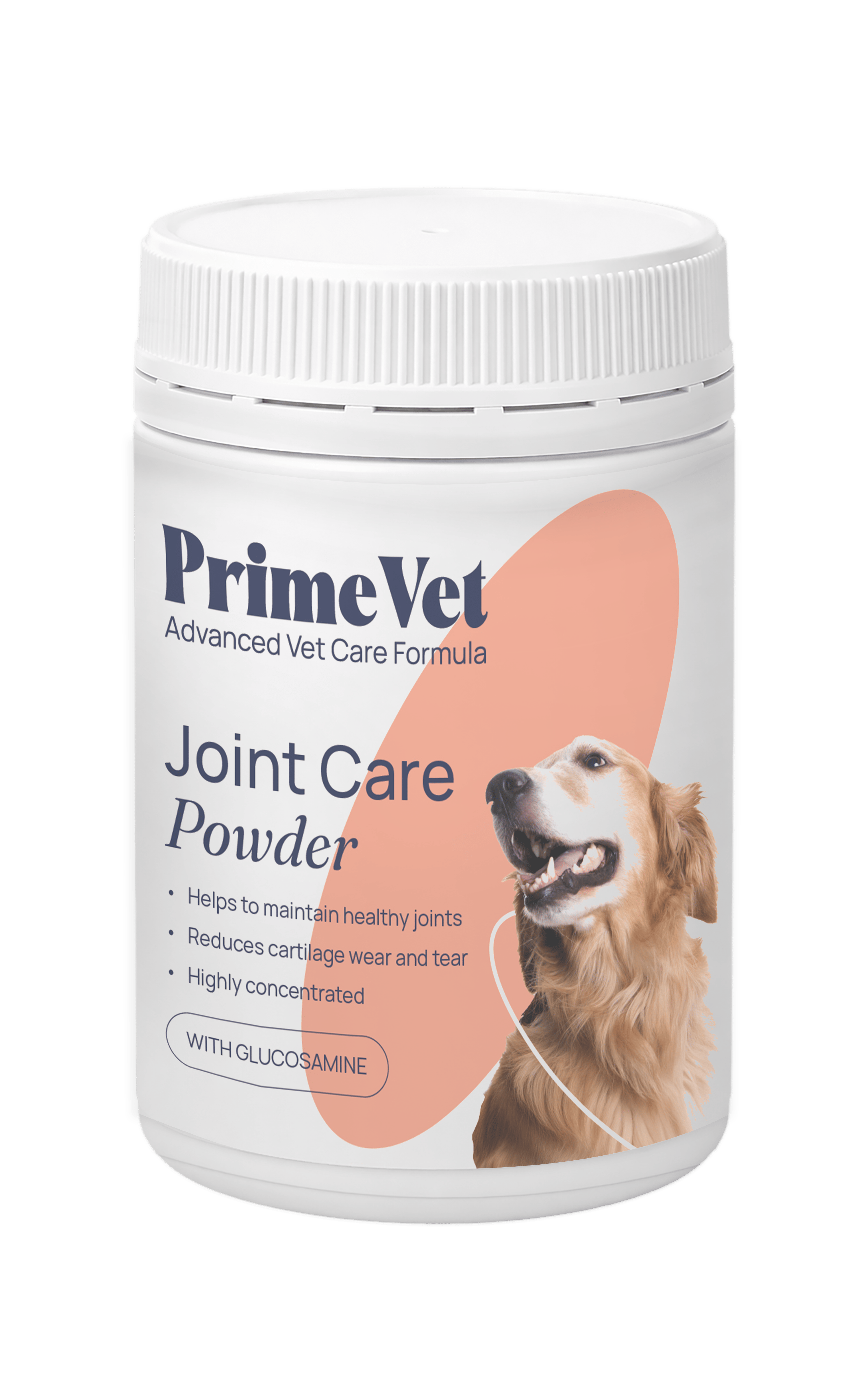
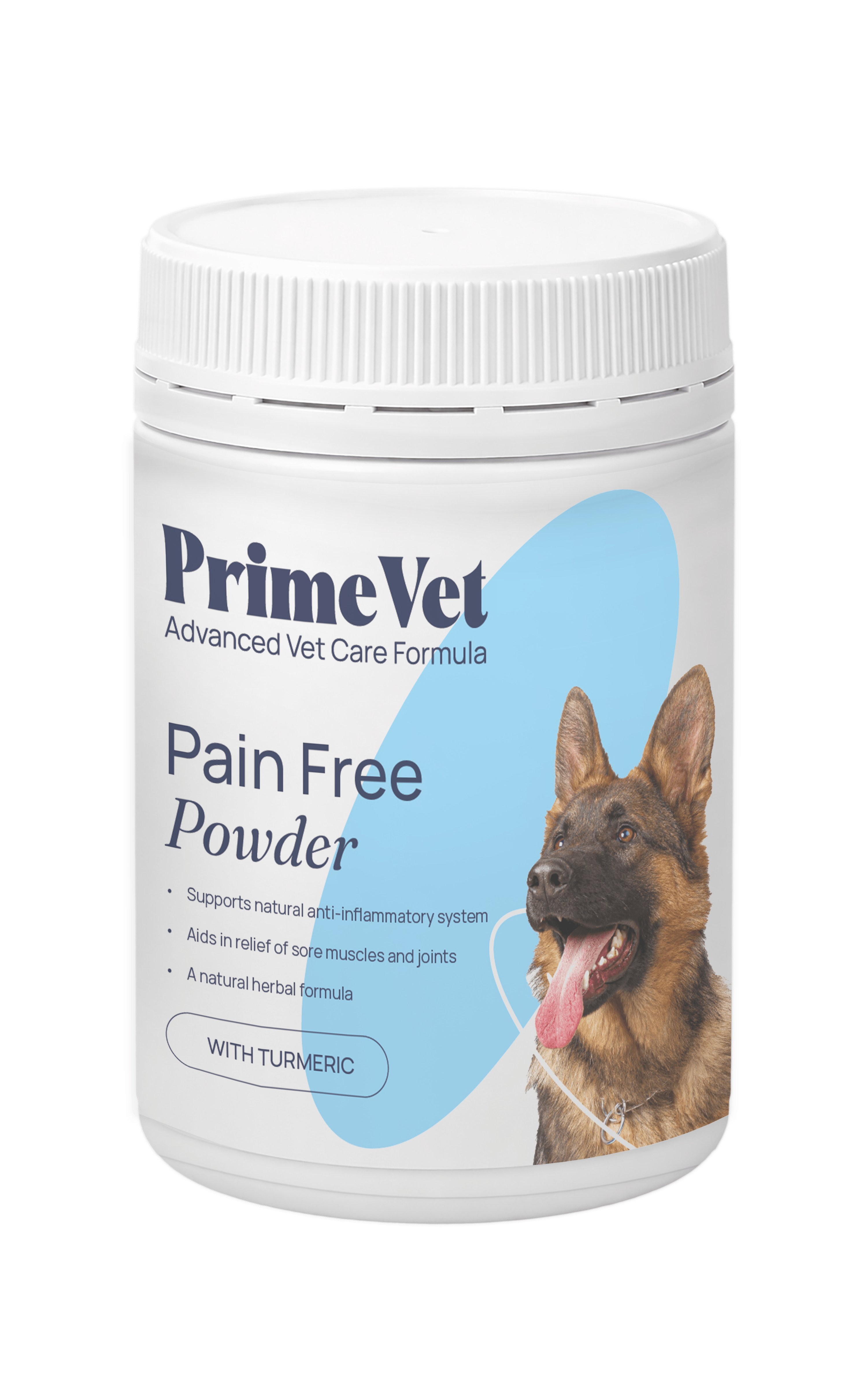
The PrimeVet™ Dog Calming Paste and Calming Powder are both listed as supporting dogs experiencing stress or anxiety due to travel, environmental changes or separation.
You can browse the full range of calming supplements for dogs to compare formats and doses side by side.
Calming treats work best when you treat them as one part of a plan: the right product, given at the right time, alongside training and vet advice.
Frequently Asked Questions
Do calming treats actually work for dogs?
They can help with mild, situational stress such as car trips, fireworks or a vet visit, but they are not a cure for clinical anxiety. Results depend on the active ingredients, the dose and the individual dog. Ingredients like L-theanine and alpha-casozepine have some clinical evidence behind them, while others have far less. Calming treats work best alongside behaviour modification and veterinary advice, not as a replacement for either.
Are calming treats safe to give dogs every day?
Many calming treats are formulated for regular use, but daily use still needs a reason and a review. Check the label for a stated daily dose and confirm it with your vet, especially if your dog takes medication for behaviour, pain or thyroid issues. Watch for drowsiness, stomach upset or changes in appetite in the first week. If your dog is pregnant, on multiple medications or has liver or kidney disease, get veterinary clearance before starting any supplement.
Can calming treats help with separation anxiety or noise fears?
They can take the edge off, but separation anxiety usually needs a behaviour plan as well. For noise phobia such as fireworks, timing matters: give the treat before the trigger starts, based on the product's onset time. Pairing calming treats for separation anxiety in dogs with gradual departures and desensitisation gives a better outcome than the treat alone. If your dog panics, injures itself or destroys property, speak to your vet about a fuller treatment plan.
How long do calming treats take to work and how long do they last?
Onset varies by product and ingredient. Some chews and pastes are formulated for effect within 30 to 60 minutes, while ingredients that build up over time may need days or weeks of consistent use. Duration is similarly variable, often a few hours per dose. Test the product on a calm day first so you know how your dog responds before you rely on it during a thunderstorm or a vet visit.




Leave a comment
All comments are moderated before being published.
This site is protected by hCaptcha and the hCaptcha Privacy Policy and Terms of Service apply.