

Last Updated: November 4, 2026
Quick Summary
To support an older horse after exercise, cool it down gradually by walking until breathing settles, then check heart rate and breathing at five and fifteen minutes. Knowing how to support an older horse after exercise also means daily turnout, joint supplements, hydration and owner-led stretches.
- Start with 10 to 15 minutes of walking before any faster work.
- Cold hose the lower legs for 10 to 15 minutes after harder sessions, then dry thoroughly.
- A 23+ year old horse may need 3-5 days between hard sessions.
- If breathing is still heavy five minutes after work stops, the session was too hard.
- Add in-hand walking twice a day if stabling is unavoidable.
Table of Contents
- Why Recovery Matters More for the Older Horse
- Step 1: Build a Long Warm-Up Routine
- Step 2: Follow a Post-Exercise Cooling Routine for Horses
- Step 3: Recognise Signs of Arthritis in Older Horses
- Step 4: Manage Stiffness with Senior Horse Joint Supplements
- Step 5: Use Turnout and In-Hand Walking for Voluntary Movement
- Step 6: Support Hydration, Electrolytes and Muscle Mass
- Step 7: Add Post-Ride Physical Therapy and Seasonal Recovery Protocols
- Frequently Asked Questions
Why Recovery Matters More for the Older Horse
Older horses take longer to recover from exercise than they did as young stock. Knowing how to support an older horse after exercise is one of the most practical skills an owner can build, because recovery is where age-related decline shows up first. Stiffness, slower breathing rates returning to normal, and reluctance to move the next day all point the same way: the body needs more help than it once did.
The principles below are simple. They work best when applied consistently, not just on show days.
Recovery matters more for three reasons:
- Muscle mass drops with age, so the same workload costs more
- Joint stiffness sets in faster after hard work
- Hydration and electrolyte balance recover more slowly
The good news: small, repeated habits make a real difference. Here's how to build them.
Step 1: Build a Long Warm-Up Routine
Start with 10 to 15 minutes of walking before any faster work. A long warm-up routine is the single best investment you can make in an older horse's comfort, because cold muscles and stiff joints strain more easily.
Build it in layers:
- Five minutes of walking on a loose rein
- Three to five minutes of active walking with a steady contact
- Gradual trot work before any canter
- Walk breaks between each upward transition
Adjusting Exercise Intensity for Age
Match the work to what the horse shows you, not to what it managed last season. Exercise intensity should rise slowly across weeks, and recovery heart rate is your best guide.
If breathing is still heavy five minutes after work stops, the session was too hard. Shorten it next time.
Step 2: Follow a Post-Exercise Cooling Routine for Horses
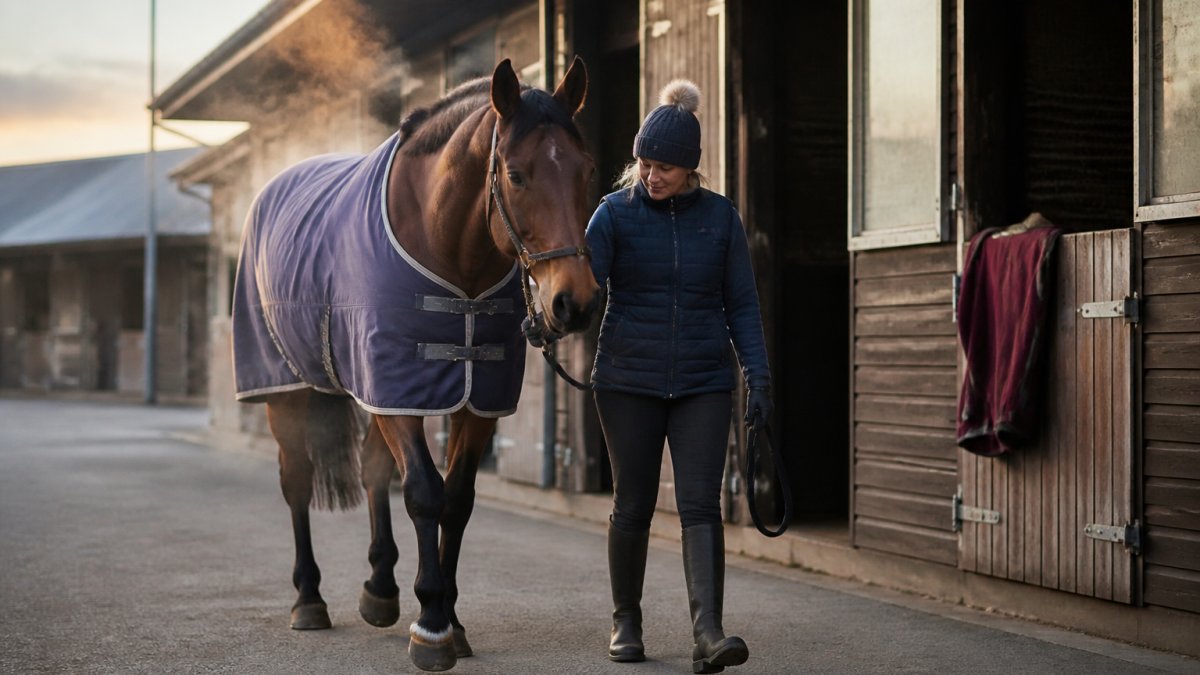
Cool your horse down gradually, never abruptly. A post-exercise cooling routine for horses should bring the heart rate down slowly while keeping the horse moving so muscles don't seize. Walk the horse in hand or on a loose rein until breathing settles. Offer small sips of water rather than a full bucket straight away.
Cold Hosing and Rugging After Work
Cold hosing the lower legs for 10 to 15 minutes helps reduce heat in tendons and joints after harder sessions. Dry the legs thoroughly afterwards. Then rug according to the weather. An older horse chills faster, so a light rug after a cool evening ride is often sensible. Watch out: leaving a wet horse rugged in cold weather can cause a chill, so always dry the coat first.
Seasonal Recovery Protocols: Summer vs Winter
Most advice stops at "cool the horse down", but older horses need different protocols depending on the season. In summer, the priority is heat dissipation: hose the whole body, scrape off excess water, and offer electrolytes after sweaty work. In winter, the priority shifts to drying and warmth: use a cooler rug, towel-dry the coat, and avoid leaving a damp horse standing in a draught. A common pattern is to reduce workload during extreme heat or cold, and to allow extra time for the horse to dry before rugging. For a 25-year-old horse, a winter cool-down may take twice as long as for a 15-year-old.
Monitoring Recovery After Exercise
Check breathing and heart rate at five and fifteen minutes after work stops. If breathing is still heavy at five minutes, the session was too hard. Also watch for signs of fatigue or soreness the next day: reluctance to move, stiffness, or a shortened stride. Adjust the next session accordingly.
Step 3: Recognise Signs of Arthritis in Older Horses
Catching the signs of arthritis in older horses early gives you far more options. Arthritis is the progressive wear of joint cartilage that causes stiffness, heat and reduced range of motion.
Look for these signs:
- Stiffness in the first few steps after stabling
- Reluctance to pick up a lead or turn tightly
- Heat or swelling around a joint
- Shortened stride on one side
A vet should confirm any lameness assessment before you change a management plan. For more on the options, read this guide to joint support for aging dogs.
Step 4: Manage Stiffness with Senior Horse Joint Supplements
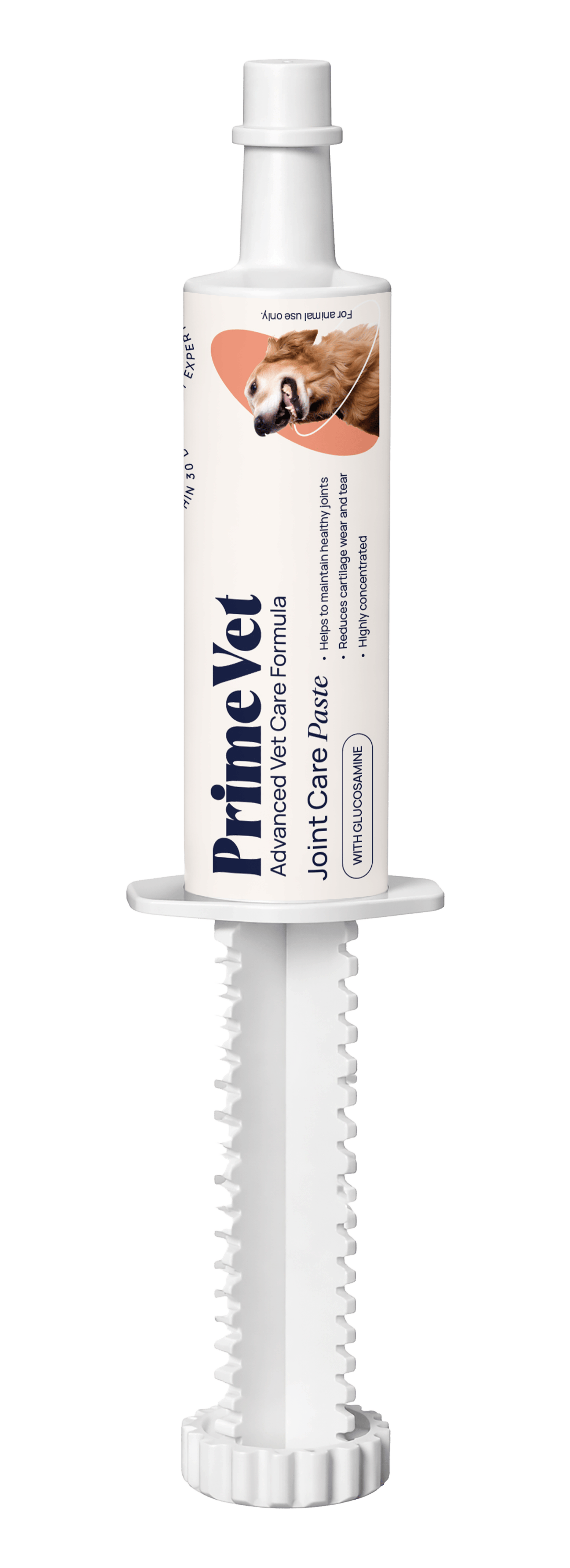
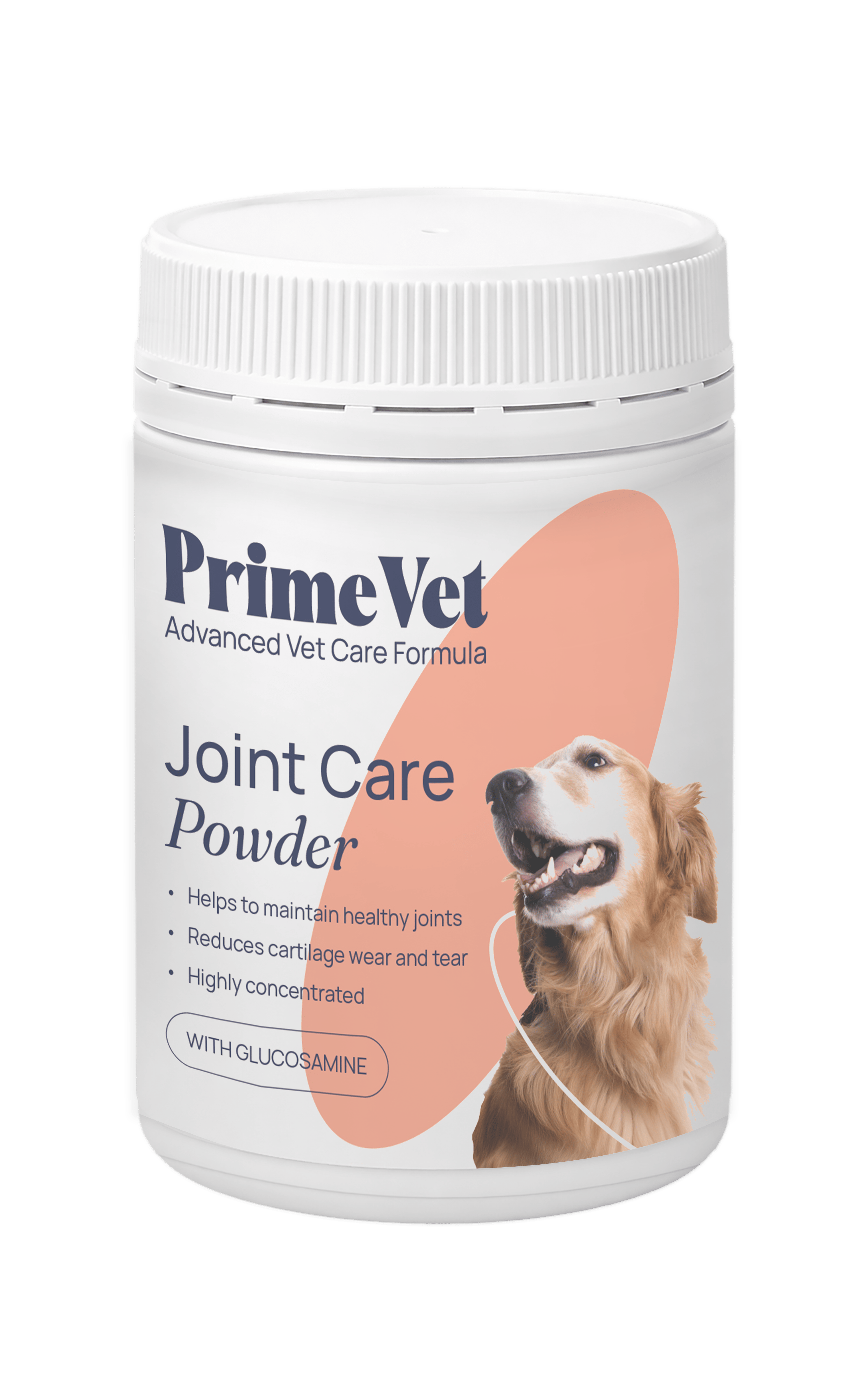
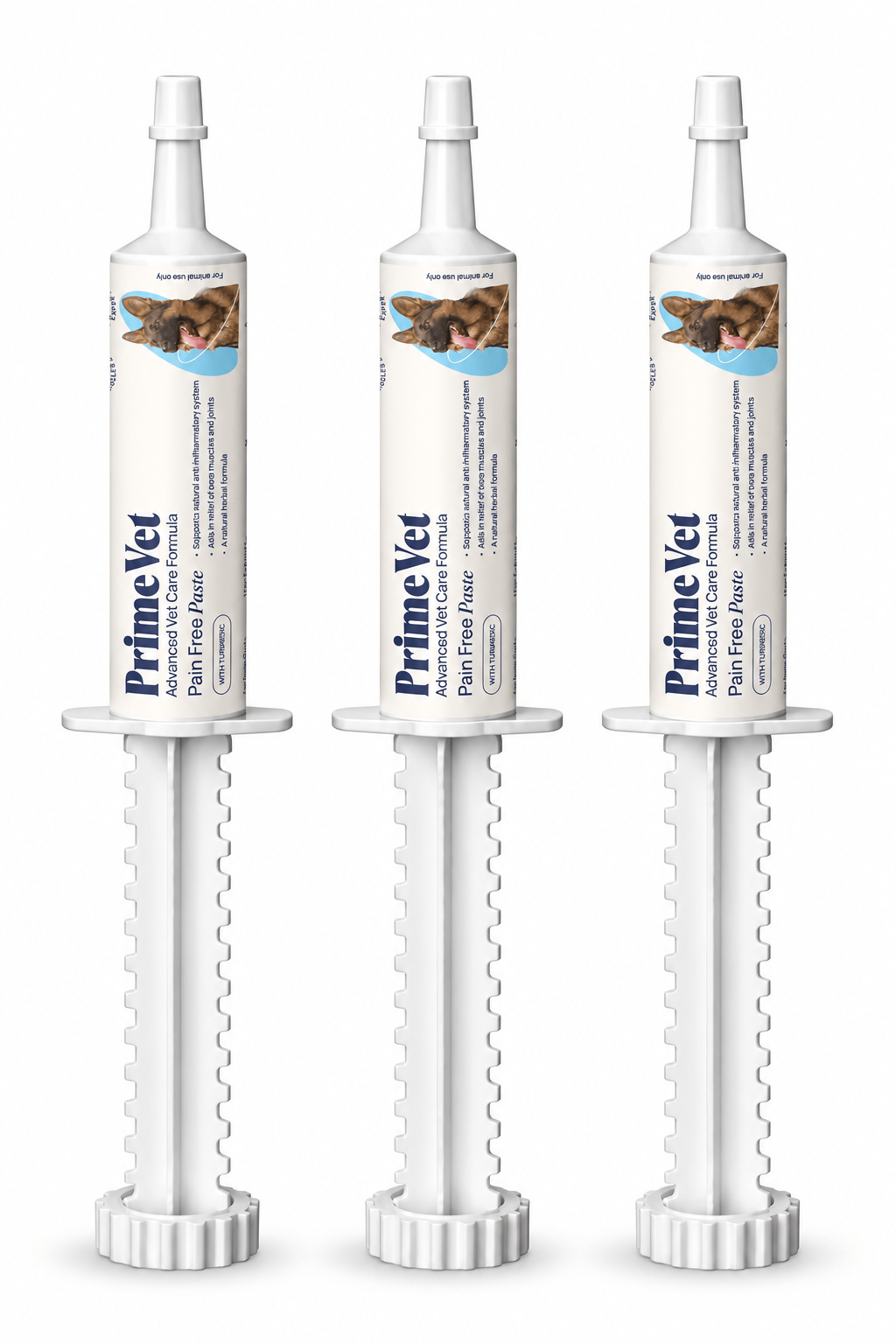
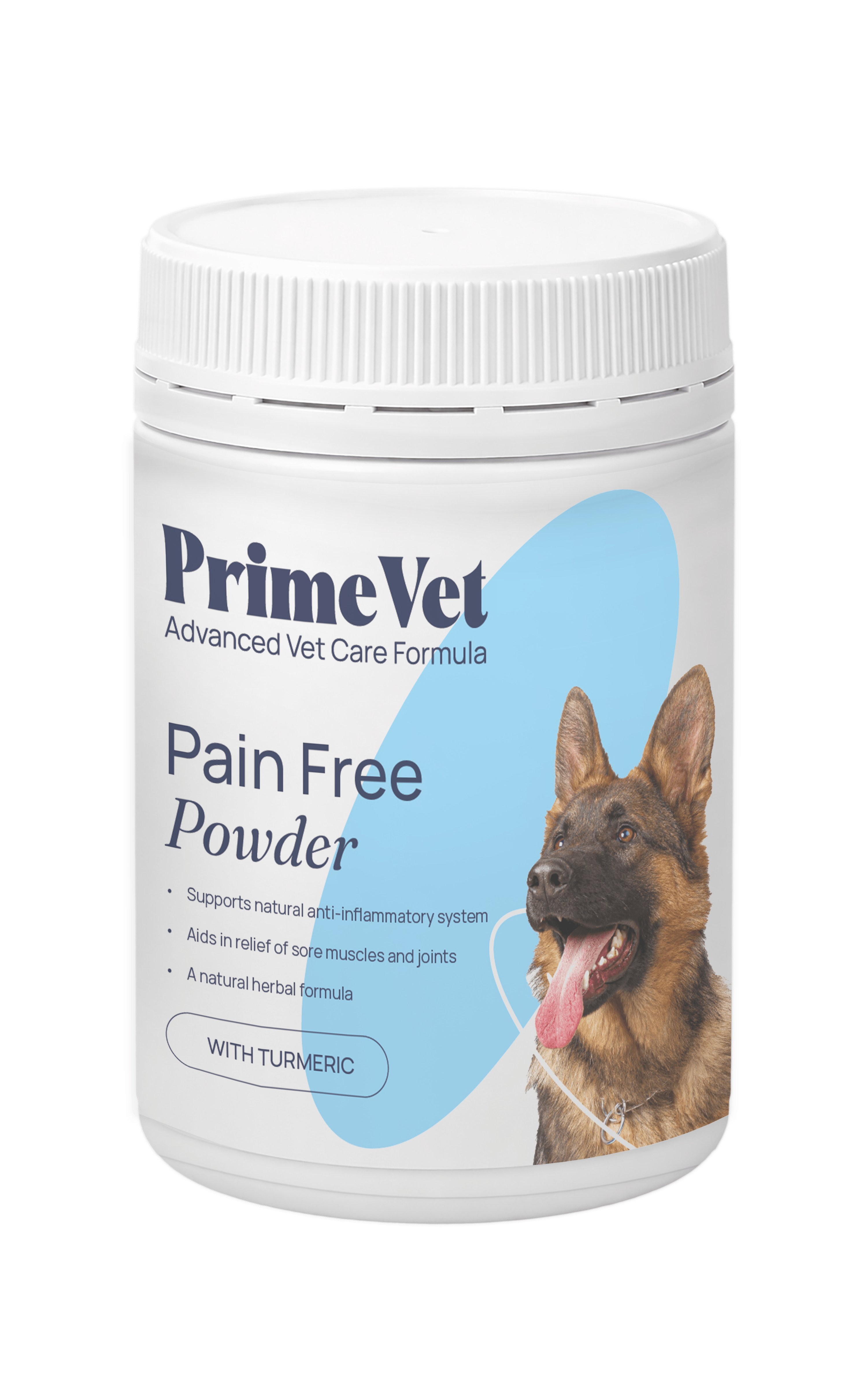
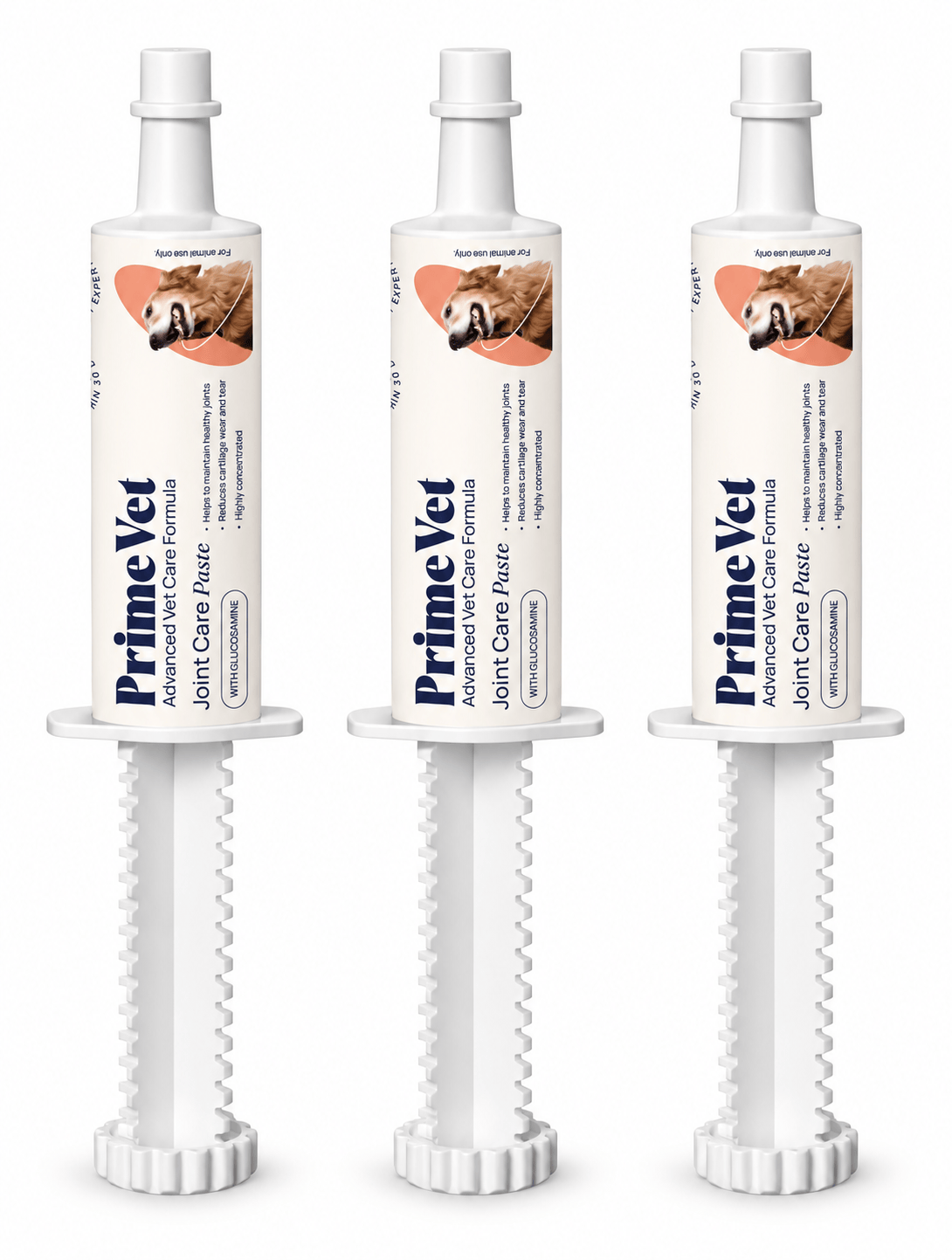
Joint stiffness after work is where senior horse joint supplements earn their place. Browse joint care and mobility products for dogs.
What to look for:
- Glucosamine and collagen
- Consistent daily dosing, not occasional top-ups
- A formulation backed by veterinary input
Step 5: Use Turnout and In-Hand Walking for Voluntary Movement
Turnout management does more for an older horse than most owners realise. Voluntary movement, where the horse chooses its own pace, keeps joints lubricated and muscles working without load.
Aim for daily turnout where possible. If stabling is unavoidable, add in-hand walking twice a day.
Stabling versus turnout is the key decision here. Horses that move freely through the day tend to show less morning stiffness than those boxed for long stretches.
Step 6: Support Hydration, Electrolytes and Muscle Mass
Hydration and electrolyte replenishment matter more after exercise in an older horse. Muscle mass declines with age, so supporting it through nutrition and recovery is worth the effort.
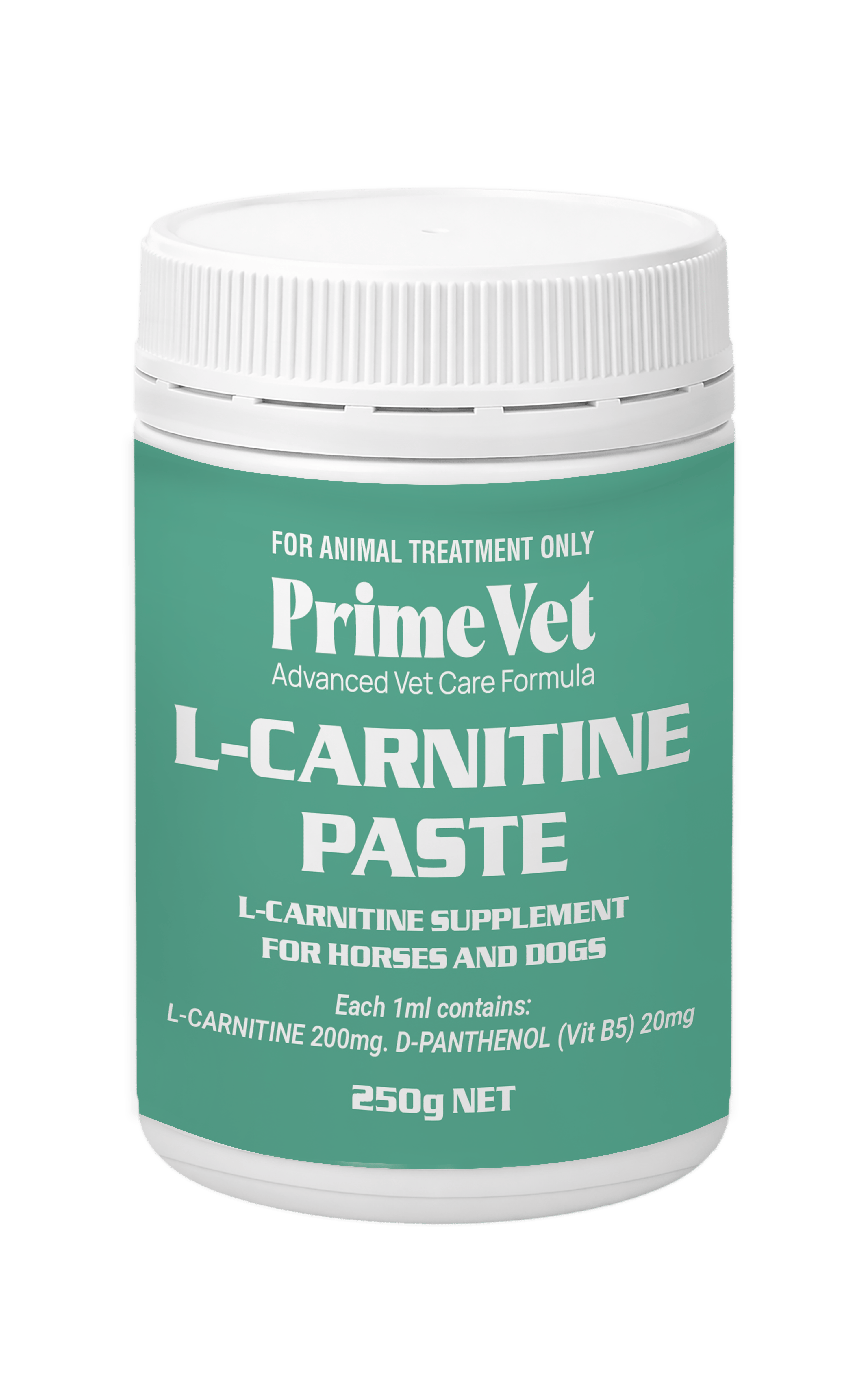
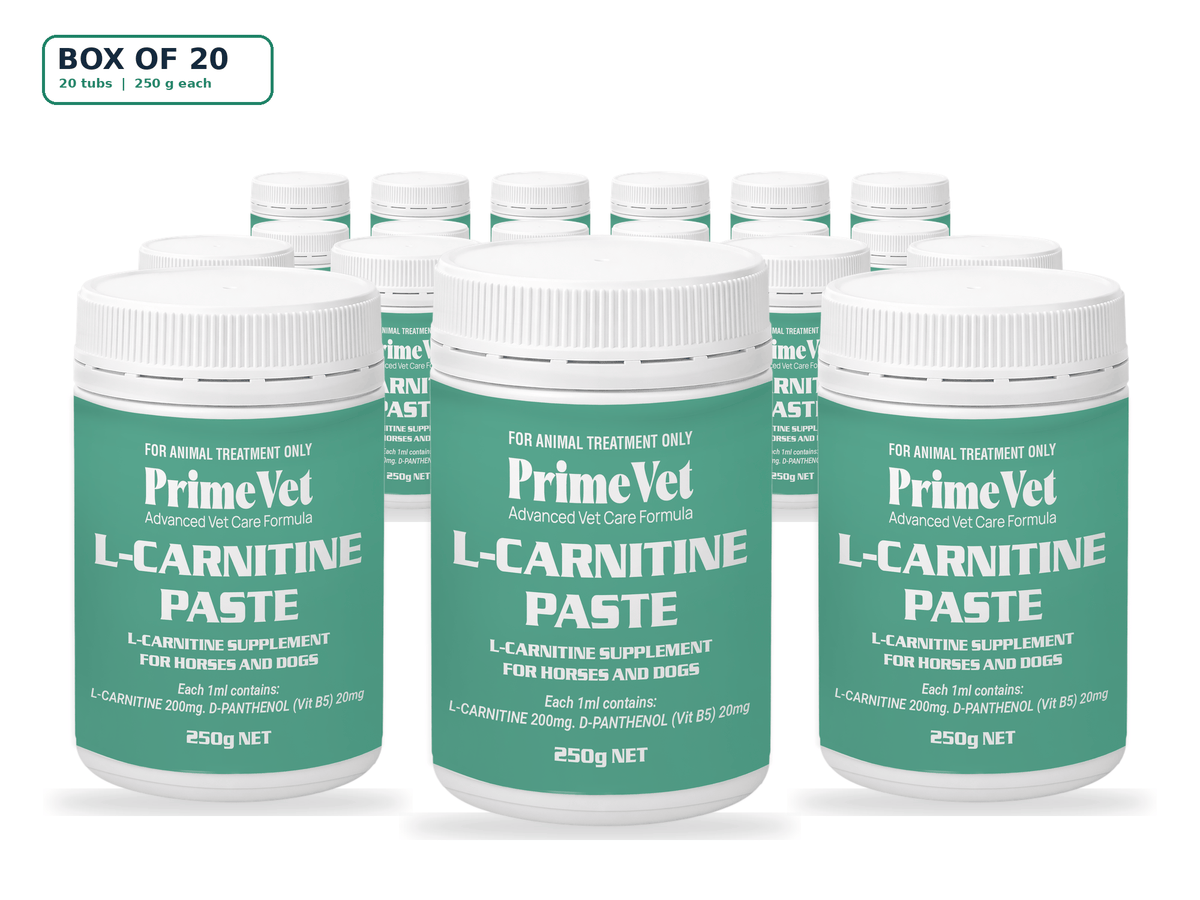
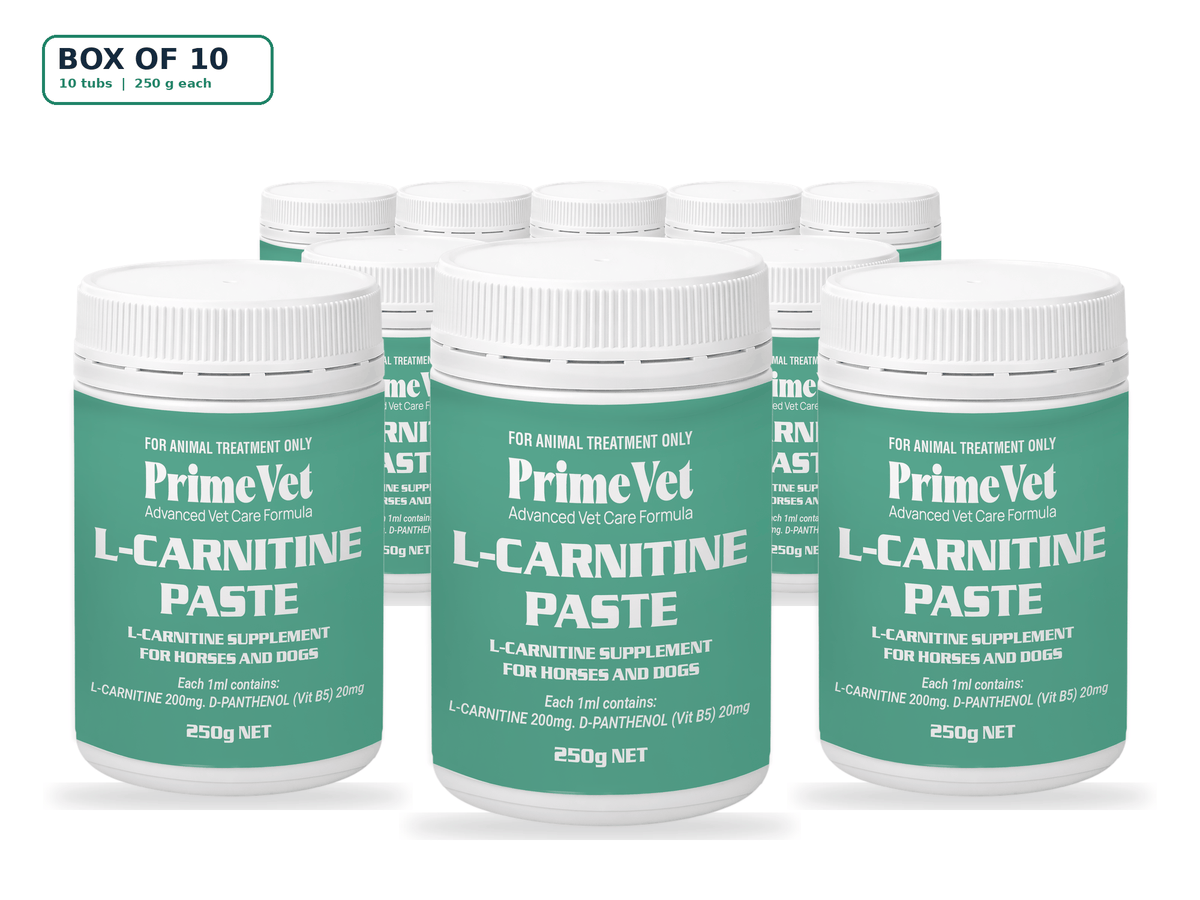
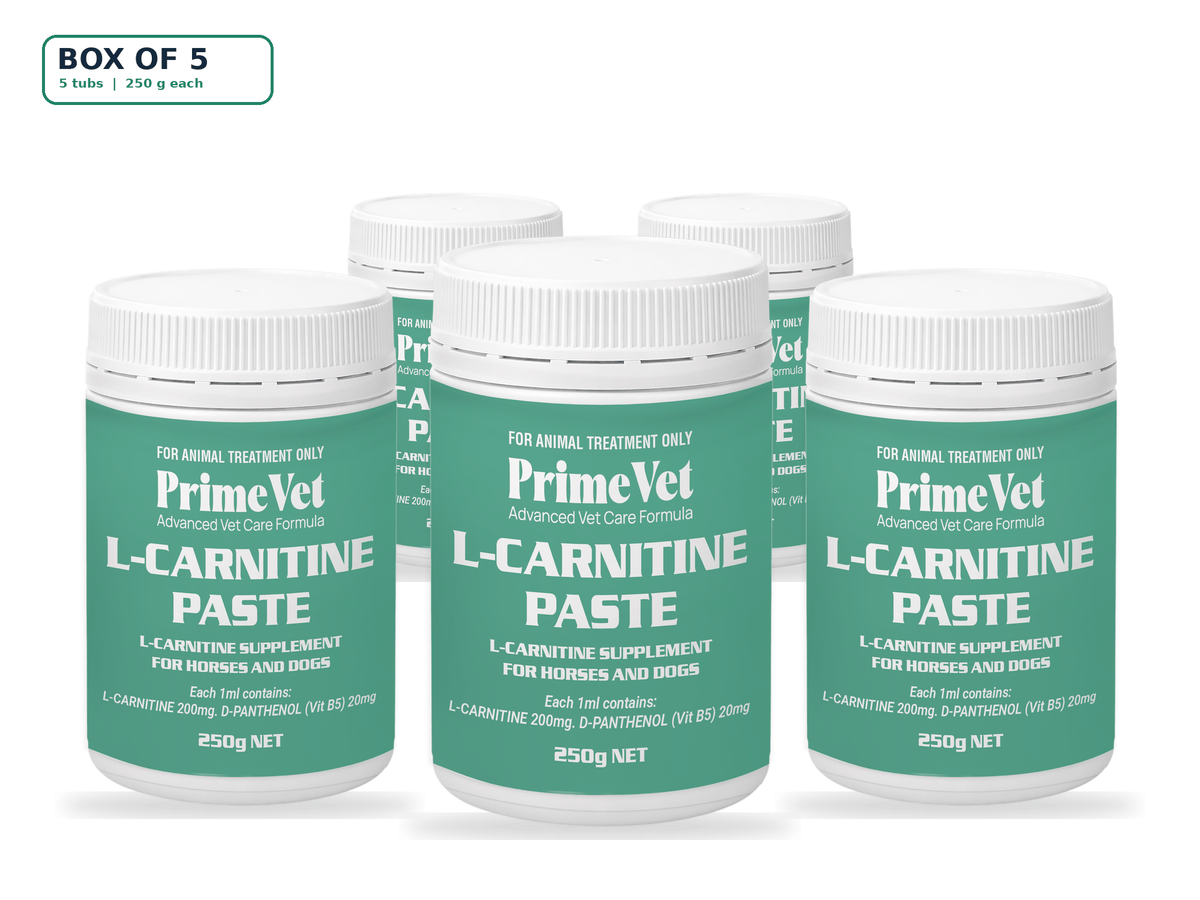
Offer water frequently and consider electrolytes after sweaty work. For stamina and lean muscle, see the L-Carnitine paste for horses and dogs.

Step 7: Add Post-Ride Physical Therapy and Seasonal Recovery Protocols
Post-ride recovery is where the biggest gains hide. Equine physiotherapy techniques, done simply and consistently, keep flexibility and mobility in check.
Owner-Led Stretches and Massage Techniques
Try these after each session, once the horse is cool and dry:
- Neck stretches: Gently encourage the horse to reach for a treat at its shoulder, holding for 5 seconds each side. Repeat three times.
- Shoulder and forelimb stretches: Lift the front leg and extend it forward slowly, holding for 5 seconds. Repeat twice per leg.
- Hindquarter releases: Stand safely to the side and apply gentle tail pulls, holding for 5 seconds. Repeat three times.
- Walking pole patterns: Set up three poles in a fan shape and walk the horse over them in hand, encouraging range of motion.
Watch out: never force a stretch or push through resistance; stop if the horse tenses or shows discomfort.
Seasonal Recovery Protocols
Older horses take longer to adjust between seasons. In summer, reduce workload during extreme heat and schedule exercise for cooler parts of the day. In winter, allow extra warm-up time, use appropriate rugs, and consider clipping if the horse sweats heavily but takes long to dry. A common pattern is to reduce workload during coat change and extreme weather, and to monitor recovery timelines more closely. Explore more recovery and care articles on the blog.
Recovery Timelines by Age Bracket
Differentiating between a 15-year-old and a 25-year-old horse's recovery needs is important. A 15-18 year old may need 1-2 days between hard sessions, a 19-22 year old 2-3 days, and a 23+ year old 3-5 days. Use these as guides, not rules, and adjust based on individual response.
| Age bracket | Recovery timeline | Key focus |
|---|---|---|
| 15-18 years | 1-2 days | Warm-up and cool-down consistency |
| 19-22 years | 2-3 days | Joint support and turnout |
| 23+ years | 3-5 days | Light work, physiotherapy and rest |
Frequently Asked Questions
What are the signs of muscle soreness in senior horses after exercise?
Watch for a stiff, short-striding walk the next morning, reluctance to pick up a canter, flinching when you run a hand along the back or hindquarters, and a sour attitude when the saddle goes on. Muscle soreness often shows as a slower recovery heart rate and a horse that is quieter than usual. Compare your horse's movement before and after work, and note any change in willingness. Persistent soreness lasting more than a couple of days warrants a lameness assessment from your vet before you increase work again.
How long should an older horse cool down after a ride?
Allow at least 10 to 15 minutes of walking on a loose rein after the working phase, longer in hot weather or after harder work. The cool-down phase should continue until breathing is calm and the horse is no longer blowing hard. Check that the recovery heart rate has settled and the coat is drying before you rug. Rushing this step leaves muscles tight and slows post-ride recovery, which matters more for a veteran horse with less flexibility and muscle mass than a young one.
Are senior horse joint supplements effective for older horses post-exercise?
Look for products formulated with veterinary input and clear dosing guidance. Discuss any supplement with your vet, especially if your horse is already on medication for joint stiffness or lameness.
What dietary adjustments help senior horses recover from exercise?
Prioritise hydration and electrolyte replenishment after work, particularly in warm weather. Feed small, frequent meals rather than one large one, and keep forage available to support gut function. If your horse has lost condition or is struggling to hold weight through a work period, ask your vet or an equine nutritionist to review the ration before adding new supplements.
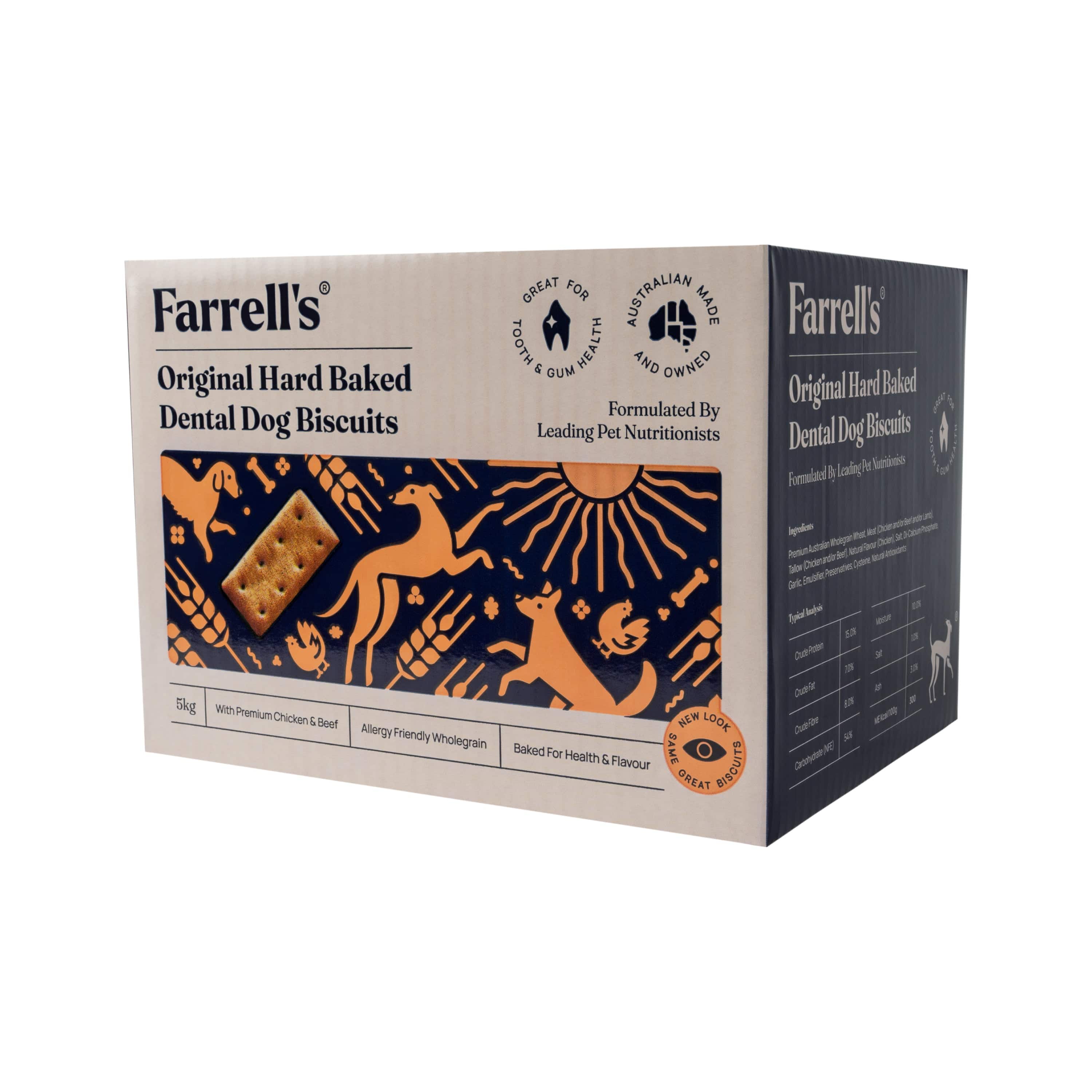
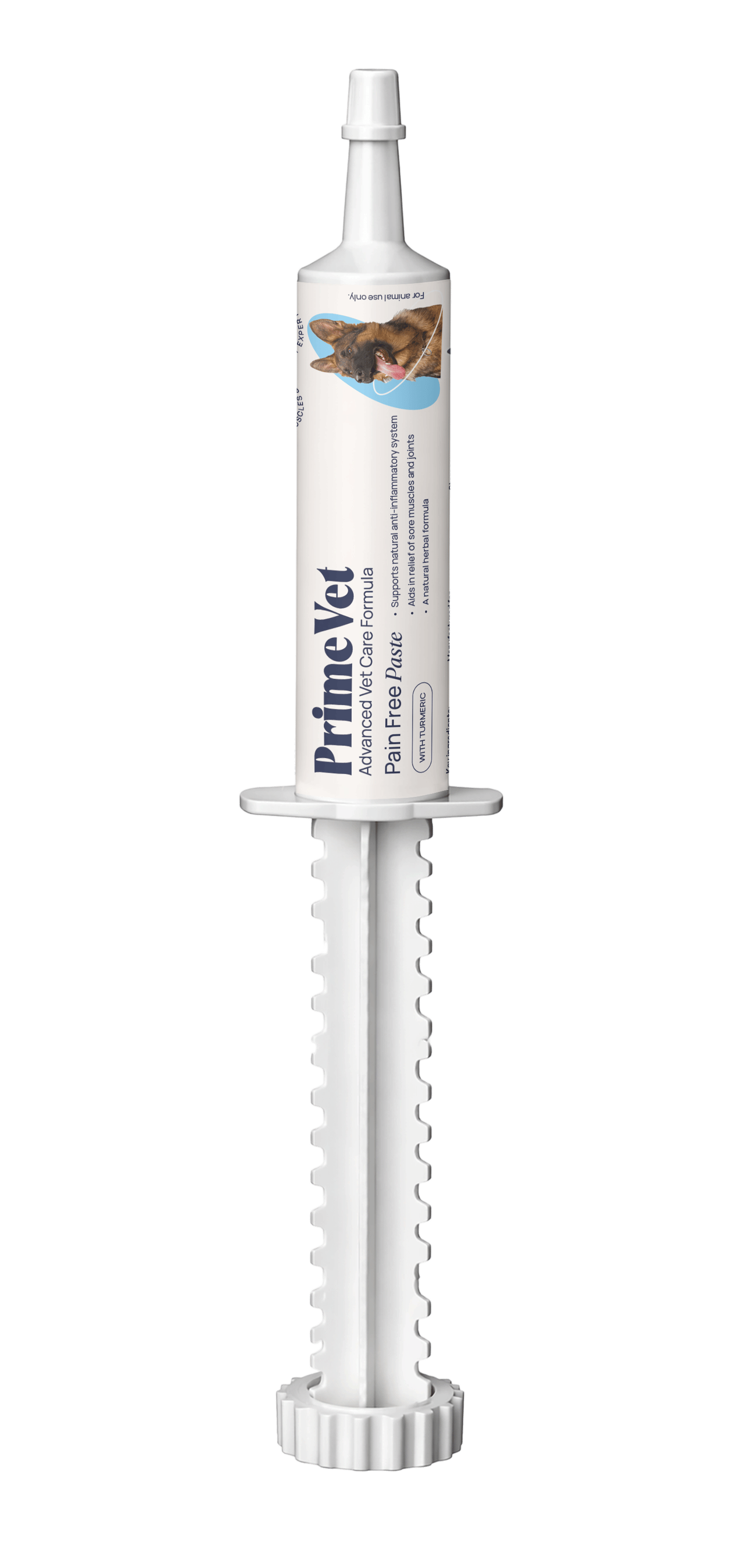
Supporting an older horse after exercise comes down to patience and consistency. If your veteran needs nutritional backup for joints, muscles and energy, Farrell's and PrimeVet can help. Our supplements are formulated by Professor David Evans BVSc PhD and veterinary nutritionists, made in small batches, and built on a heritage dating back to 1953. Get started with Farrell's and PrimeVet and give your older horse the recovery support it deserves.



Leave a comment
All comments are moderated before being published.
This site is protected by hCaptcha and the hCaptcha Privacy Policy and Terms of Service apply.