

Table of Contents
- What Working Dog Supplements Can and Cannot Do
- Quick Comparison: Performance Supplements for Working Dogs
- Dog Supplements for Stamina and Energy Metabolism
- Dog Muscle Recovery Supplements for Training and Competition
- Dog Joint Supplements: Protecting Mobility Under Workload
- Glucosamine for Dogs: Reading the Dose, Not Just the Label
- How to Choose and Time Supplements by Workload
- Conclusion
- Frequently Asked Questions
Last Updated: October 21, 2026
What Working Dog Supplements Can and Cannot Do
Performance supplements for working dogs support what a good diet already starts: energy metabolism, muscle function, joint comfort and recovery after hard effort. They cannot fix a poor diet, an untreated injury or a training program that outruns the dog's condition. That distinction matters more than any label claim.
At Farrell's and PrimeVet, we have formulated animal nutrition since 1953, and the pattern we see repeatedly is owners buying supplements to solve problems that belong with a vet or a feeding plan. A supplement is a support tool, not a treatment.
Owners should know which products sit inside the Australian Pesticides and Veterinary Medicines Authority's framework for veterinary medicines and agricultural chemicals, and which are sold as nutritional support. Ask before you assume.
Quick Comparison: Performance Supplements for Working Dogs
The table below matches our range to the job you need done. Use it to narrow the shortlist before reading the detail.
Product |
Primary role |
Key actives |
Price |
Best for |
|---|---|---|---|---|
Energy metabolism and post-exercise recovery |
L-Carnitine 200 mg/mL, Vitamin B5 20 mg/mL |
$179.00 |
Dogs and horses in training or competition |
|
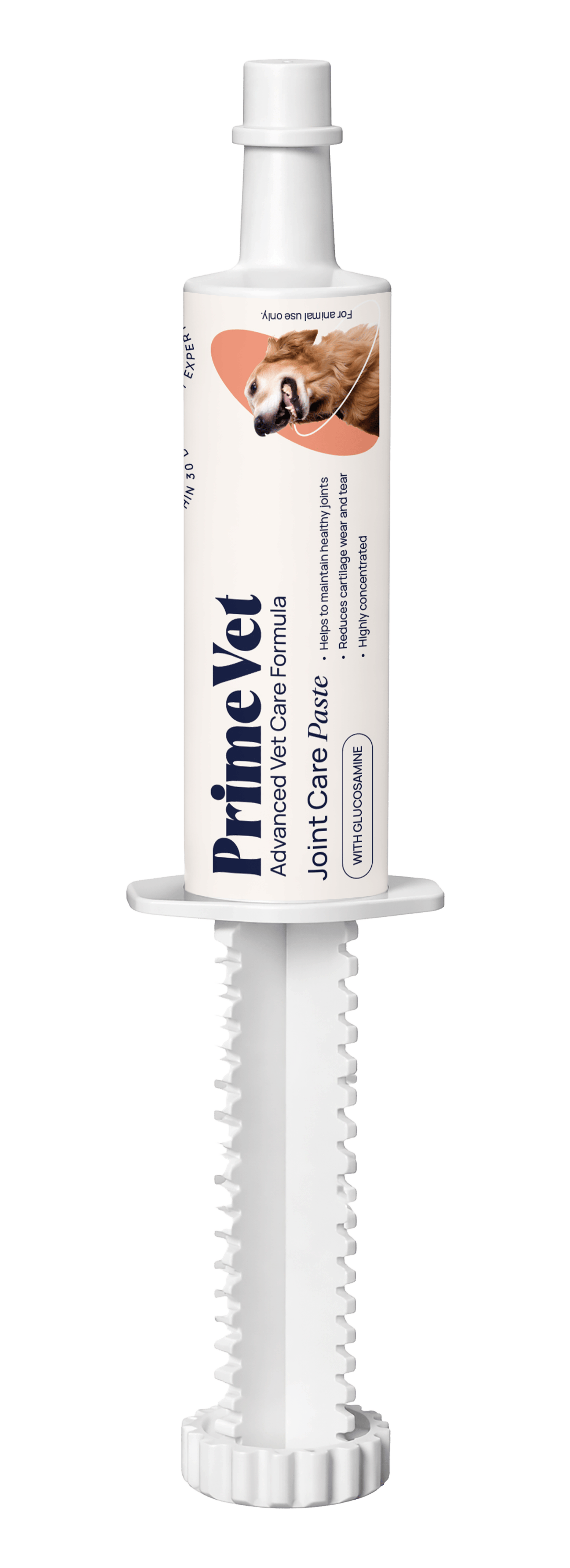
PrimeVet Joint Care Powder 150g |
Long-term joint support |
Glucosamine 553.2g/kg, MSM 96g/kg, Chondroitin 28.8g/kg |
$79.95 |
Daily joint care over months |
PrimeVet Joint Care Paste 60ml |
Concentrated daily joint support |
Glucosamine, Chondroitin, MSM, Hyaluronic Acid, Collagen |
$59.95 |
Dogs that resist powders |
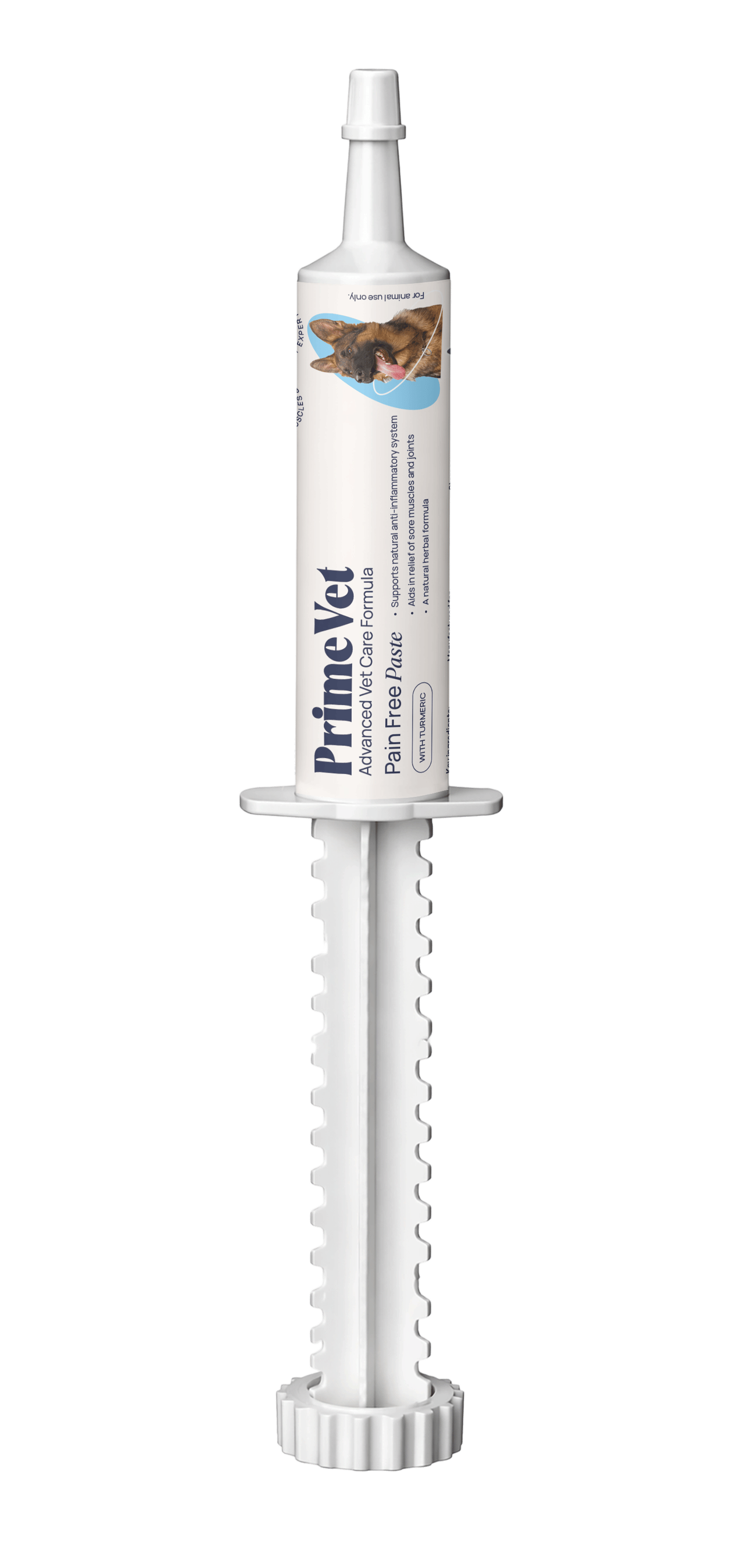
PrimeVet Pain Free Powder 150g |
Comfort before and after activity |
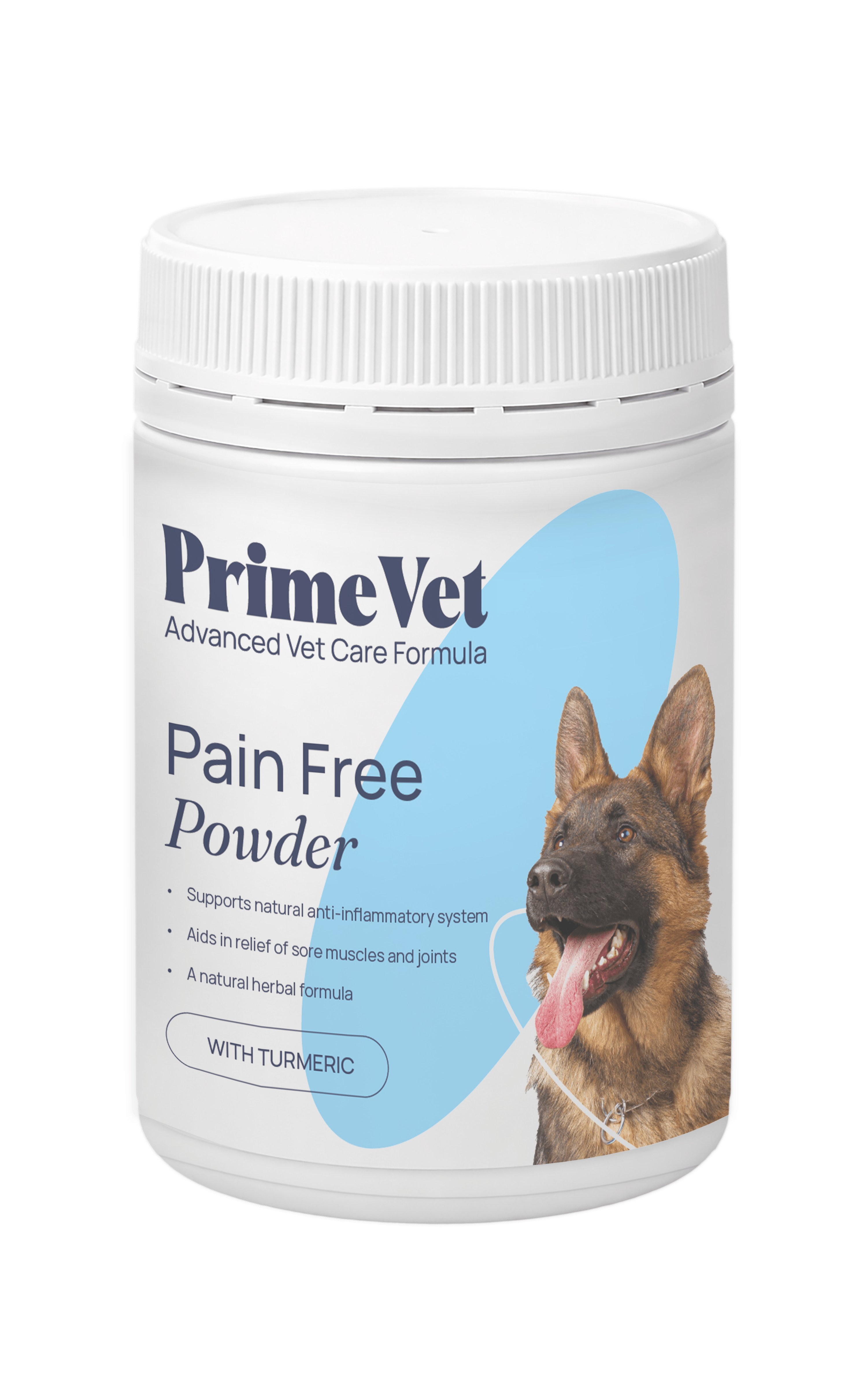
Turmeric, Celery, Skullcap, Passiflora, Magnolia Bark, Jamaican Dogwood |
$134.95 |
Sore joints and exercise-induced stiffness |
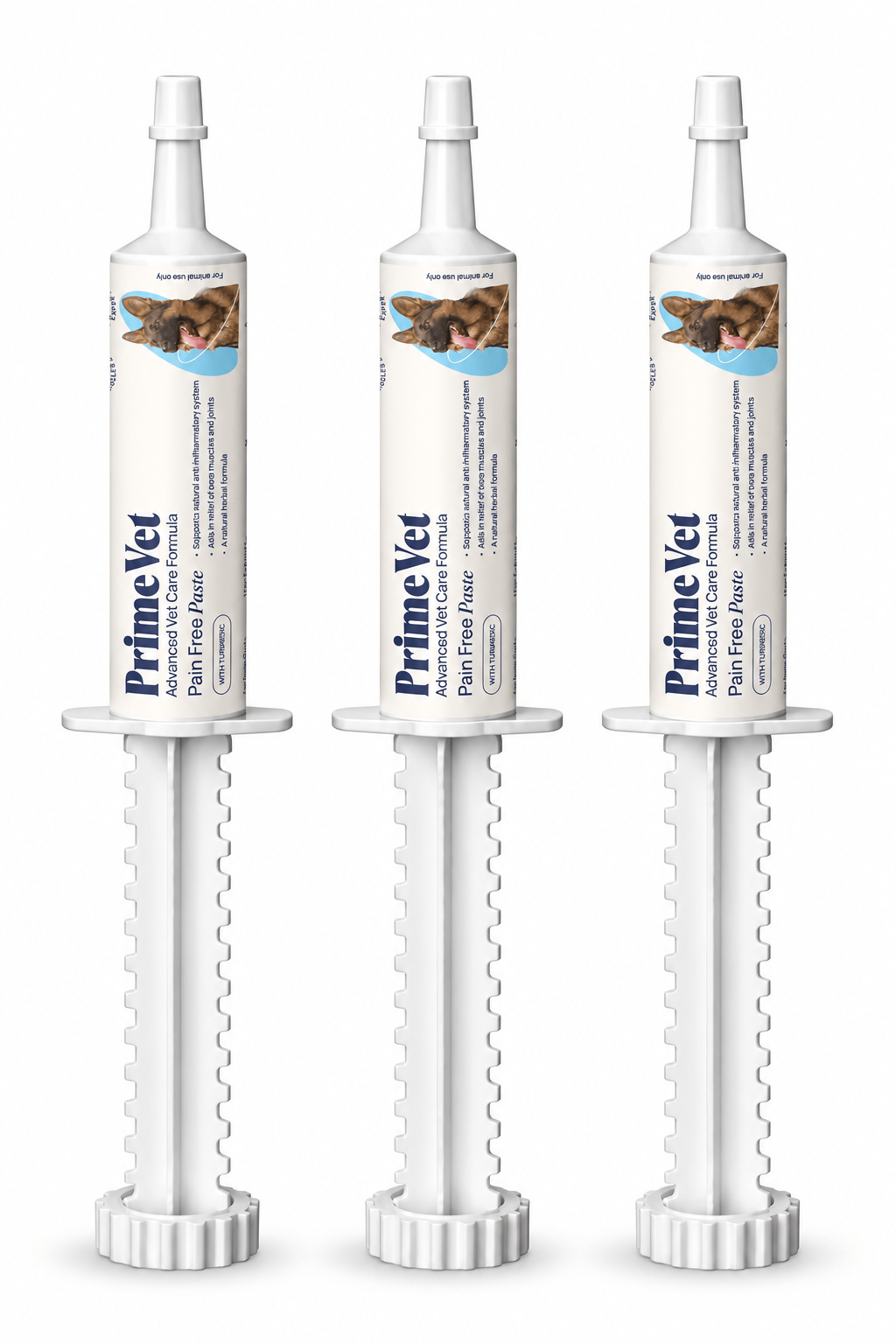
PrimeVet Pain Free Paste 3 x 32ml |
Targeted comfort support |
Same herbal blend as the powder |
$134.50 |
Travel, events and dosing on the move |
Dog Supplements for Stamina and Energy Metabolism
Stamina support comes down to how efficiently a dog converts fat and carbohydrate into usable energy. L-carnitine carries fatty acids into the mitochondria, and that is the mechanism behind most endurance-oriented products.

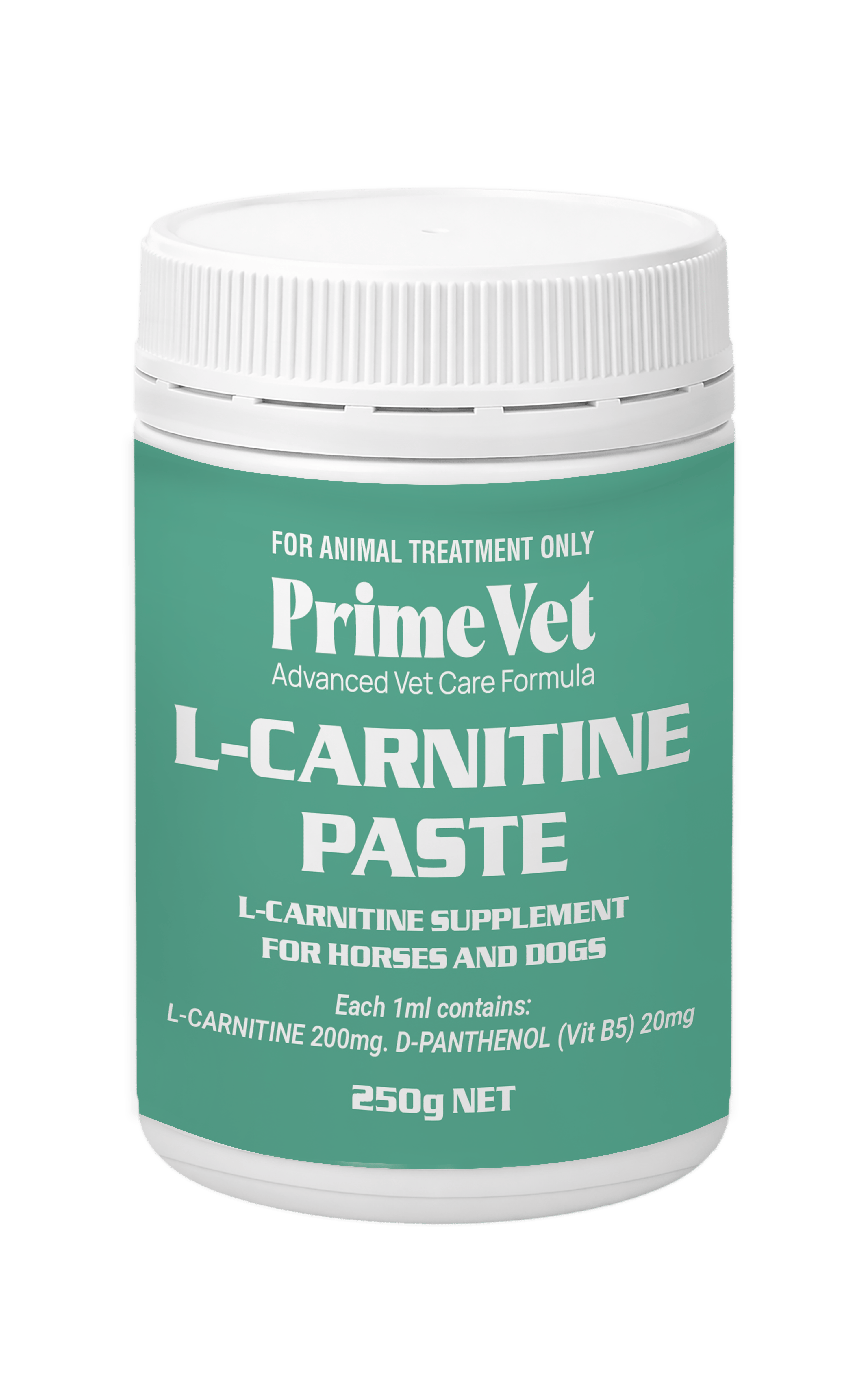
Our PrimeVet L-Carnitine Paste delivers 200 mg of L-carnitine and 20 mg of Vitamin B5 per millilitre, in a paste built for training blocks and competition days. It is a practical format when a dog is away from home and a scoop of powder is inconvenient.
What it will not do is replace conditioning. A greyhound or herding dog builds stamina through progressive work, and supplementation supports that base rather than substituting for it.
Dog Muscle Recovery Supplements for Training and Competition

Recovery support is about giving muscles the raw material to repair and helping the dog return to work without cumulative fatigue. Post-exercise recovery is where thoughtful supplementation earns its place in a working dog's routine.
The L-Carnitine Paste is our pick here because it lists post-exercise recovery and healthy muscle function among its supported uses, alongside energy metabolism. Timing matters: give it consistently through a training block rather than sporadically after a big day.
Look at workload honestly. A dog working twice a week and a dog working twice a day have different recovery demands. Muscle support is not a substitute for rest days.
Dog Joint Supplements: Protecting Mobility Under Workload
Mobility is the first thing working dog owners notice slipping, and joint health is where the supplement market is most crowded and least clear. Glucosamine, chondroitin and MSM are the standard actives, and dose is what separates a useful product from a decorative one.
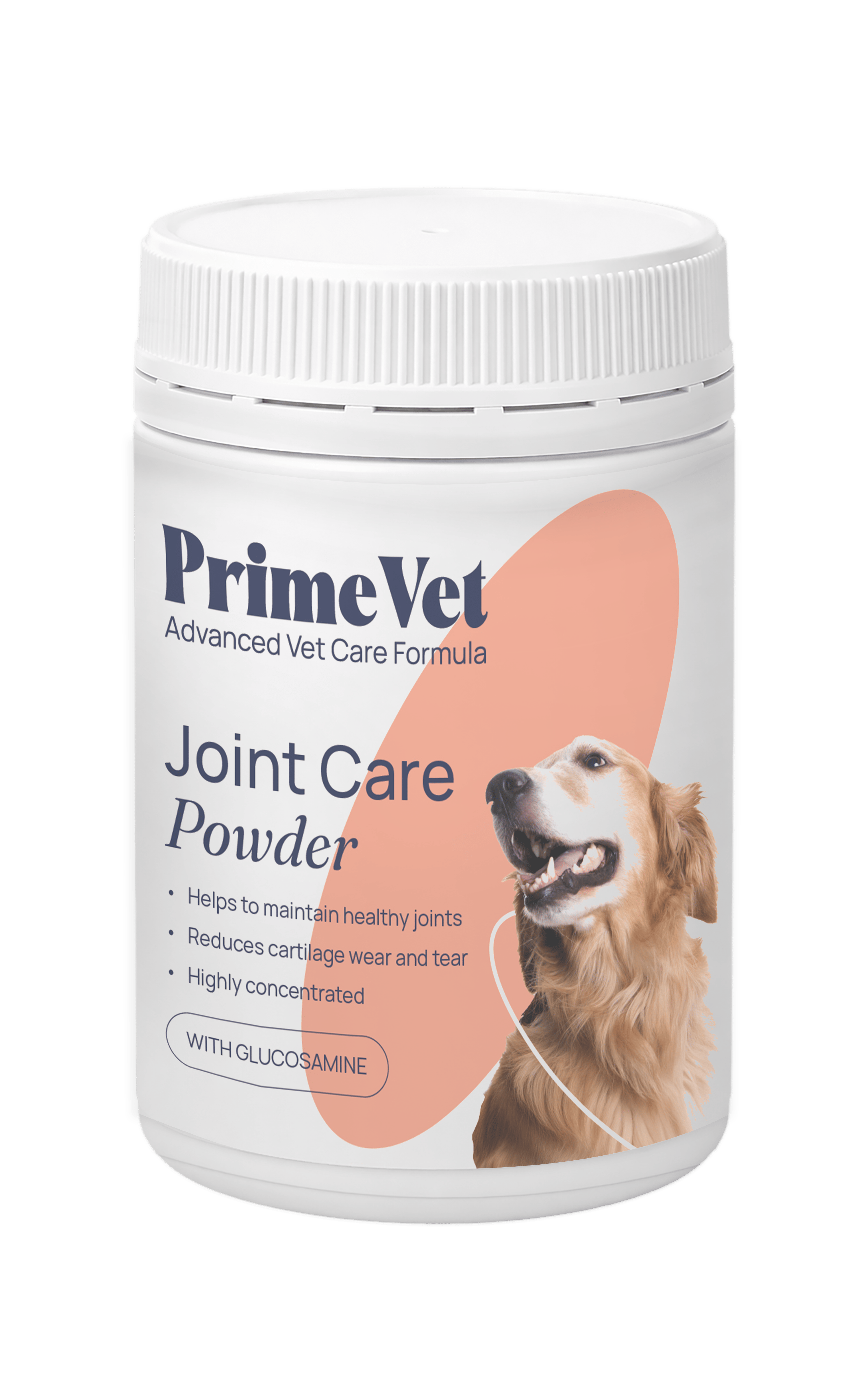
Our PrimeVet Joint Care Powder pairs Glucosamine at 553.2g/kg with MSM at 96g/kg, Chondroitin Sulphate at 28.8g/kg, plus Hyaluronic Acid, Collagen and a range of amino acids. It is a 30-day supply at $79.95, which is the format we recommend for dogs on long-term joint care.

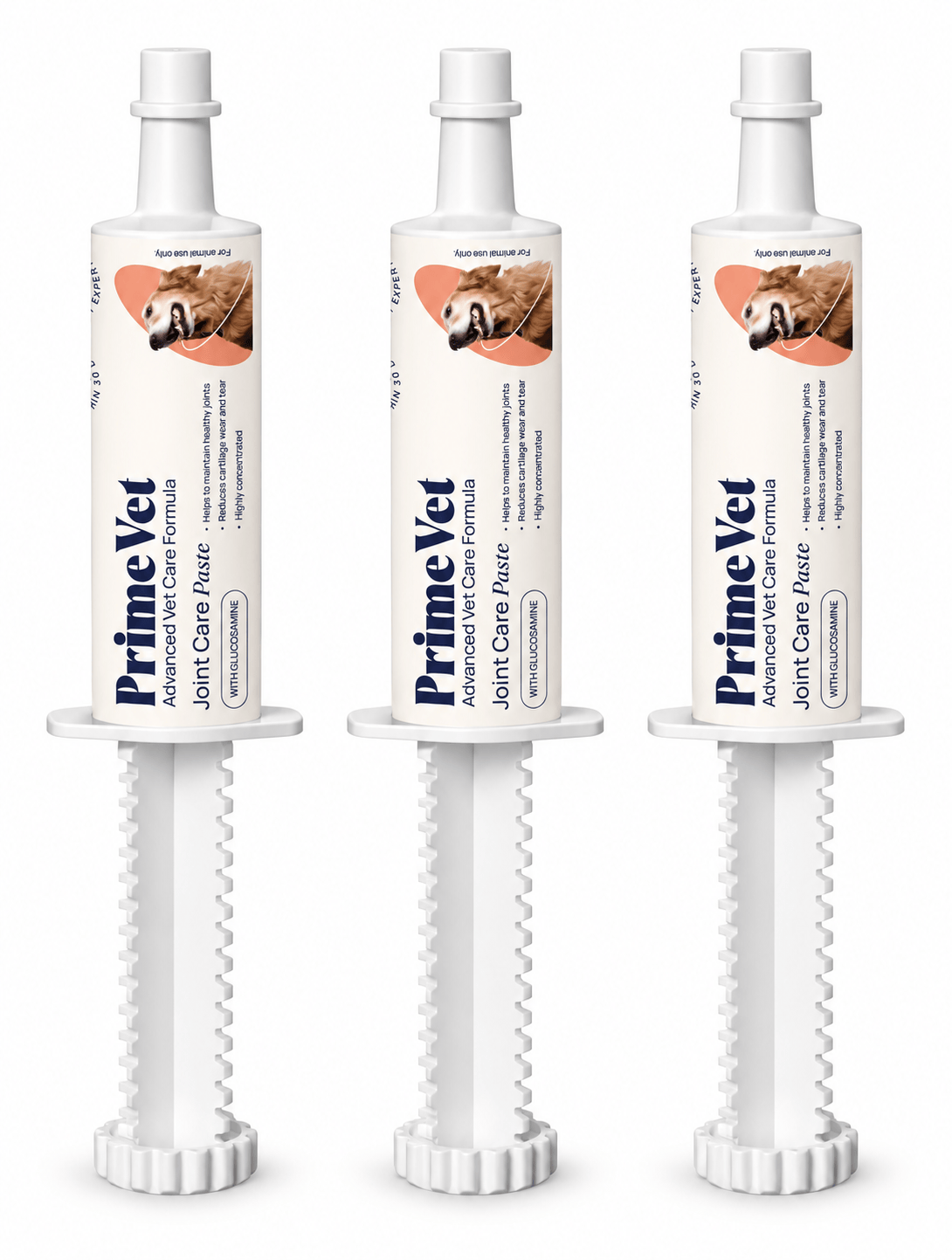
The Joint Care Paste at $59.95 carries the same core actives in a concentrated paste. For dogs that turn their nose up at powder, the paste solves a real problem: a supplement the dog refuses is worth nothing.
Glucosamine for Dogs: Reading the Dose, Not Just the Label
Glucosamine for dogs only helps if the amount is meaningful and the product is given consistently. A label that lists glucosamine without a quantity tells you nothing about whether the dose will do anything. Reading the label properly is the skill most owners are missing.
PrimeVet™ L-Carnitine Paste for Horses and Dogs 250g →
Compare concentration, not marketing language
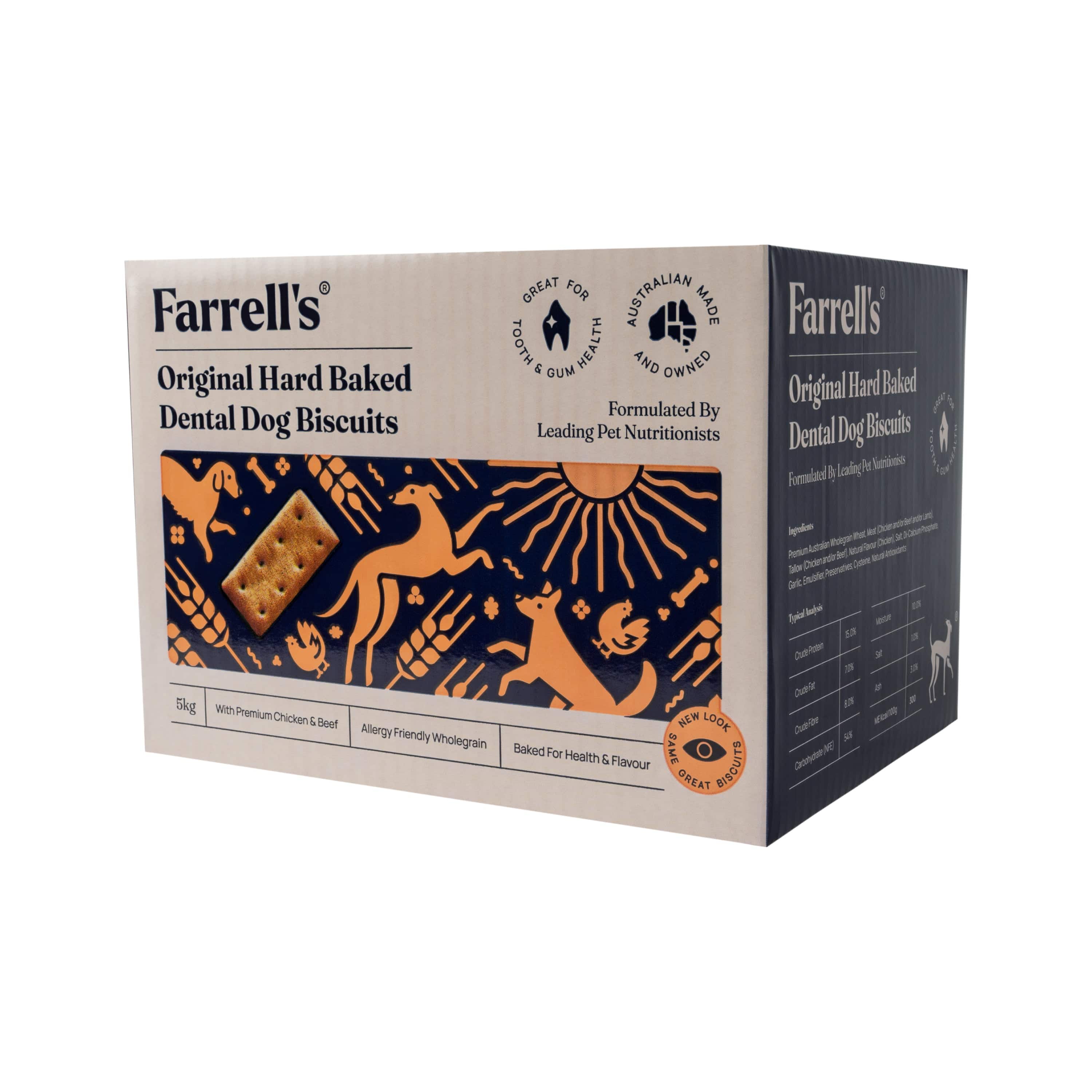
Compare products on grams per kilogram, not on front-of-pack claims. Our Joint Care Powder states Glucosamine at 553.2g/kg, MSM at 96g/kg and Chondroitin Sulphate at 28.8g/kg, which lets you see exactly what concentration you are buying and compare it against anything else on the shelf. A product that lists an ingredient but not its inclusion rate is asking you to trust it rather than check it.

A practical label checklist
- Named actives with quantities: every active should have a stated amount per kilogram or per dose.
- A dose you can follow: the label should tell you how much to give by body weight, not just "one scoop".
- Format the dog will take: a supplement the dog refuses is worth nothing, so powder, paste and chew formats are not interchangeable in practice.
- Quality and testing signals: look for a manufacturer willing to state how it tests ingredients and finished product. Vague quality claims are a warning sign.
- Claims that match the evidence: joint support is a reasonable use; claims to cure arthritis or replace veterinary treatment are not.
What the evidence supports, and what it does not
Glucosamine, chondroitin and MSM are widely used for joint support, and many practitioners find them helpful for comfort and mobility over weeks rather than days. The evidence is mixed and product quality varies, so treat them as support rather than treatment. Omega-3 fatty acids are another commonly used option for inflammation support (pubmed.ncbi.nlm.nih.gov). None of these replaces a diagnosis.
Consistency beats intensity
Joint support builds over weeks, not days, and stopping and starting wastes money. If you cannot commit to daily dosing for a season, fix that before you buy. Judge a joint product on three things: stated concentration, a format your dog will actually take, and a price you can sustain for months.
How to Choose and Time Supplements by Workload
Choosing well starts with the dog's job, not the product shelf. A detection dog, a herding dog and a sled dog do not place the same demands on their bodies, so a single "active dog" formula is a compromise at best. Match the supplement to the work the dog actually does, then confirm the format and dose fit your routine.
Match the supplement to the role
- Detection and scent work: long periods of focus and standing, often in heat or on hard surfaces. Joint comfort and sustained energy matter more than explosive recovery.
- Herding: repeated bursts of sprinting, turning and stopping, plus long days on uneven ground. Joint support, muscle recovery and comfort before and after work are the priorities.
- Hunting and field work: intermittent high-intensity effort across varied terrain, often in poor weather. Recovery support and general conditioning hold up better than stimulant-style energy products.
- Sled and drafting: sustained pulling against load, which stresses muscles, joints and paws. Energy metabolism and recovery support are central, and workload should be built progressively.
- Service and assistance work: steady daily activity rather than peak exertion. General nutrition and long-term joint care usually outweigh recovery products.
Time it around effort, not the calendar
Joint products work on accumulation, so give them daily and consistently rather than in bursts. Recovery and comfort products sit around effort, before or after activity, as the label directs. Energy products are best introduced during a training block, not on a competition day, so any reaction shows up at home with time to adjust.
Dose should follow body weight and the label, not a guess. If a product gives a range, start at the lower end and only increase if the dog tolerates it and the workload justifies it. A dog working twice a week and a dog working twice a day have different recovery demands, and the second dog needs a vet involved in any supplement plan.
Track outcomes you can actually see
A supplement is only worth continuing if you can point to a change. Keep a simple four-week log covering workload, what was given, and how the dog moves the next morning. Look for specific signals: willingness to work on the second day, time to recover after a session, stiffness when rising, and appetite. If nothing changes in four to six weeks at a sensible dose, stop and reassess rather than doubling up.
Conclusion
The hard part is not finding a supplement, it is matching one to a specific dog's workload and sticking with it long enough to judge the result. Most owners give up too early or buy on label claims alone.
We built our PrimeVet range for exactly this: small-batch production, formulas developed with veterinary input, and clear concentrations you can compare. The L-Carnitine Paste at $179.00, the Joint Care Powder at $79.95 and the Pain Free range give you options by role and format.
Get started with Farrell's and PrimeVet and give your working dog support built around the job it actually does.
Frequently Asked Questions
Do working dogs need supplements at all?
Not every working dog does. A complete, balanced diet covers the basics for a dog in light work. Supplements become worth discussing when workload is high, when the dog is training or competing regularly, or when joint wear is a known concern. The practical approach is to assess body condition, recovery time and mobility first, then add targeted support rather than stacking products.
What ingredients should I look for in working dog supplements?
It depends on the goal. For stamina and energy metabolism, L-carnitine is the ingredient with a clear role. For muscle recovery after exercise, look at L-carnitine paired with B-vitamin support. For joint health and mobility, glucosamine, chondroitin sulphate, MSM and hyaluronic acid are the standard combination, with green-lipped mussel and omega-3 fatty acids also appearing in joint formulas. Check that the label states actual amounts per serve, not just an ingredient list.
How long does it take for dog joint supplements to work?
Joint support ingredients such as glucosamine for dogs build up over time rather than acting immediately. Most owners and trainers assess change over four to eight weeks of consistent daily use, which is why a 30-day supply is a reasonable first trial. Keep a simple record of stiffness after exercise, willingness to jump or climb, and recovery time. If nothing changes after a full course at the correct dose, that formula is not working for that dog and is worth revisiting with your vet.
Should I ask a vet before giving my dog supplements?
Yes, and especially for a working dog. Bring the product label with you so the actual ingredient amounts can be reviewed. Veterinary guidance is the difference between targeted support and guesswork.


Leave a comment
All comments are moderated before being published.
This site is protected by hCaptcha and the hCaptcha Privacy Policy and Terms of Service apply.