

Table of Contents
- Why Racing Greyhounds Need Targeted Supplementation
- Quick Comparison: PrimeVet Performance Supplements
- Energy and Muscle Support: L-Carnitine for Racing Performance
- Greyhound Recovery Supplements After Racing
- Racing Greyhound Nutrition and Micronutrient Gaps
- Greyhound Joint Supplements for Long-Term Mobility
- Safe Supplements for Racing Dogs: Regulation and Quality
- How to Select and Dose Supplements for Your Racing Greyhound
- Frequently Asked Questions
Last Updated: October 12, 2026
Why Racing Greyhounds Need Targeted Supplementation
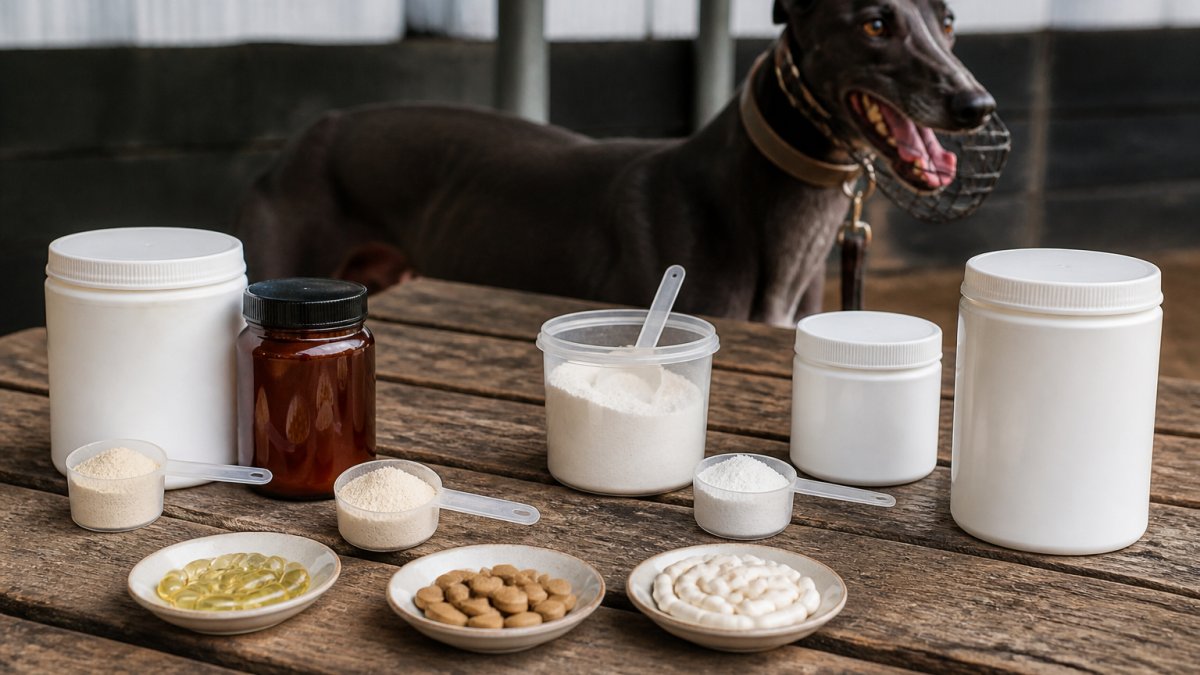
Racing greyhounds operate at the extreme edge of athletic performance. Their muscles work at intensities that create metabolic stress, electrolyte depletion, and micro-damage to joints and connective tissue, demands standard commercial pet food cannot meet. The best performance supplements for racing greyhounds address these specific physiological needs with targeted nutrition.
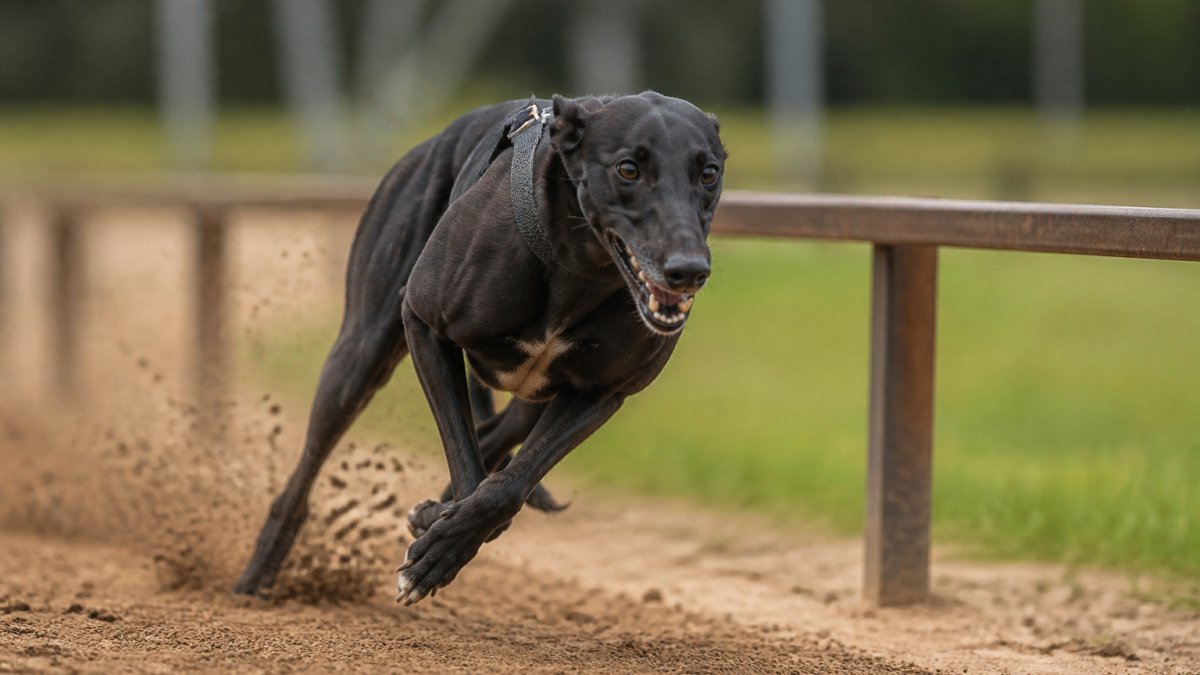
A racing greyhound's nutritional needs differ fundamentally from companion dogs. Their stable diet provides baseline calories and protein, but racing requires extra support for energy metabolism, muscle recovery, and joint integrity, making supplementation essential to competitive edge and long-term health.
At Farrell's and PrimeVet, we've formulated performance supplements specifically for racing athletes.
Quick Comparison: PrimeVet Performance Supplements
| Product | Primary Role | Format | Starting Price | Best For |
|---|---|---|---|---|
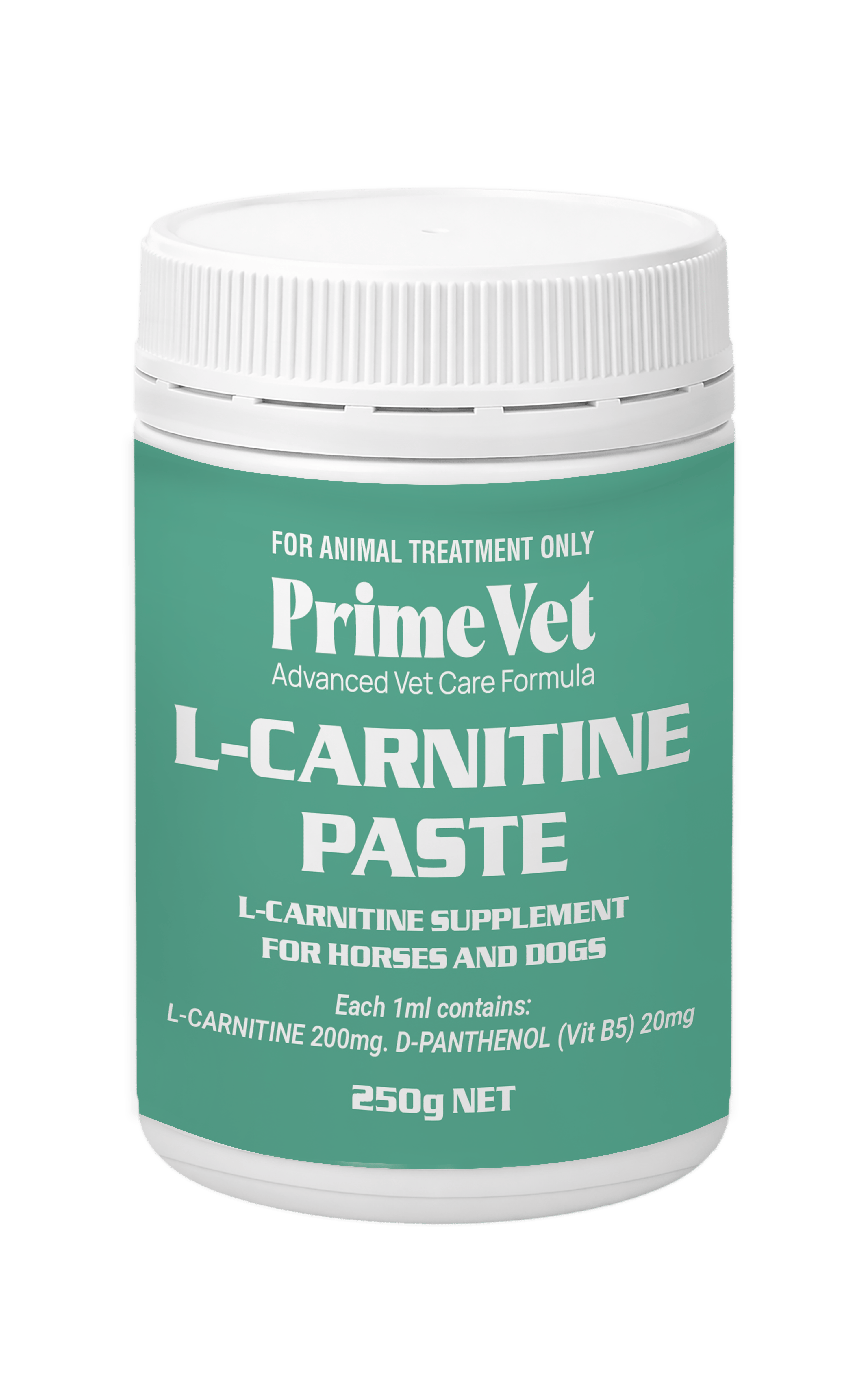
| L-Carnitine Paste | Energy and muscle support | Easy-to-administer paste | $179.00 | Racing performance and recovery |
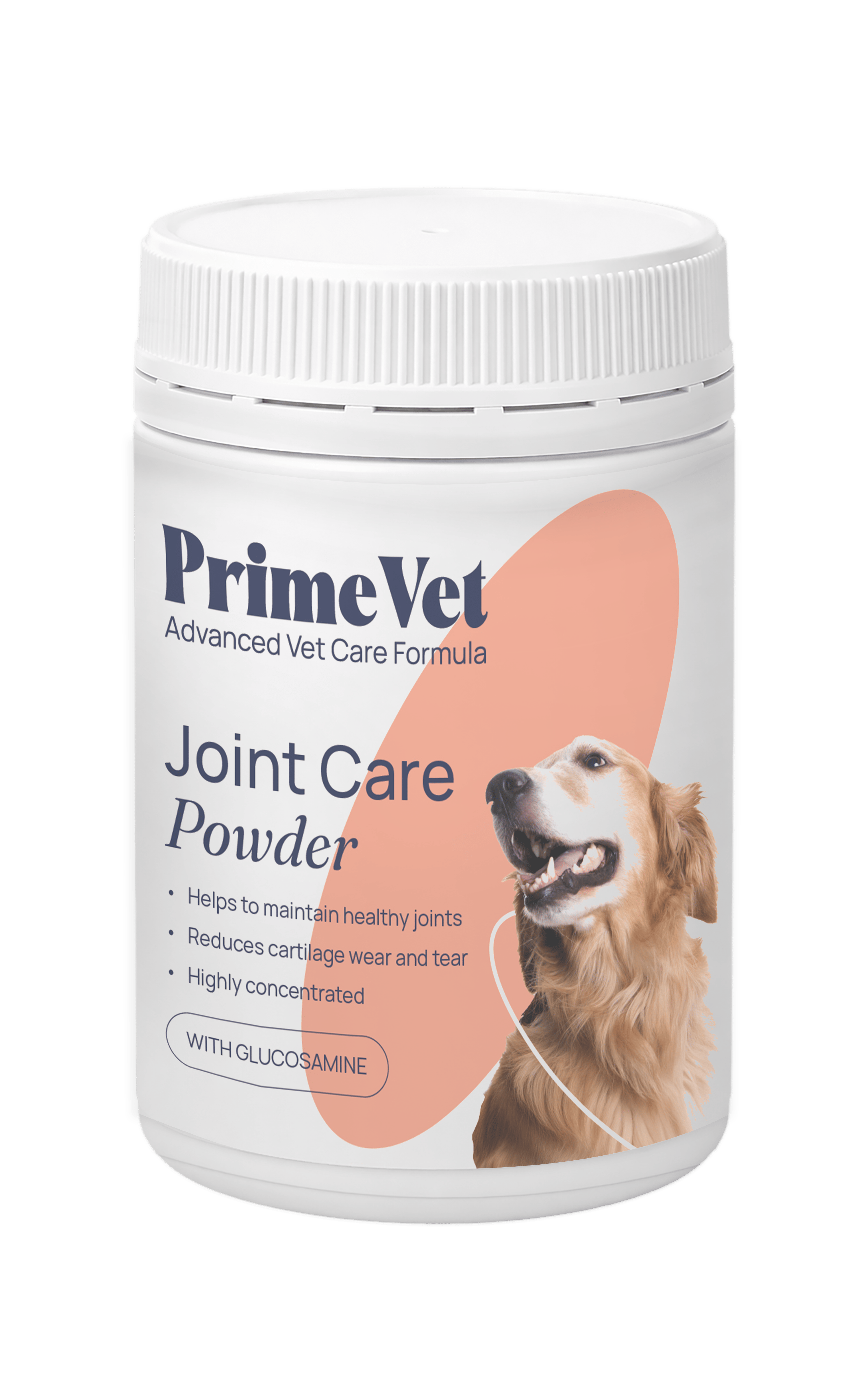
| Joint Care Powder | Joint mobility and cartilage support | Daily powder supplement | $79.95 | Long-term joint health |
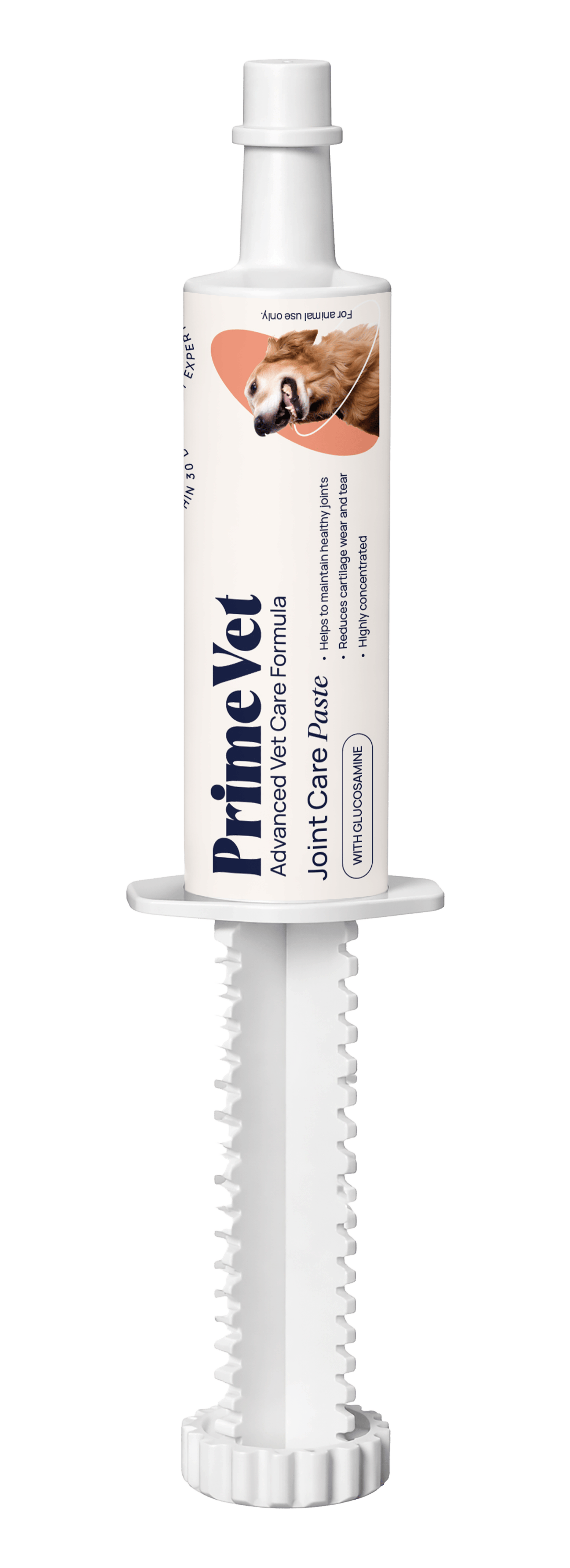
| Joint Care Paste | Joint mobility and cartilage support | Concentrated paste | $59.95 | Dogs needing targeted joint support |
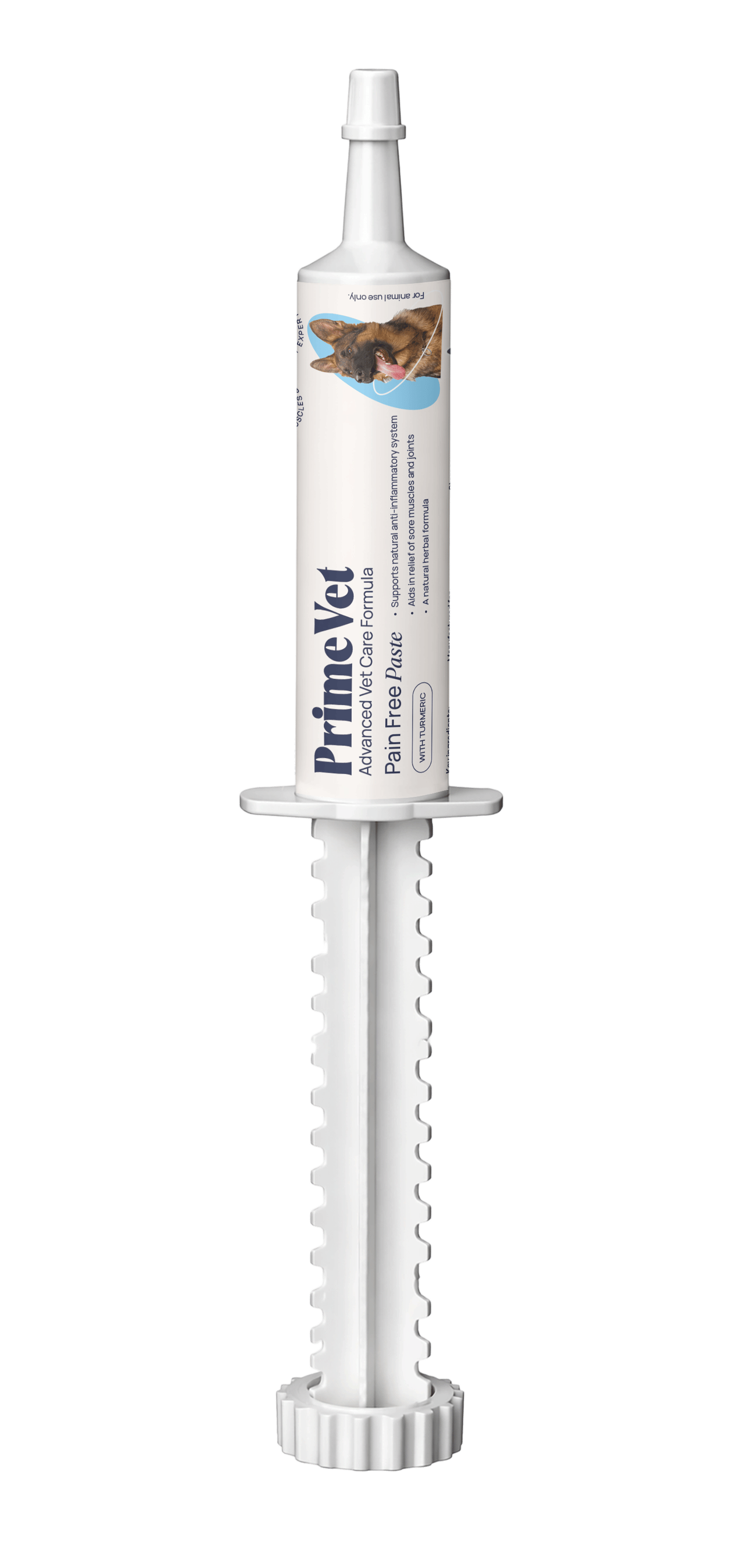
| Pain Free Powder | Comfort and mobility support | Natural herbal formula | $134.95 | Post-race soreness and inflammation |
Our range covers the three pillars of racing greyhound health: energy production, joint protection, and recovery support, each targeting a specific need without overlap.
Energy and Muscle Support: L-Carnitine for Racing Performance
L-carnitine is a naturally occurring compound that transports fatty acids into muscle cells for energy production. During high-intensity exercise, muscles burn through energy stores rapidly; L-carnitine supplementation maximises that conversion, helping your dog sustain peak performance longer and recover faster between races.
Research on L-carnitine supplementation in athletic animals
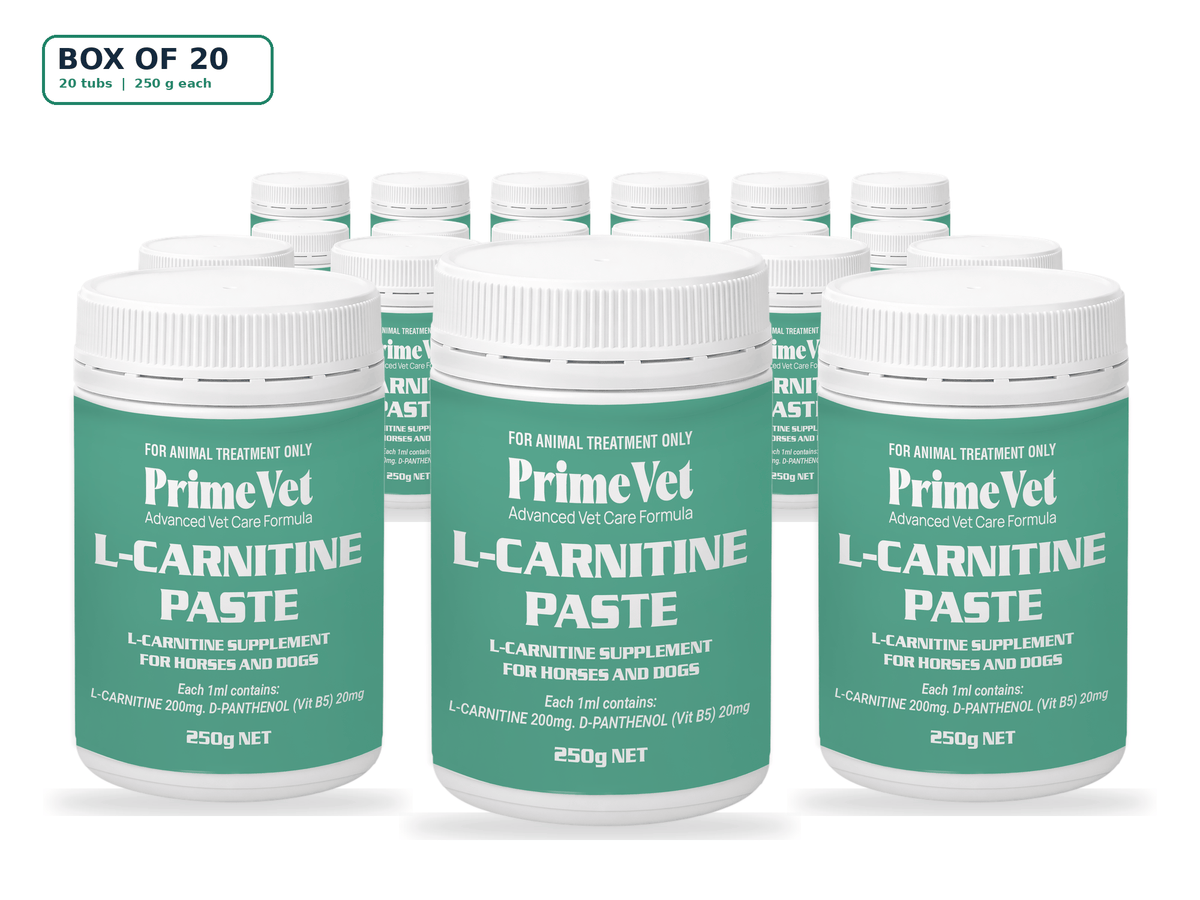
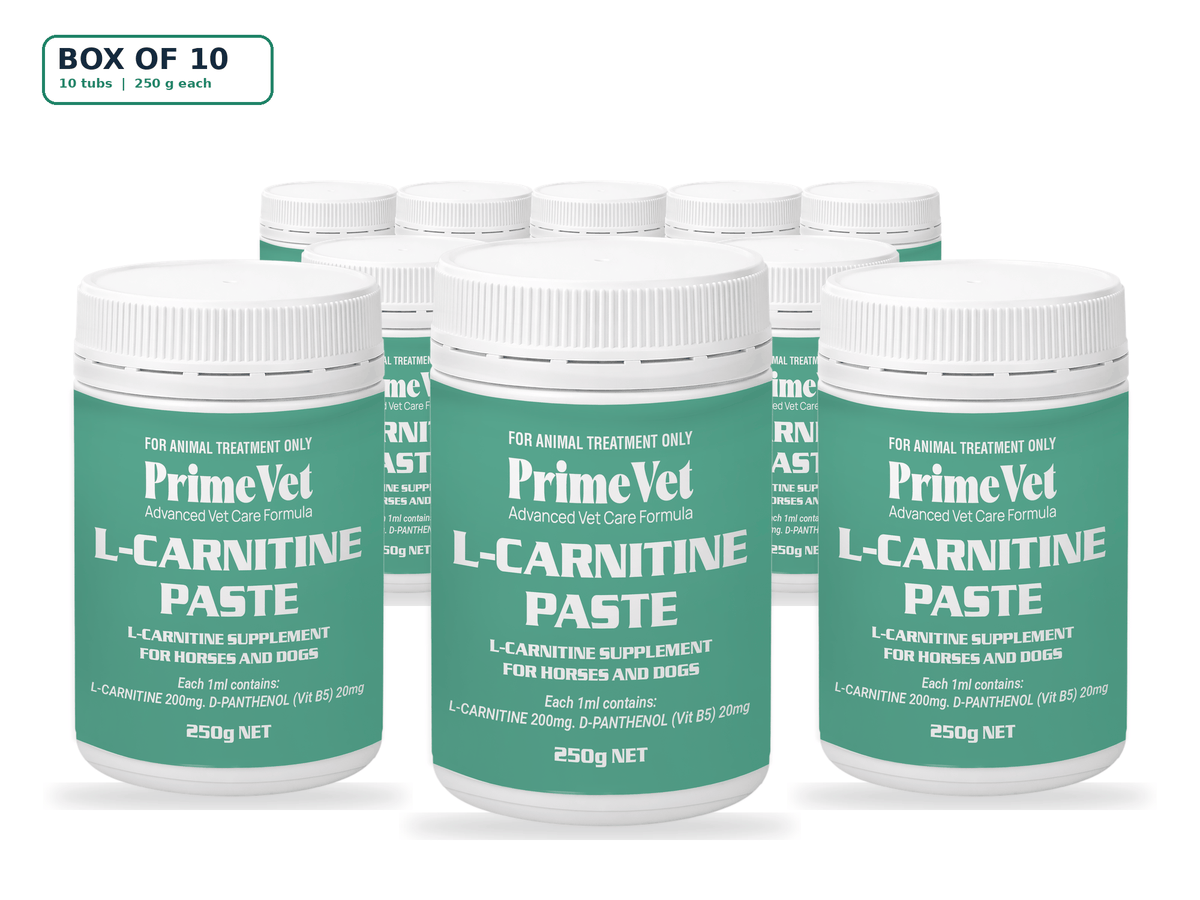
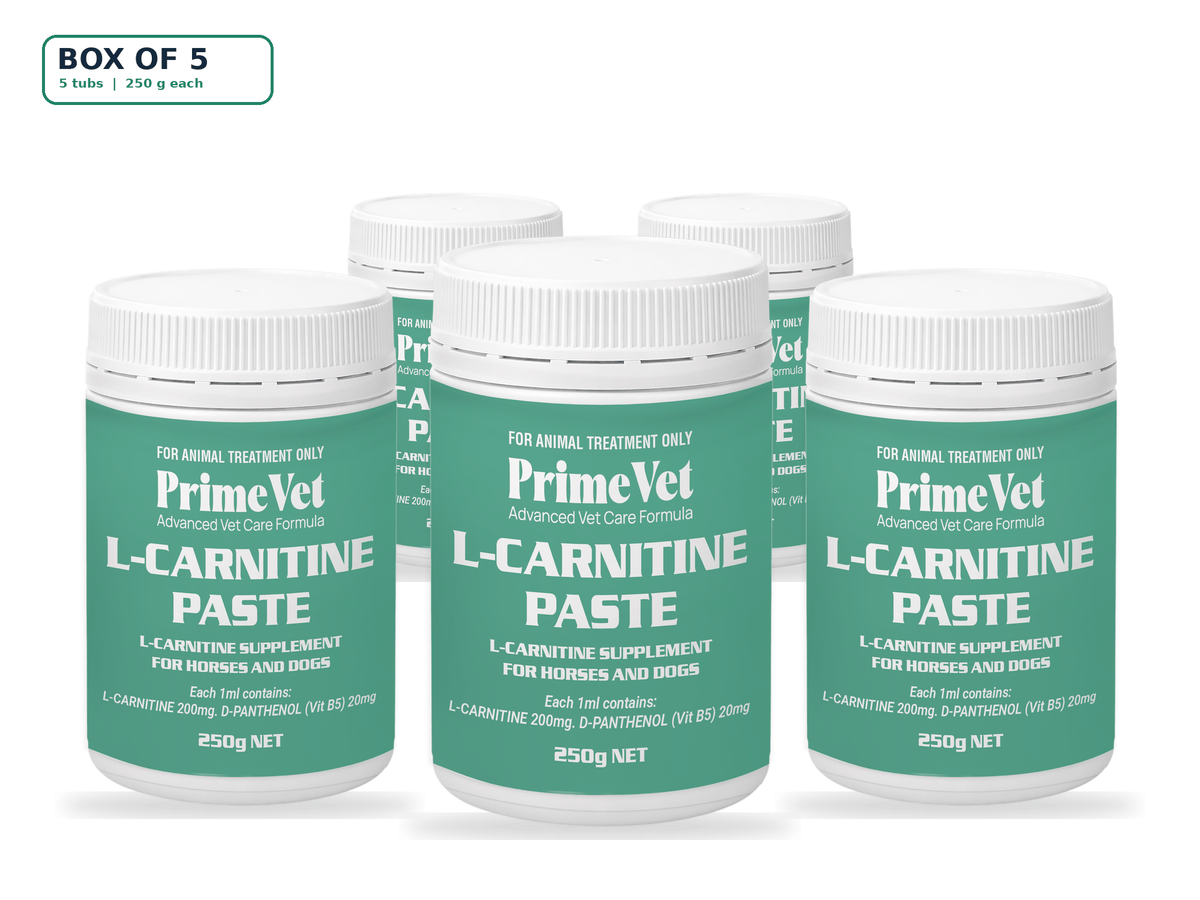
PrimeVet L-Carnitine Paste for Horses and Dogs provides 200 mg of L-carnitine per millilitre, plus 20 mg of D-panthenol (vitamin B5) to support energy metabolism and healthy muscle function. The paste format makes administration straightforward on race days or during training blocks. Many trainers administer it 30-60 minutes before competition to support exercise performance and post-exercise recovery.
L-carnitine addresses a specific metabolic bottleneck: your greyhound's diet may contain adequate protein and calories, but without sufficient L-carnitine, that fuel cannot reach muscle cells efficiently.
Greyhound Recovery Supplements After Racing
Recovery begins the moment your greyhound crosses the finish line. The hours after a race are critical for minimising muscle damage, restoring electrolyte balance, and starting repair, requiring both immediate intervention and sustained support over following days.
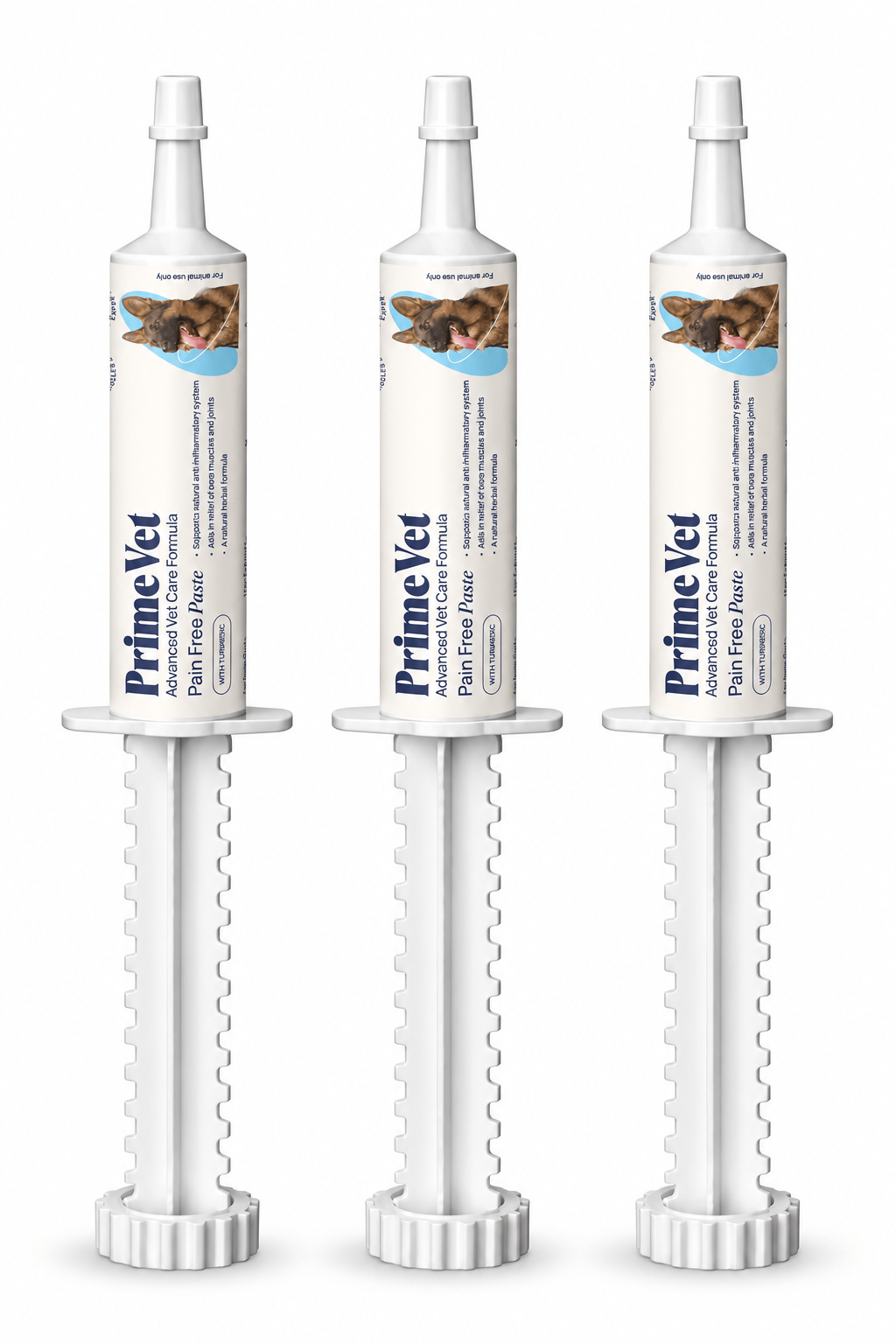
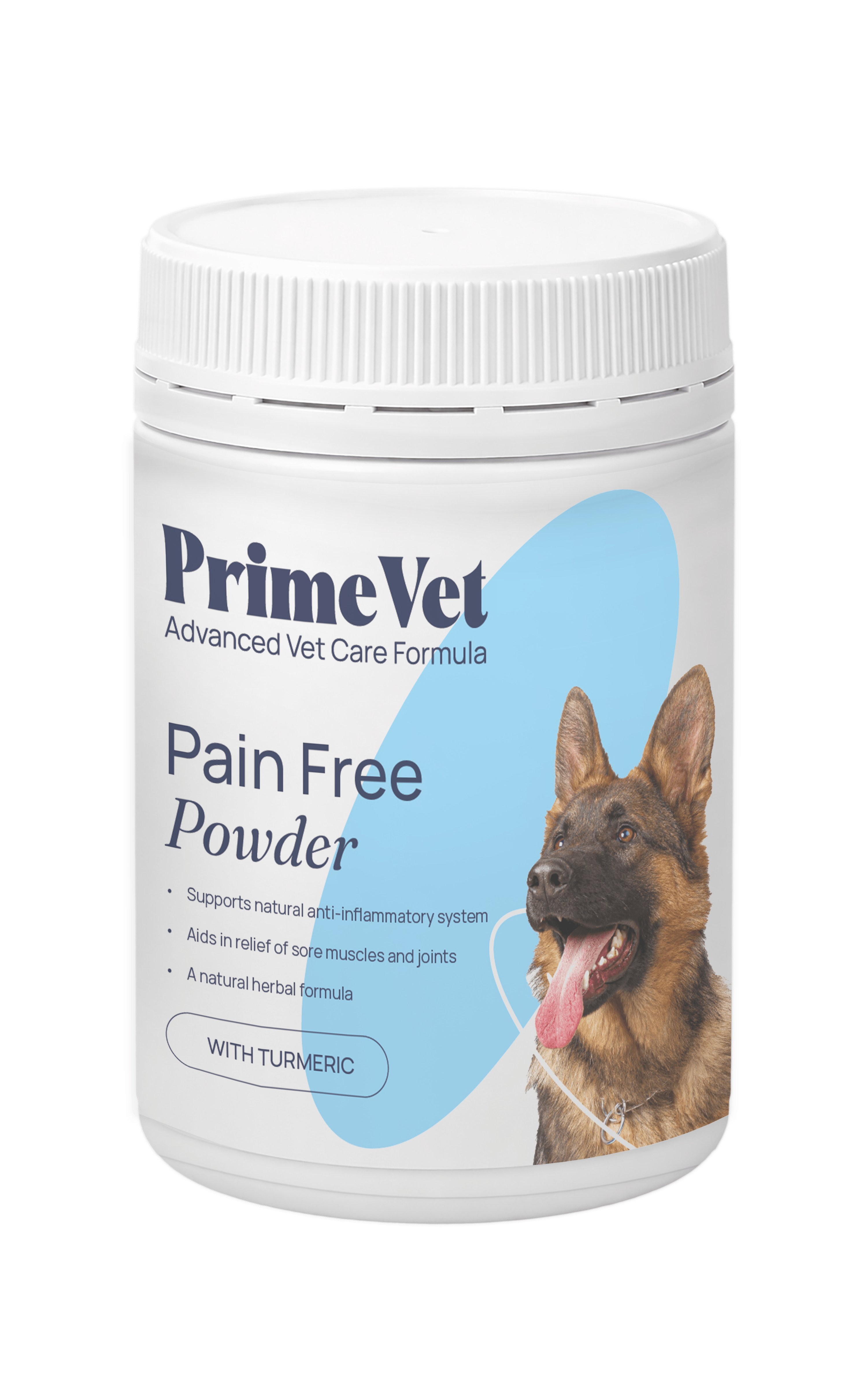
Natural herbal formulas containing turmeric, celery, skullcap, and passiflora support the body's anti-inflammatory processes. PrimeVet Pain Free Powder and Pain Free Paste both contain this botanical blend to relieve sore joints and muscles before or after activity. Post-race soreness is normal, but persistent inflammation can compromise the next training session or competition.
Many trainers use recovery supplements within 2-4 hours of racing, since the window for intervention is narrow. Consistent use across race and recovery days helps maintain comfort and mobility.
Racing Greyhound Nutrition and Micronutrient Gaps
Your racing greyhound's stable diet provides macronutrients but often falls short on micronutrients that intensive exercise depletes.
Electrolytes and hydration. Hard exercise drives losses of sodium, potassium, chloride, and magnesium. Potassium is critical for muscle contraction and nerve signalling; low levels can present as stiffness, poor recovery, or reduced drive.
Magnesium and muscle function. Magnesium supports muscle relaxation, energy transfer (ATP), and nerve conduction. Lost through sweat and used heavily during repeated sprint work, marginal deficiency can show up as muscle tightness, cramping, or slower recovery.
Calcium and phosphorus balance. This pair is most often mishandled.
Vitamin E and antioxidants. High-intensity exercise generates oxidative stress, free radicals that damage muscle membranes and slow repair. Vitamin E works with selenium and other antioxidants to neutralise this damage.
B-group vitamins. B1, B2, B6, B12, niacin, and pantothenic acid support energy metabolism and nervous system function.
Zinc and trace minerals. Zinc supports protein synthesis, immune function, and skin and coat health. Copper, selenium, and manganese are required in small amounts for antioxidant enzymes and connective tissue repair.
Commercial racing dog feeds are formulated for maintenance, not peak athletic performance, even premium feeds assume average activity levels.
Veterinary nutritionist guidance on performance animal supplementation
To audit your protocol, list every supplement, note each active ingredient per serve, and add them up against your dog's body weight. If two products overlap on the same nutrient, one is likely redundant. If nothing covers electrolytes and magnesium during heavy work, close that gap first.
Greyhound Joint Supplements for Long-Term Mobility
Racing places enormous stress on joints. Repeated high-speed acceleration, turning, and impact loading creates cumulative wear on cartilage, ligaments, and synovial fluid, joint stress that mimics years of normal activity in a single season.
Glucosamine, chondroitin sulphate, and MSM are the foundational joint-support ingredients. Glucosamine provides cartilage-repair building blocks, chondroitin helps cartilage retain water for shock absorption, and MSM supports collagen formation and reduces inflammation.
PrimeVet™ L-Carnitine Paste for Horses and Dogs 250g →
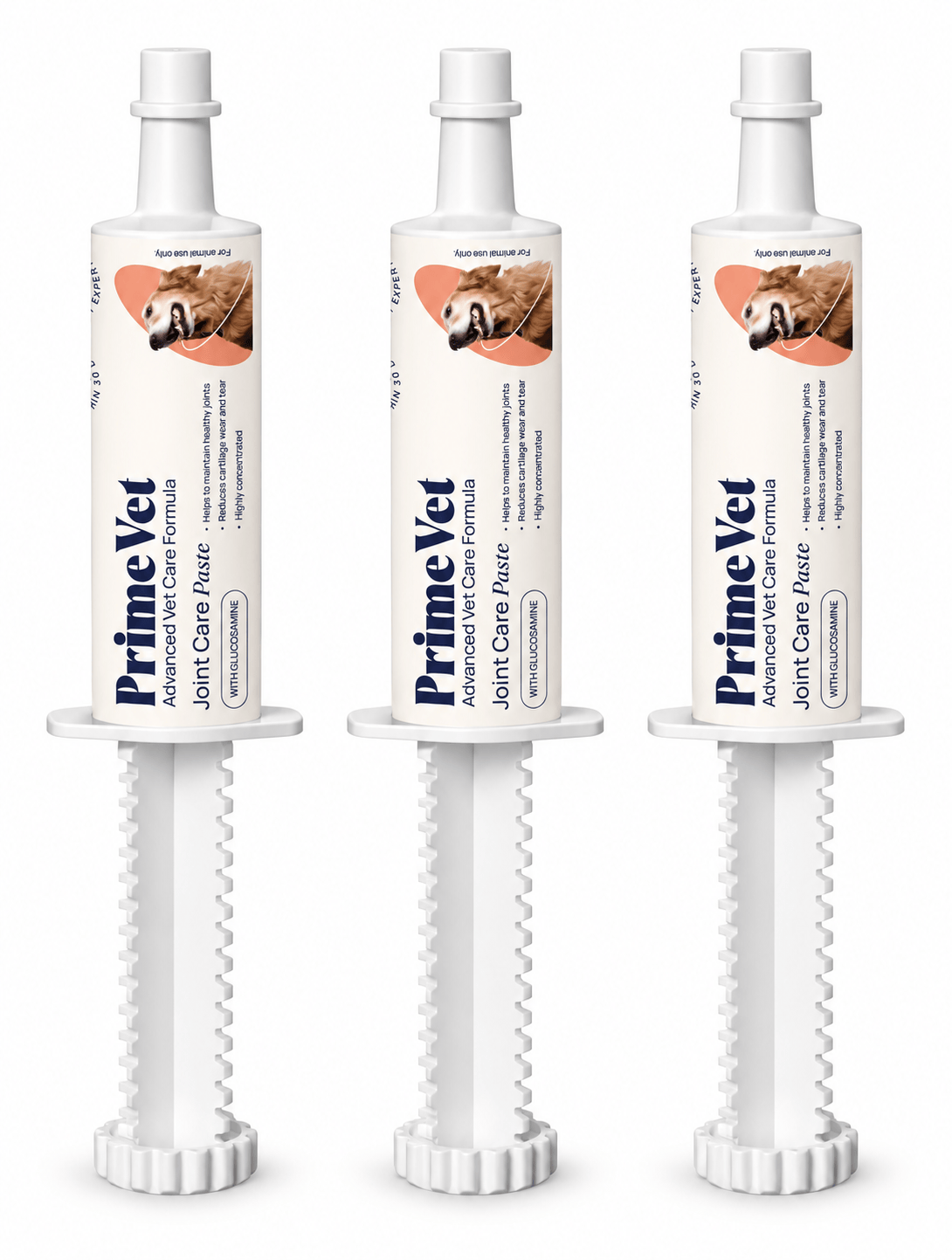
PrimeVet Joint Care Powder and Joint Care Paste both deliver these ingredients in high concentrations. The powder format ($79.95 for a 150g jar, a 30-day supply) suits dogs on consistent daily supplementation. The paste format ($59.95 per 60ml tube) works well for trainers who prefer concentrated dosing or need flexibility in administration timing.
Hyaluronic acid in both formulas lubricates joints and supports synovial fluid viscosity. Collagen and amino acids (L-arginine, L-citrulline, L-histidine, L-glycine) provide structural support and promote cartilage regeneration.
Canine joint health and supplement efficacy studies
Safe Supplements for Racing Dogs: Regulation and Quality
Not all animal supplements are created equal. Quality, purity, and consistency vary dramatically across manufacturers. When you're investing in your racing greyhound's performance and health, you need to know exactly what you're administering.
Farrell's and PrimeVet supplements are formulated by Professor David Evans (BVSc PhD, Adjunct Associate Professor at Charles Sturt University and Associate Professor at the Faculty of Veterinary Science, University of Sydney) and veterinary nutritionists. Products undergo rigorous development through research and clinical trials, and small-batch production prioritises quality over volume with each batch formulated to the same precise specifications.
The supplement industry in Australia is regulated, but standards vary. Look for products that:
- Clearly list all active ingredients with concentrations (mg per serving)
- Come from manufacturers with veterinary oversight
- Maintain consistent batch-to-batch quality
Racing rules in most jurisdictions prohibit certain substances in competition. Some supplements contain ingredients that can trigger prohibited-substance tests. Before introducing any new supplement to your racing greyhound's routine, confirm it complies with your racing authority's rules. Farrell's and PrimeVet products are formulated to comply with standard racing regulations, but always verify with your local racing body.
Contamination risk is real in poorly managed manufacturing, heavy metals (arsenic, cobalt) and microbial contamination can occur without proper quality control. Our heritage brand, established in 1953, has built decades of reputation on safety and purity.
How to Select and Dose Supplements for Your Racing Greyhound
Selecting the right supplement starts with your greyhound's individual needs. A dog in peak racing condition has different requirements than one in recovery or transitioning into racing season, workload, age, health status, and current diet all influence decisions.
Step 1: Audit the base diet first. Before adding anything, confirm the diet is complete and balanced for the dog's life stage and workload.
Step 2: Match the supplement to the workload.
- Energy support (L-carnitine) suits racing greyhounds competing regularly or in intensive training blocks. Dogs racing once weekly benefit most from concentrated energy support around competition days.
- Joint support (glucosamine, chondroitin, MSM formulas) is appropriate for all racing greyhounds as preventive care, but becomes essential for dogs over 4 years old or those with any history of joint sensitivity.
- Recovery and comfort support (herbal formulas) is best used post-race or on heavy training days, not as a daily baseline.
- Electrolytes and magnesium are most useful during hot weather, long travel, and repeated sprint work.
Step 3: Dose by body weight and label, not by habit. PrimeVet formulas come with clear weight-based dosing guidelines. A racing greyhound typically weighs 25-35 kg, placing them in the mid-to-large dog range.
Step 4: Time it correctly.
- Start a new supplement 2-3 weeks before you need it to take effect, so you can assess tolerance and build nutrient reserves.
- Administer energy-support products 30-60 minutes before competition if the label supports it.
- Give recovery and comfort support within 2-4 hours of racing, when the inflammatory response is beginning.
- Keep joint support consistent daily, since cartilage support is cumulative rather than acute.
Step 5: Introduce one at a time. Start with a single supplement, monitor for 1-2 weeks, then add the next. This identifies tolerance issues and avoids attributing a problem to the wrong product.
Step 6: Check racing rules before you introduce anything. Racing authorities prohibit certain substances in competition, and some supplements can trigger prohibited-substance tests.
Step 7: Work with your veterinarian. A vet who knows racing greyhounds can flag contraindications, medication interactions, and conditions where supplementation is inappropriate, especially kidney, liver, or cardiac conditions, where some nutrients and electrolytes must be restricted rather than supplemented.
How to assess whether it is working. Judge outcomes on measurable indicators: hydration status (skin turgor, gum colour, thirst), recovery time between sessions, muscle condition and tone, coat and skin quality, and consistency across a season. A good race after starting a supplement does not prove causation, track changes over weeks, not days, and adjust one variable at a time.
Work with your veterinarian or racing trainer to align supplementation with your competition calendar.
Frequently Asked Questions
What supplements are suitable for racing greyhounds?
Racing greyhounds benefit from supplements that support energy metabolism, muscle function, and joint health. L-carnitine aids energy production during intense exercise, whilst glucosamine and chondroitin support joint cartilage and mobility. Herbal formulas containing turmeric help manage inflammation from training stress. The best choice depends on your dog's age, current diet, and training intensity. Consult your veterinarian to ensure any supplement complements your greyhound's existing nutrition plan and doesn't interact with other treatments.
How can I support a greyhound's recovery after racing?
Post-race recovery requires addressing muscle fatigue, joint stress, and energy depletion. L-carnitine paste supports muscle function and post-exercise recovery by enhancing energy metabolism. Joint care supplements with glucosamine and MSM help repair cartilage wear from impact. Natural herbal formulas containing turmeric and magnolia bark reduce inflammation and soreness in muscles and joints. Timing matters: administer recovery supplements within a few hours of racing, alongside adequate hydration and rest. A stable diet combined with targeted supplementation accelerates the body's natural repair processes.
Are vitamin and mineral supplements necessary for racing greyhounds?
A high-quality racing diet typically covers basic vitamin and mineral needs, but performance demands create gaps. Racing greyhounds lose electrolytes through sweat and exertion, and their muscles consume more B-group vitamins and antioxidants than sedentary dogs. Trace minerals like zinc and magnesium support muscle flexibility and function. Vitamin E acts as an antioxidant, protecting muscle cells from exercise-induced damage. Rather than broad multivitamins, targeted supplements addressing specific performance needs, such as L-carnitine for energy or glucosamine for joints, are more effective for racing athletes.
Should I consult a veterinarian before giving my greyhound supplements?
Yes. A veterinarian familiar with racing dogs can assess your greyhound's current diet, health status, and training demands to recommend appropriate supplements. Some dogs have underlying conditions or take medications that interact with certain ingredients. Vets also ensure dosing is correct for your dog's weight and age, and can monitor whether supplements are delivering real benefits over time. Your vet may recommend specific products formulated for performance animals or suggest adjustments to your feeding programme before adding supplements. This professional guidance ensures safety and effectiveness.



Leave a comment
All comments are moderated before being published.
This site is protected by hCaptcha and the hCaptcha Privacy Policy and Terms of Service apply.